
From Isolated Efforts to Connected Impact: International Collaboration and the Regenerative Future of the Food Industry Led by Cooperatives【Regenerative City Inspiration Talk Vol.5 — Part 2】
In Part 1, executives from ANCC-COOP shared the values and initiatives shaping Italy’s consumer cooperatives. The event’s moderator, Akie Iriyama, Professor at Waseda Business School, then examined the case of the Hokkaido-based cooperative Coop Sapporo, tracing how its management achieved a dramatic V-shaped recovery.
In Part 2, Mariko Murakami of Japan’s Ministry of Agriculture, Forestry and Fisheries outlined the current landscape of food policy and foodtech promotion. This was followed by Hirotaka Tanaka of UnlocX, who offered an overview of Japan’s evolving innovation ecosystem. The session then moved into a discussion that brought together perspectives from Japan and Italy. By identifying shared challenges such as aging populations and demographic decline, participants explored emerging insights into a future in which cooperatives could play a central role as a plural-sector actor in contemporary society.
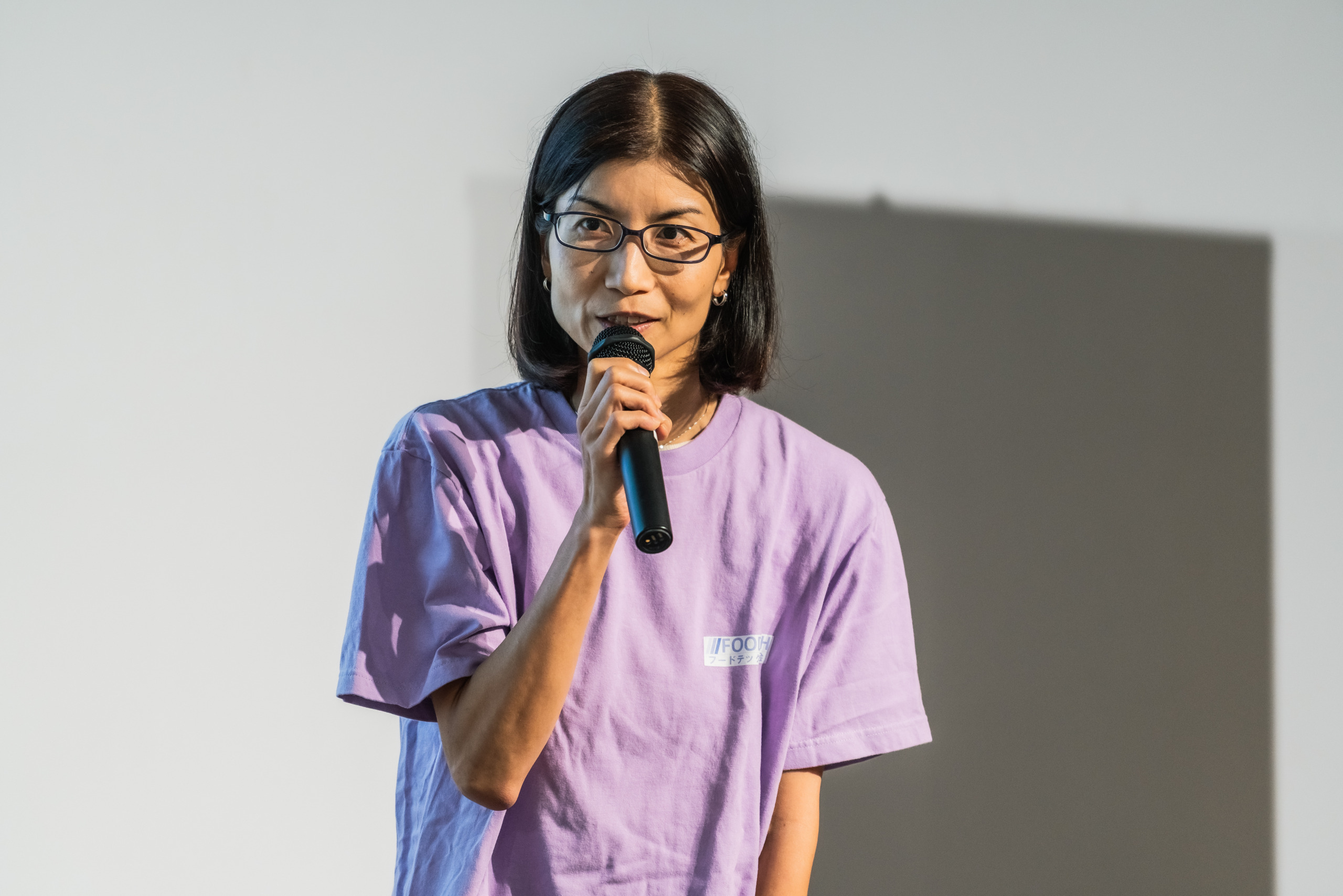
Mariko Murakami, who leads foodtech promotion at Japan’s Ministry of Agriculture, Forestry and Fisheries, next took the stage to present an overview of Japan’s food policy framework and current foodtech trends.
She explained that in 2024, policy discussions clearly positioned the creation of new businesses in the food industry and related sectors—through the use of advanced technologies—as essential to the industry’s long-term vitality. Building on this direction, the Food System Act was revised in June 2025, establishing a new framework for the sustainable supply of food. The revised legislation also underscored the importance of advancing price reforms with the understanding and support of consumers.
Murakami went on to describe the Foodtech Public–Private Council, launched by the ministry in 2020. The platform brings together not only food-industry companies, but also participants from other sectors, academia, startups, and even restaurant chefs, creating opportunities for cross-sector collaboration. Looking ahead, she expressed a strong intention to further broaden participation and invigorate these activities.
She also outlined three key drivers behind the ministry’s promotion of foodtech: addressing food security and environmental challenges; developing labor-saving technologies in response to a shrinking workforce; and creating new possibilities in food that contribute to human well-being. Among the remaining challenges, she noted that one of the most difficult is how to encourage everyday consumers to embrace new forms of food.
As concrete initiatives, the ministry hosts an annual Foodtech Business Contest and supports the overseas expansion of Japanese foodtech innovations. Murakami emphasized that Japan shares important similarities with Italy in this regard. “Japanese food is already highly refined and deeply valued,” she noted, “which can make the acceptance of new food concepts challenging. In that sense, I believe Japan and Italy face very similar issues, given how deeply rooted and sophisticated food culture is in both countries.”
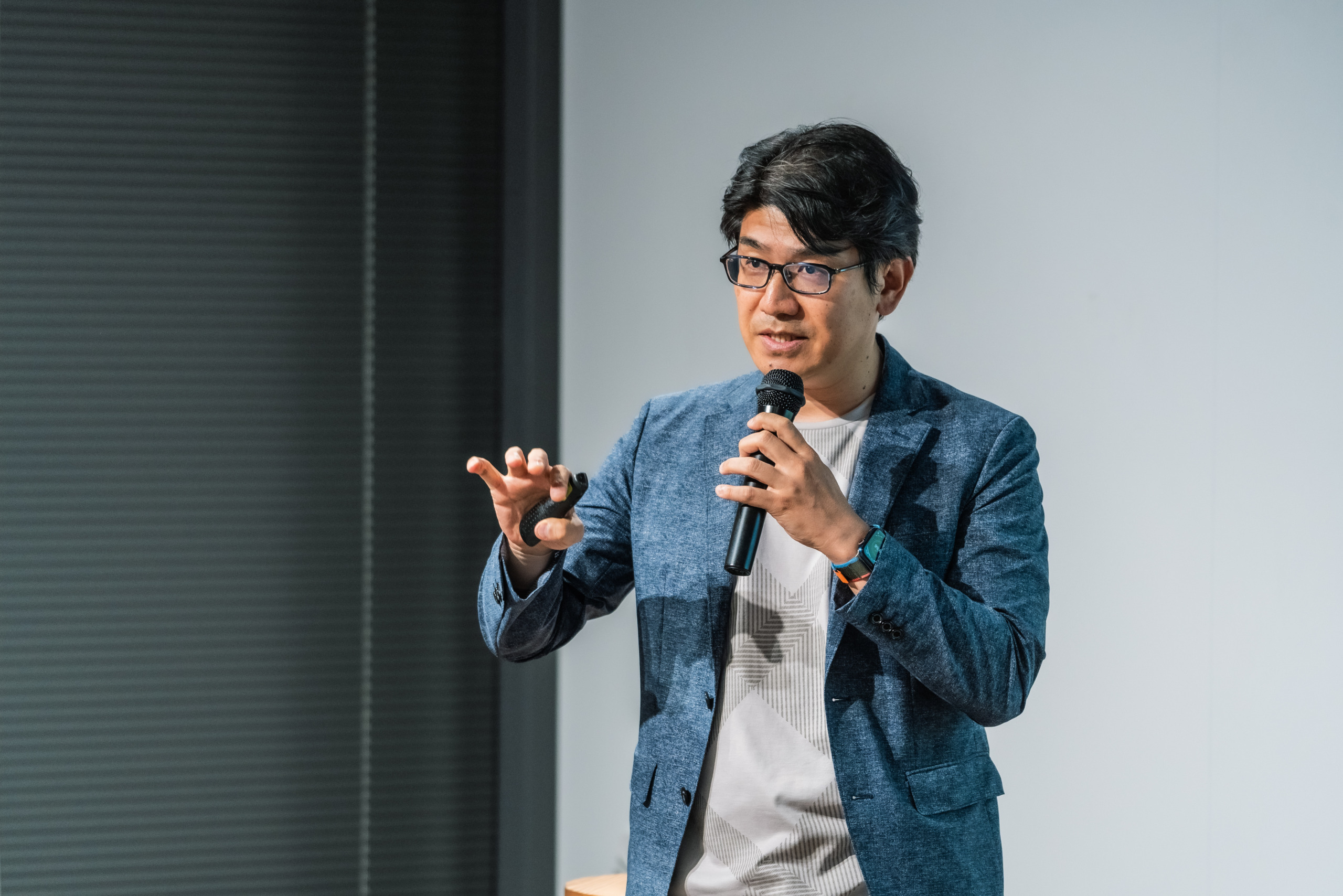
Meanwhile, Hirotaka Tanaka of UnlocX described his role as that of an “ecosystem builder” for food innovation, offering an overview of the current state of Japan’s food innovation ecosystem.
Since 2017, UnlocX has organized the large-scale conference Smart Kitchen Summit Japan (SKS JAPAN), which has become a key platform where changemakers and innovators gather to connect individual efforts and generate sustained momentum. Tanaka noted that clusters of a food innovation ecosystem are now gradually taking shape across Japan.
In Tokyo, a growing number of developer-led hubs have emerged, including Tokyo Tatemono’s Global Innovation Campus (GIC) and Mitsui Fudosan’s &mog Food Lab. Major financial institutions such as MUFG Bank, alongside venture capital firms, have also joined these efforts, leading to the establishment of the general incorporated association Next Prime Food. Through these initiatives, collaboration across industry, academia, government, and finance has steadily deepened.
These movements are not confined to Tokyo alone. Similar developments are spreading nationwide, including in Shikoku, Shizuoka, Tohoku, and the Higashi-Mikawa “Food Valley.” In May, the Hokkaido Food Innovation Summit brought together more than 300 innovators to discuss the future of food and agriculture and the actions needed to move forward.
Tanaka emphasized that while these initiatives are gaining momentum, they remain, for now, a constellation of individual points or loosely connected lines. He stressed the importance of strengthening each point while actively connecting them—by drawing on the support of strong organizations such as Coop Sapporo, leveraging government backing, and simultaneously generating new business models from within. Only through this process, he suggested, can these efforts evolve into a resilient and interconnected ecosystem.
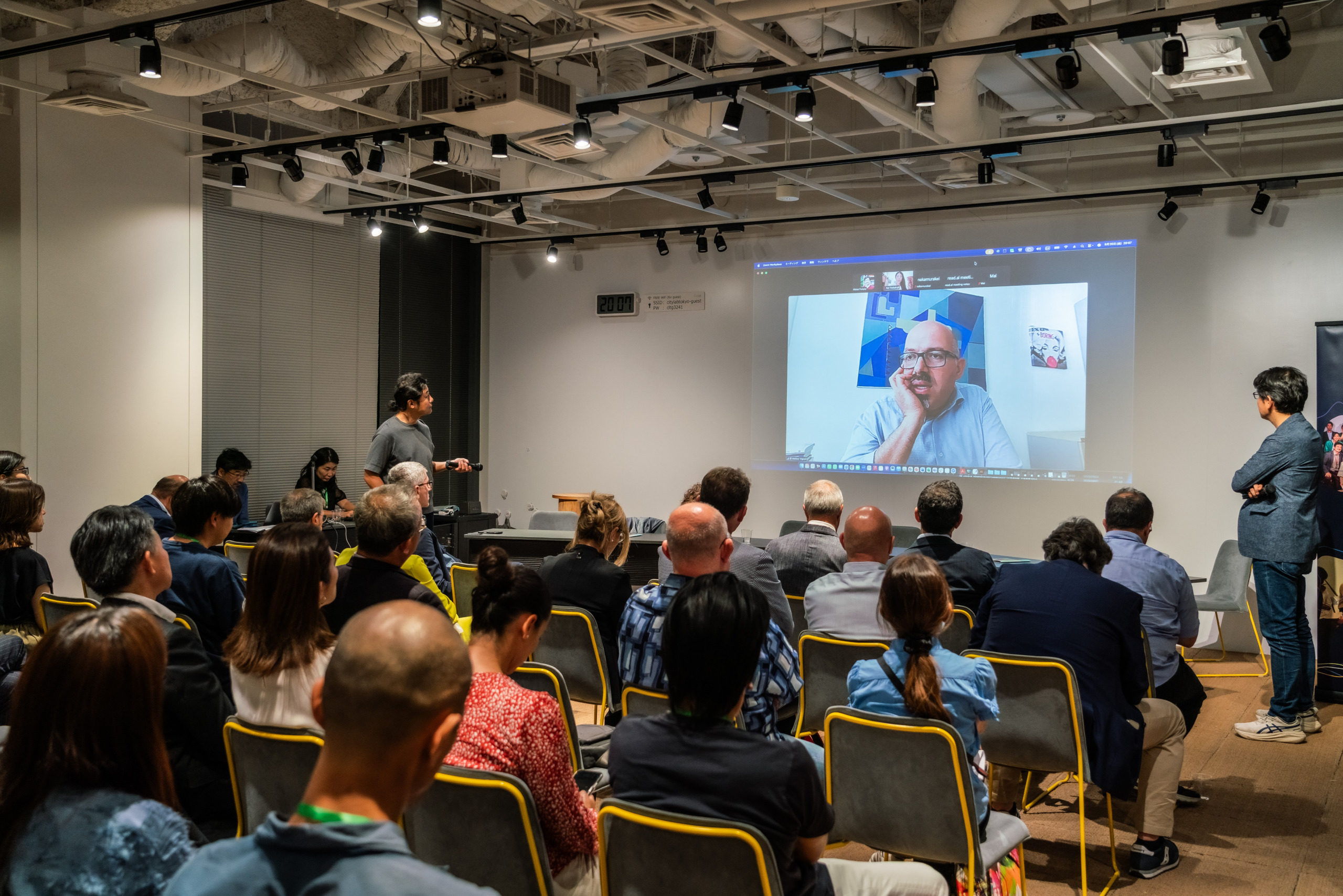
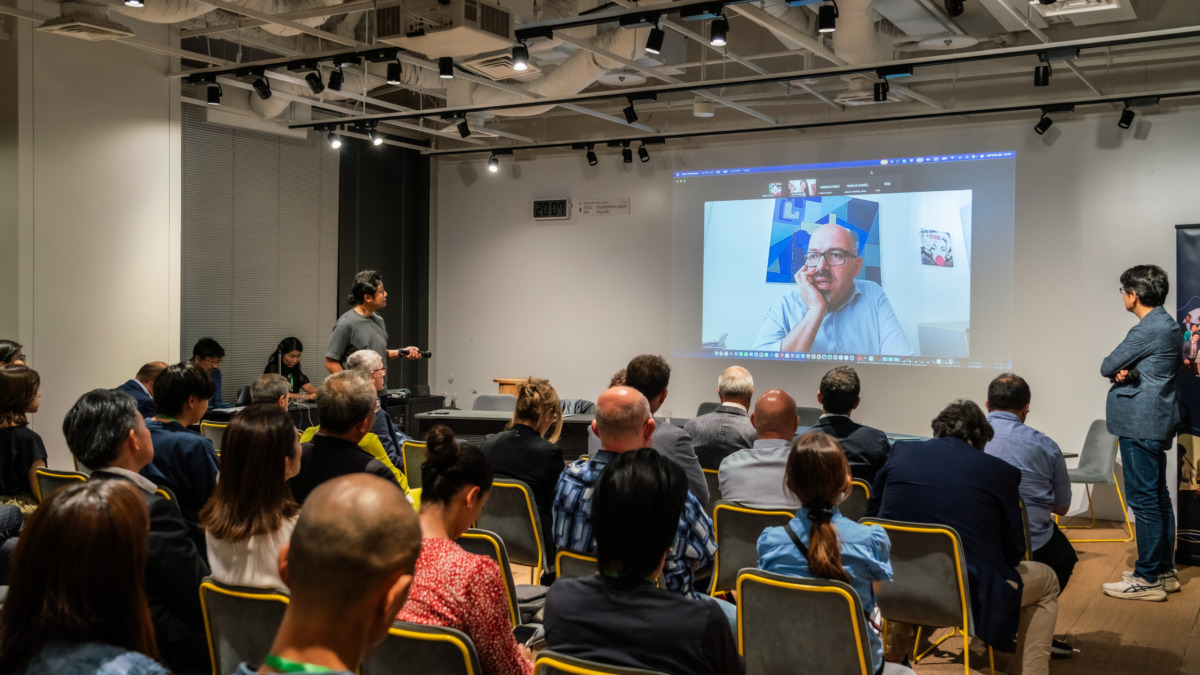
Following the presentations, the session shifted into an open discussion. When Akie Iriyama invited Professor Matteo Vignoli of Bologna Business School to join online as a special guest, Vignoli remarked that the event was particularly compelling for the opportunity it offered to engage with cooperative ecosystems in both Japan and Italy. Looking ahead, he outlined two key possibilities.
The first was international collaboration among cooperatives. Grounded in the shared value of food, he suggested that closer cooperation between cooperatives in both countries—together with producers and partners—could enhance product value not only domestically, but also internationally. The second was the broader potential of the cooperative business model itself. Vignoli emphasized that cooperatives are not only effective in times of crisis, but can also serve as a viable model for long-term prosperity. By bringing consumers closer to the origins of food, he argued, this model has the capacity to enrich the future.
Participants from Italy expanded on these ideas by reflecting on the two shared pillars of food and cooperatives. One speaker noted that food lies at the heart of Italian national identity, shaped by the deeply rooted belief that “we are what we eat.” For this reason, transforming food systems is inherently difficult. At the same time, participants acknowledged the dilemma of being called upon to pursue transformation from a sustainability perspective, and posed a provocative question: if one could invest even a single yen or a single euro, which technologies should be supported to reshape the proteins of the future?
In response, Hirotaka Tanaka argued that, given the scale of potential impact, priority should be placed on transforming existing agriculture through agritech. He added that new technologies capable of reducing humanity’s dependence on the planet are also essential, and noted that, over a ten-year horizon, fermentation technologies are of particular interest.

As the discussion clarified both the similarities and differences between Japanese and Italian cooperatives, Ernesto Dalle Rive, President of ANCC-COOP, posed a fundamental question: what is the essential role that cooperatives should play? Iriyama responded by noting that Coop Sapporo stands out even among Japan’s consumer cooperatives, and then articulated what he sees as their core mission.
“Japan, like Italy, is facing rapid aging, population decline, and increasing depopulation. Unfortunately, disparities between rich and poor are also widening,” he said. “At the very least, the role we at Coop Sapporo aim to fulfill is to help build a society in Hokkaido where people facing these challenges can still live happy and dignified lives.”
Iriyama also referred to a visit by the renowned management scholar Henry Mintzberg to Coop Sapporo in July 2025. Emphasizing Mintzberg’s concept of the plural sector—a third sector that bridges the private and governmental realms—he stated with conviction that consumer cooperatives are precisely the actors best suited to carry this plural sector forward.
In closing, Iriyama observed that a form of capitalism driven solely by the pursuit of profit is increasingly revealing its limitations. In this context, he suggested, the role cooperatives can play—both in Italy and in Japan—will be profoundly significant. With these reflections, the nearly two-hour exchange of insights between Japan and Italy came to an end.
Though geographically distant, Japan and Italy share core values rooted in food and cooperation. The social innovations emerging from these shared foundations offer important insights for building regenerative cities and communities. The dialogue that unfolded on this day remained with participants as a first step beyond sustainability, toward genuine regeneration.
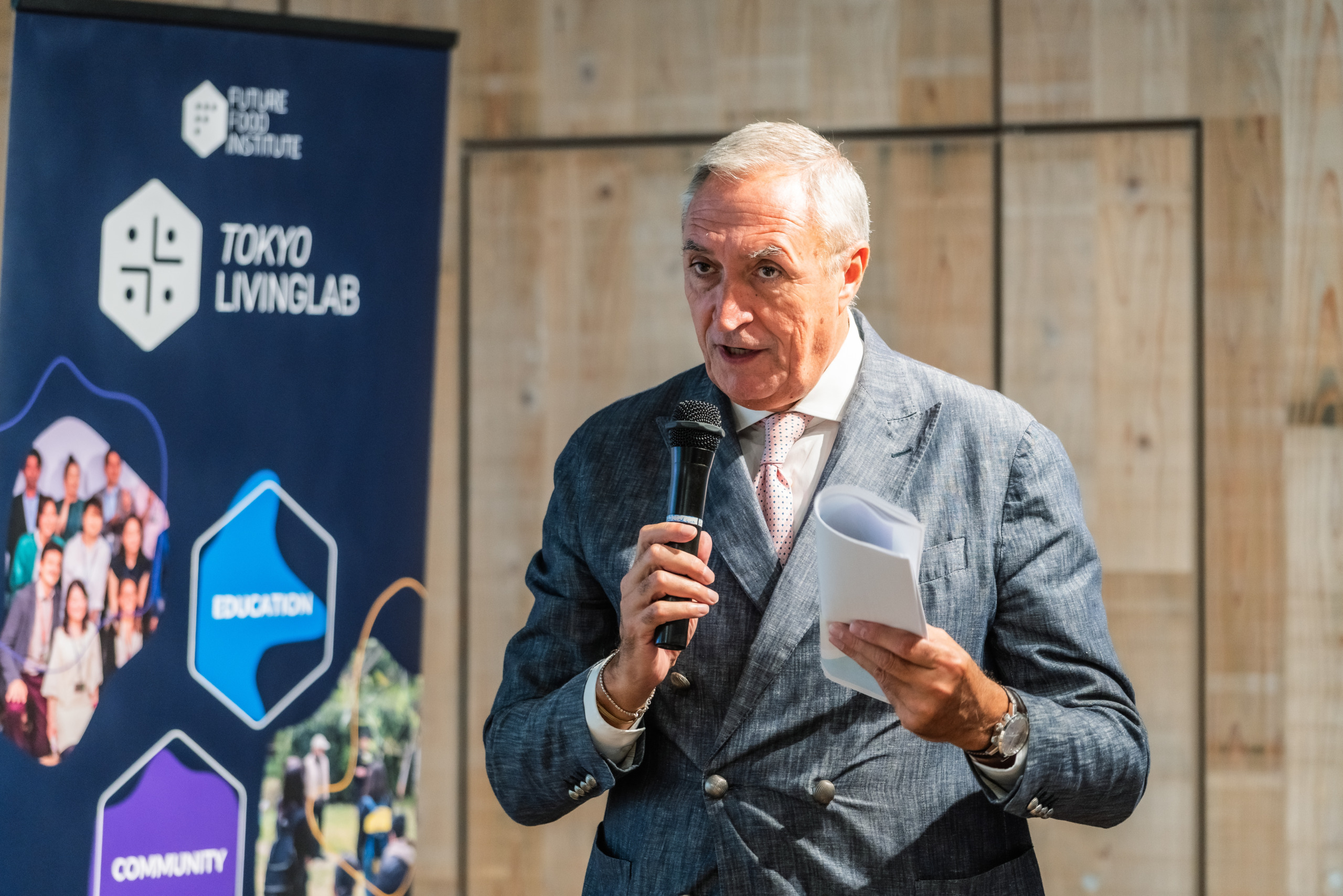
A leading figure in the cooperative movement, Ernesto Dalle Rive has been actively involved in consumer cooperatives since 1990. He has held executive positions at Federconsumatori Piemonte, Lega Coop Piemonte, and regional consumer cooperative associations, serving as president of both organizations.
Throughout his career, he has served on the boards of numerous organizations, including Finsoe, PROMO.GE.CO., Distribuzione Roma, Obiettivo Lavoro, Tangram, the Coop School of Moncalieri, and Coop Italia, where he also served as Chair of the Supervisory Board.
He is currently a board member of Coop Consorzio Nord-Ovest S.c. a r.l. and has served as President of Nova Coop Soc. Coop. since 2007 (holding the roles of CEO and General Manager from 2007 to 2022). Since 2019, he has also served as Vice Chair of Unipol Gruppo S.p.A. In October 2024, he assumed the role of President of ANCC-COOP Italia.
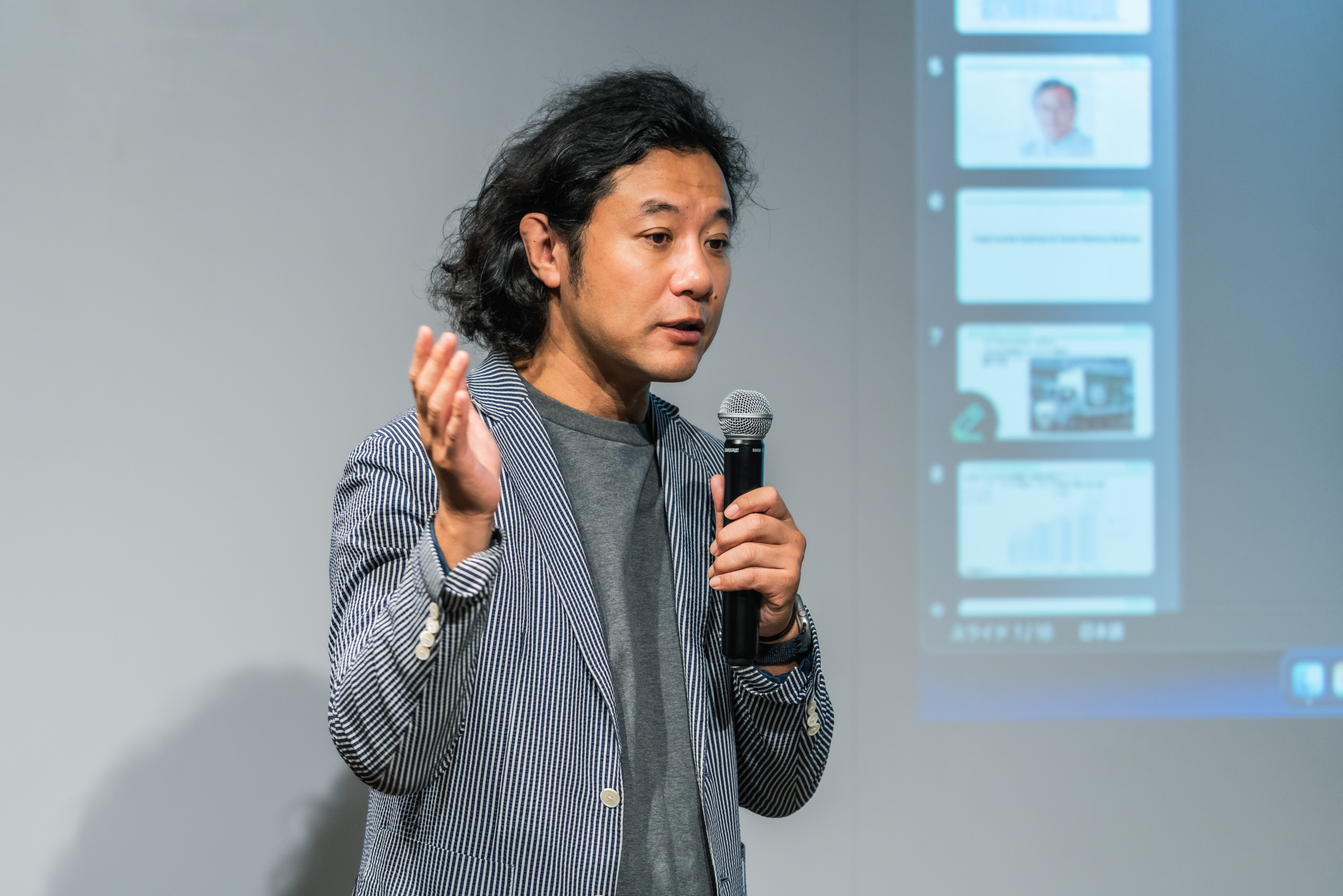
Akie Iriyama specializes in business strategy, innovation, and organizational theory. After graduating from Keio University, he worked at Mitsubishi Research Institute before earning a Ph.D. in Management from the University of Pittsburgh. He subsequently served as Assistant Professor at the Smeal College of Business, Pennsylvania State University, before assuming his current position at Waseda Business School.
With a core focus on bridging academic research and real-world practice through the exploration and application of knowledge, he is deeply engaged in corporate innovation and executive education. He is also an active public intellectual, contributing through television, newspapers, books, and lectures. His book Management Theory at Global Standards became a bestseller and has been highly acclaimed both in Japan and internationally.
Ministry of Agriculture, Forestry and Fisheries (MAFF), Japan
Mariko Murakami joined Japan’s Ministry of Agriculture, Forestry and Fisheries in 2005. She has worked extensively in livestock hygiene and food safety administration.
Since May 2023, she has been assigned to the New Business and Food Industry Department, where she supports the creation of new food-related businesses in Japan and serves as part of the secretariat for the Public–Private Foodtech Council. She is originally from Hiroshima Prefecture and is a graduate of the Faculty of Veterinary Medicine at Hokkaido University.
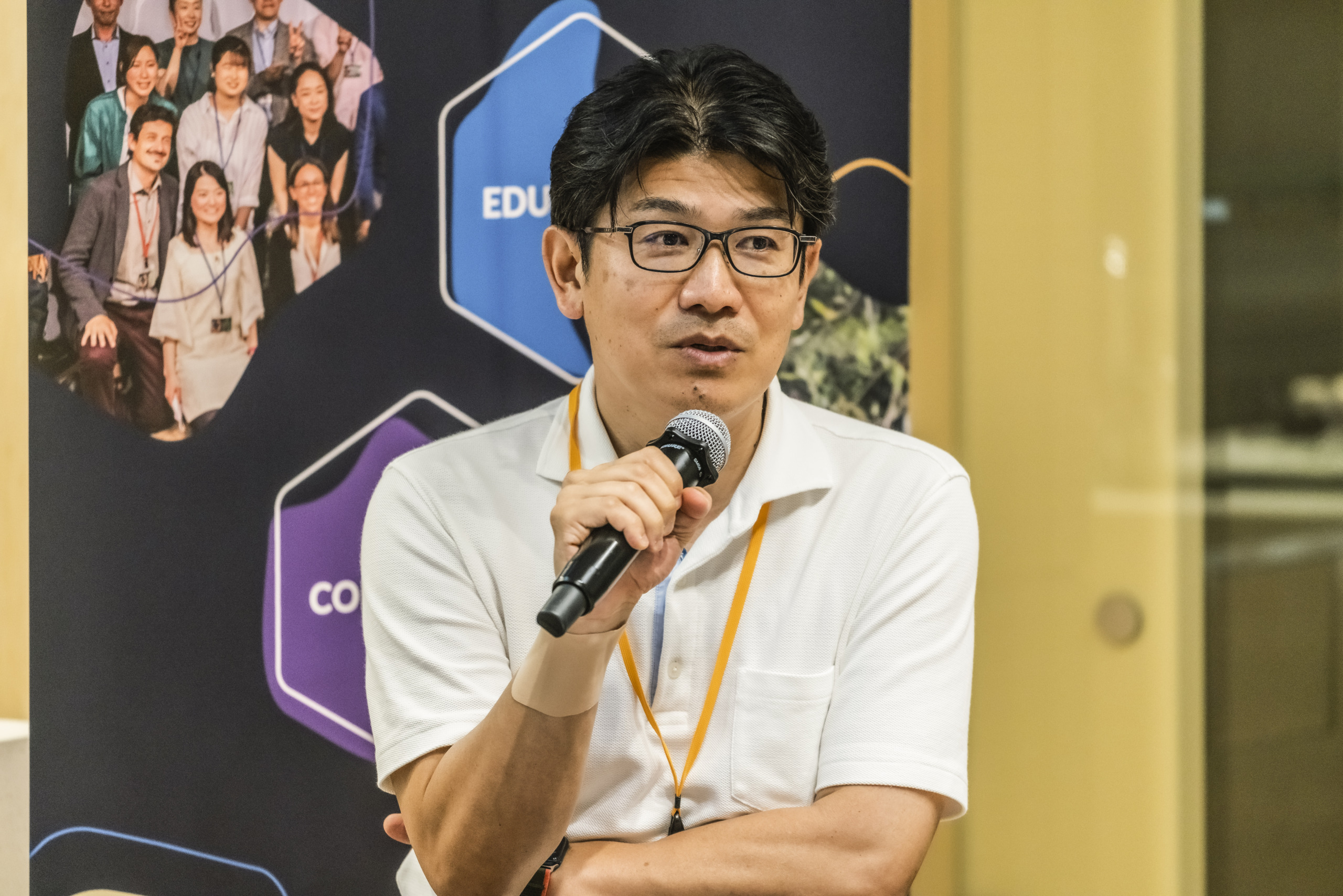
After beginning his career at Panasonic, Hirotaka Tanaka spent eight years at McKinsey & Company, primarily serving clients in the high-tech and telecommunications sectors. His work focused on growth strategy development and execution, M&A, new business creation, and venture partnerships.
In 2017, he joined Sigmaxyz, where he launched SKS JAPAN, a global foodtech summit. Through his involvement in business development support and community building within the food sector, he founded UnlocX in October 2023 with the aim of creating a robust food ecosystem in Japan.
He is the co-author of The Foodtech Revolution (Nikkei BP, 2020) and The Future of Food Transformed by Foodtech (PHP Shinsho, 2024). His additional roles include Director of SPACE FOODSPHERE (General Incorporated Association), Outside Director of Base Food Inc., Outside Director of TechMagic Inc., and Representative Director of Next Prime Food (General Incorporated Association).