
A Place for “Plant Editors” to Gather: The Future of a 50-Year-Old Botanical Garden in Otaki, Chiba, and the Wisdom Rooted in Its Community【Inspiration Talk Vol. 11, Part 2】
In Part 1, we followed Naoto Uemura and his project team as they reimagined the Otaki Useful Plant Garden, tracing both the philosophy behind the rebranding and how that vision was put into practice. The team broadened the idea of herbs into the more inclusive concept of “useful plants,” while carefully weaving the character of the land into the garden’s new identity—from the culture shaped by Japan’s evergreen broadleaf forests to bamboo grown locally in Otaki. At the same time, they faced the concerns of longtime visitors who had supported the garden for nearly 50 years, responding to them with care while remaining determined to define a new direction for their own generation.
In Part 2, we explore the team’s vision for taking the garden beyond a conventional tourist destination and transforming it into a platform for “plant editors.” We also look at ideas discussed with participants for how the garden can continue to evolve while becoming even more deeply rooted in, and loved by, the local community.
Uemura sees the Otaki Useful Plant Garden as having the potential to become much more than a tourist attraction. He describes the diverse group of people involved in its renewal as “plant editors”—people who translate the appeal and value of plants into forms that resonate with contemporary life. His vision is to make the garden a platform where these “plant editors” can put their ideas into practice and thrive.
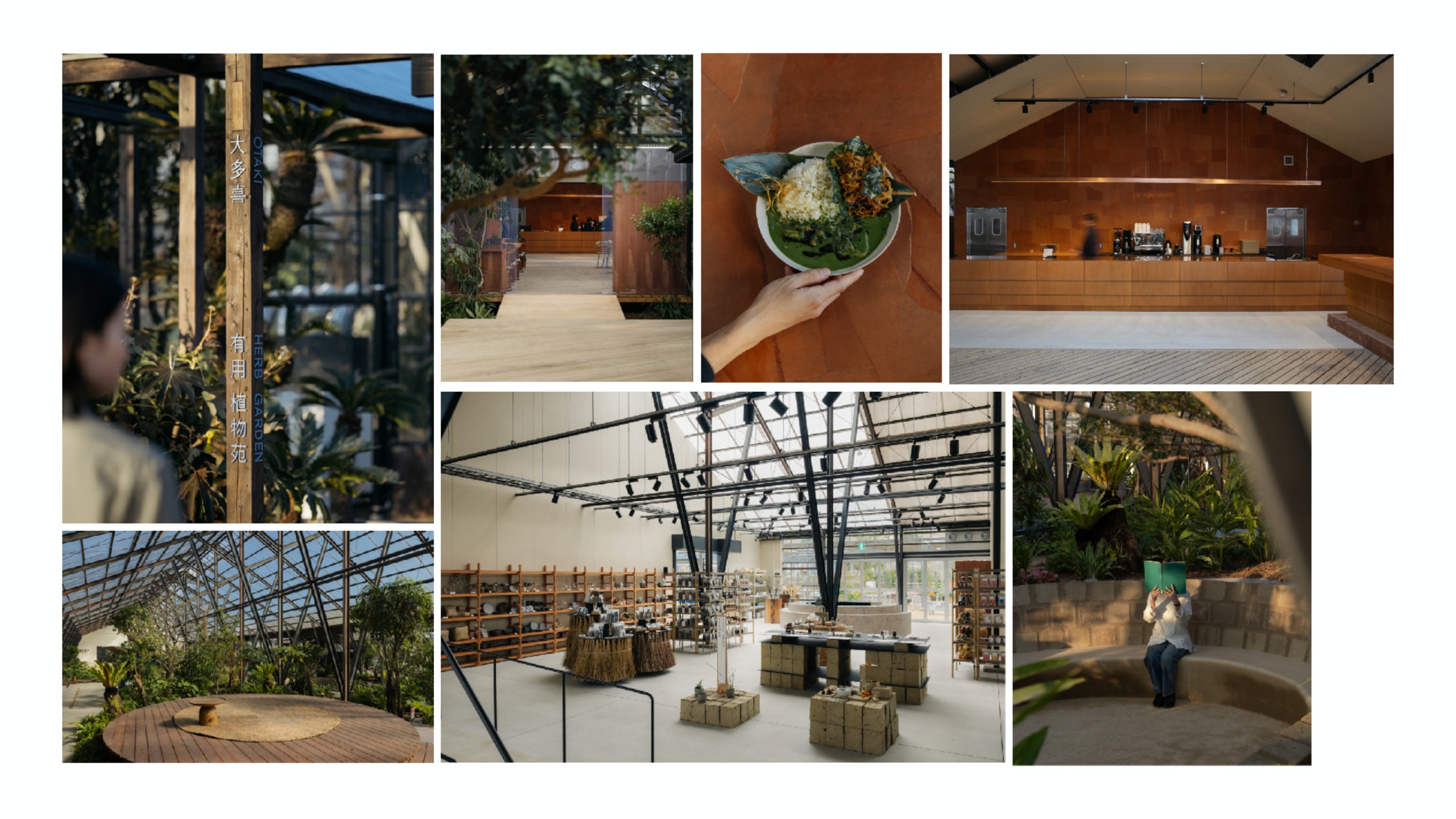
“Gardeners, of course, have this perspective, but chefs and bartenders do too. When you go into the mountains with them, they quickly spot plants that could be used in food or drinks. They have a remarkable ability to see the land and its resources in detail and understand how they might be put to use.
Rather than creating something entirely from scratch, the question is how to make the most of the plants and the context already present in a place, and how to weave those elements together. I want this garden to become a base for nurturing more creators who approach their work with this kind of editorial mindset.
Eventually, I hope it can become a place where diverse talents from around the world gather, almost like an artist-in-residence program, and generate new forms of value inspired by this land.” (Uemura)
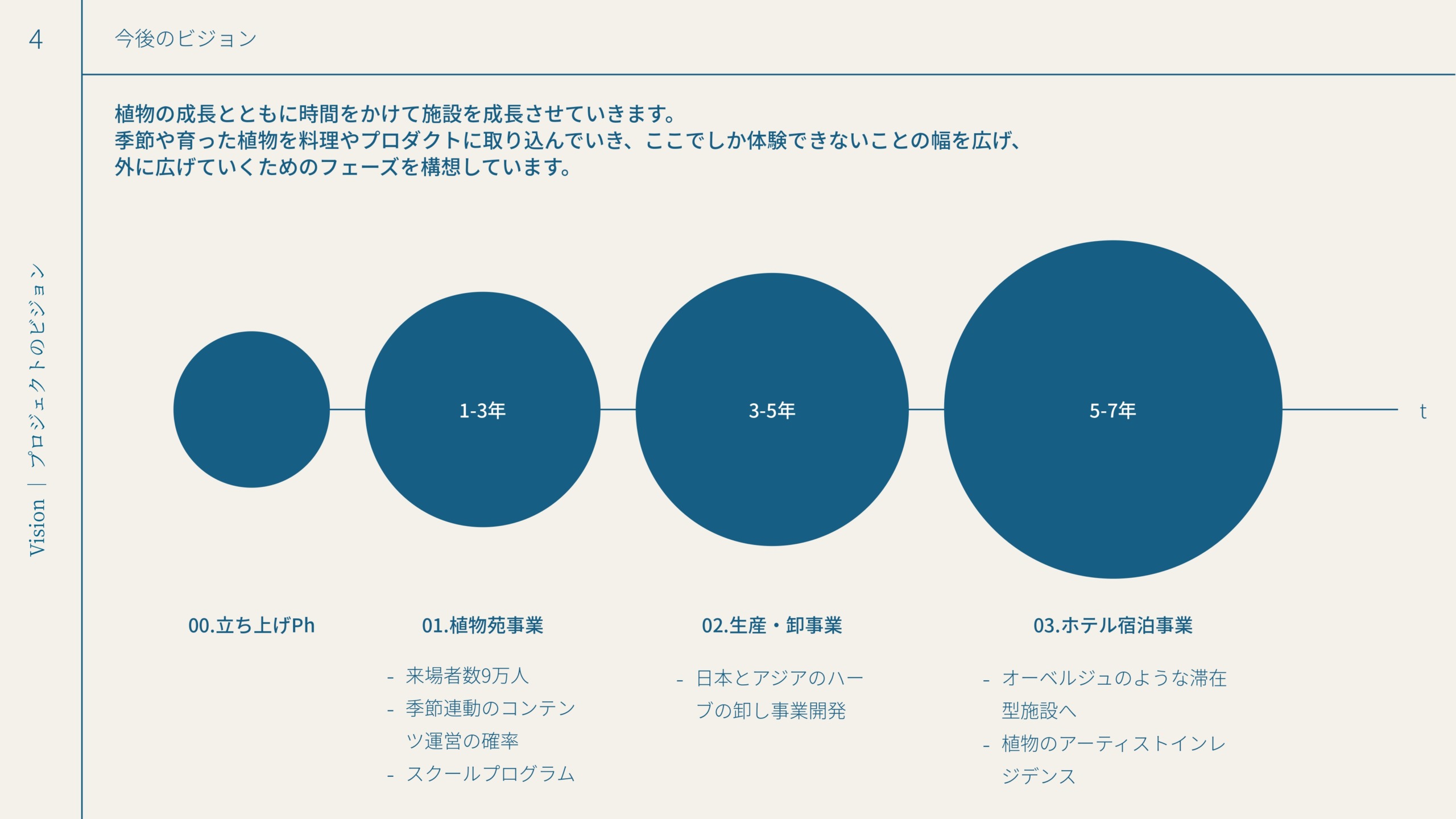
As a concrete roadmap for the Otaki Useful Plant Garden, the team aims to establish year-round programming connected to the changing seasons over the next three years, with a target of 90,000 visitors annually. In years three to five, they plan to expand into businesses such as the wholesale distribution of organically grown Asian herbs. By years five to seven, the goal is to evolve the garden into a destination retreat with accommodations and dining. Uemura continues:
“Rather than beginning with a grand vision of creating a new culture, we want to start by asking what we can do to make this place genuinely connected to people’s everyday lives. If we can build the strength and systems needed to keep doing that for five or ten years, I think that, before we know it, it will have become part of the culture.
I’d like to see the idea that ‘herbs are Western’ gradually shift, so that people naturally start saying, ‘We have herbs in Japan and across Asia too.’ From there, I hope we can create an everyday life in which useful plants from Japan and Asia are simply part of our kitchens, used as ordinary spices and herbs.
That is the kind of ‘cultural regeneration’ I want to achieve through this project.” (Uemura)
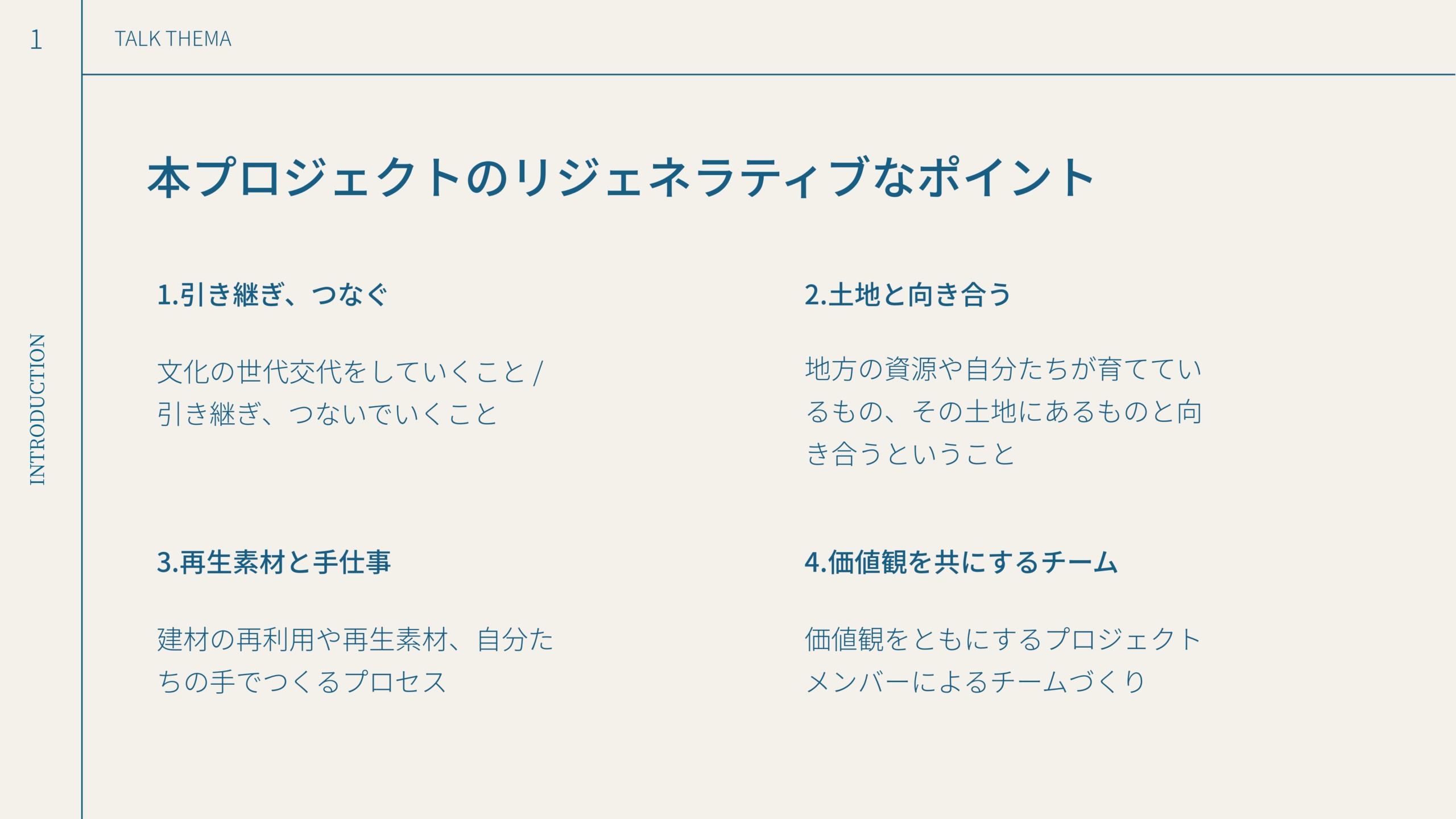
The second half of the talk session shifted into a workshop with participants. Uemura introduced two challenges the project is currently facing, and the group explored them together through discussion.
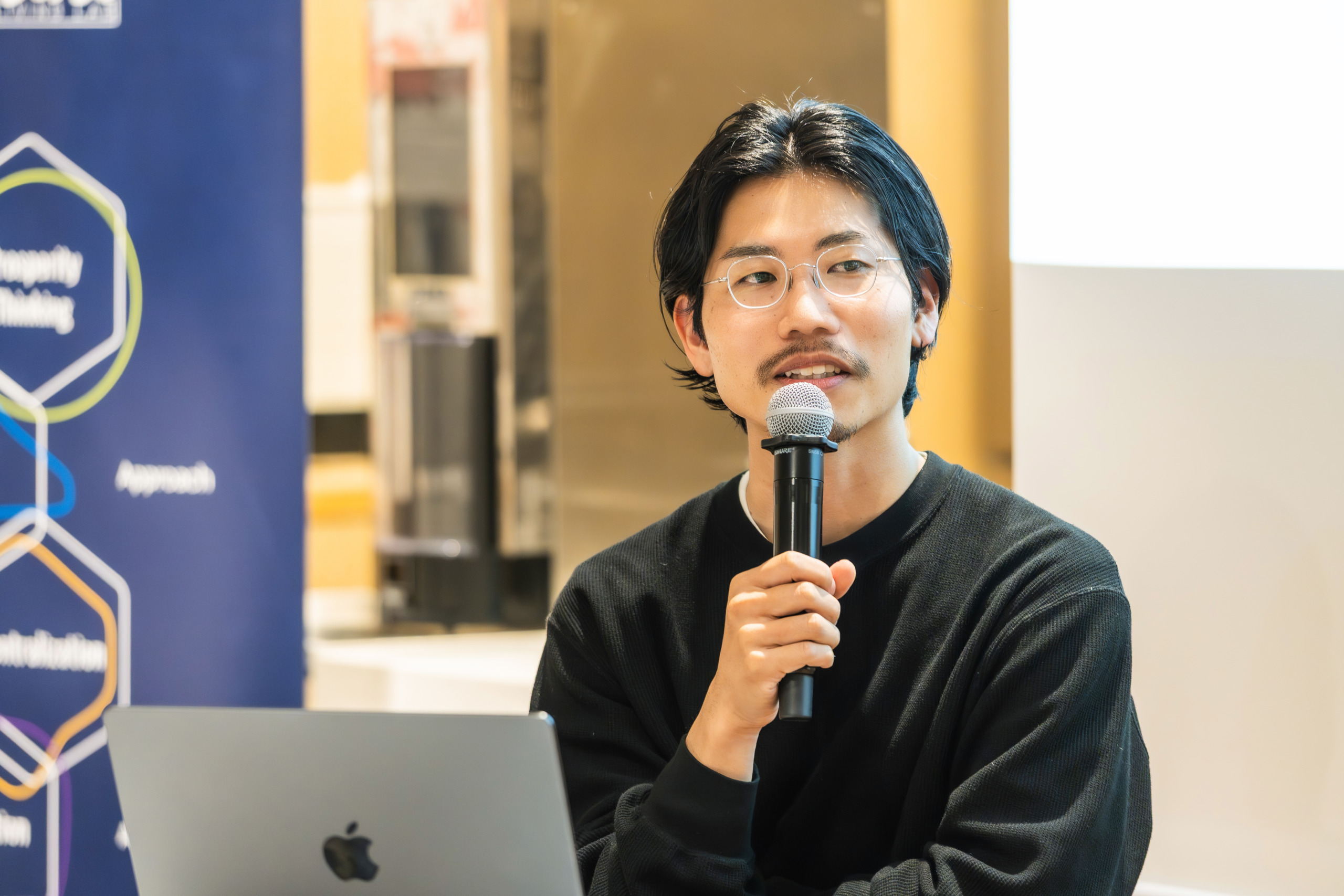
Uemura’s first concern was how to reconnect with longtime fans who had stopped visiting after the renewal, help them understand and embrace the garden’s new direction, and invite them to become partners in shaping the space together.
In discussing the reasons behind this reaction, participants suggested that devoted visitors from the days of the former Otaki Herb Garden may have felt a sense of loss—as though a place that had belonged to them was being taken away—following changes such as the broader redefinition of herbs and the introduction of an admission fee.
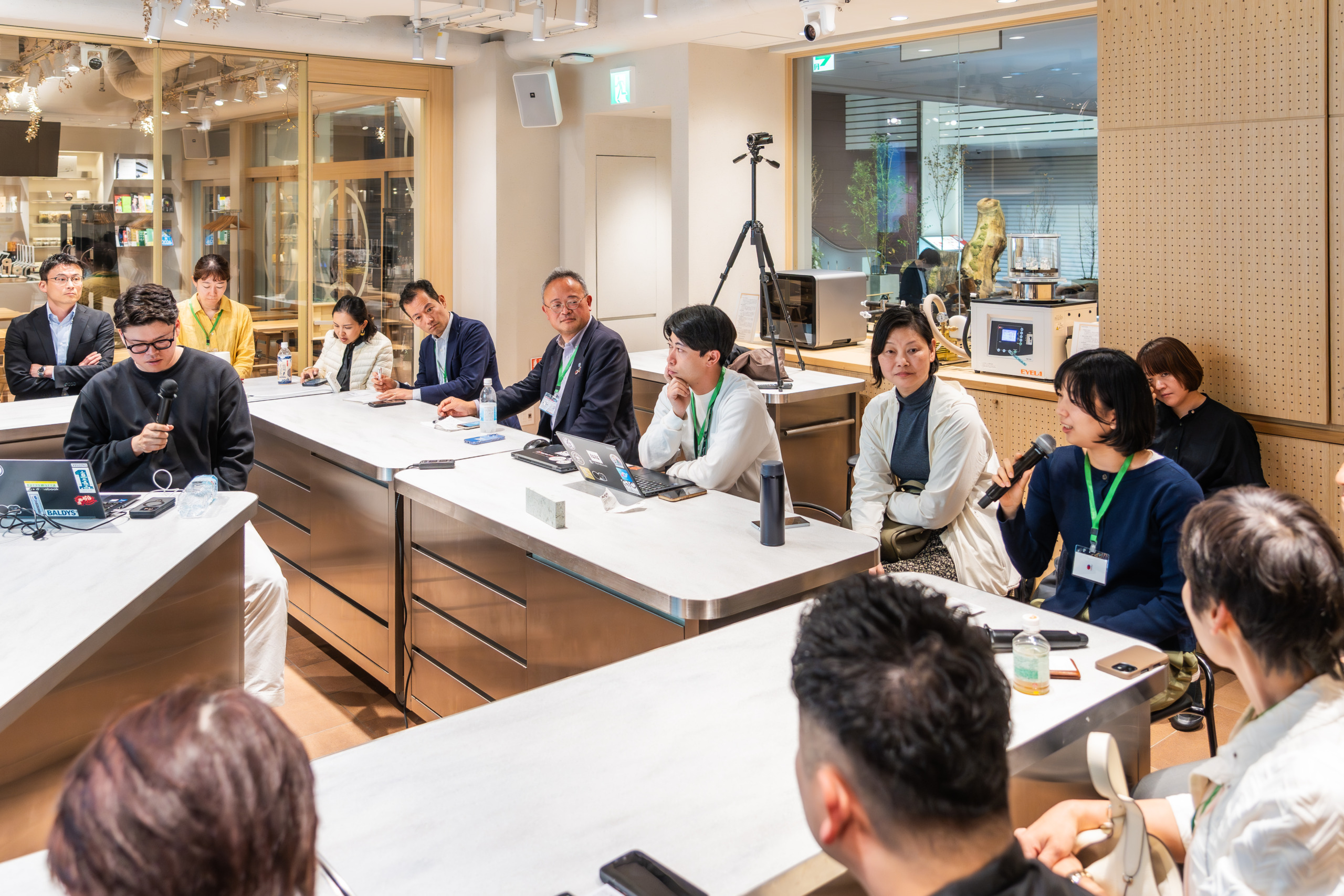
From there, participants began proposing a range of possible approaches. One participant, drawing on the example of an early-morning café in Hachinohe, Aomori, where local residents gather, suggested allowing local people to enter the Otaki Useful Plant Garden free of charge during the early morning hours. By creating a different time slot from those primarily visiting for the plants, the idea was to make it easier for local residents to build their own relationship with the space. Uemura nodded in strong agreement.
Another participant emphasized the importance of accountability around the admission fee. They suggested creating an impact report showing how much of the 900-yen admission fee goes toward things such as soil improvement and employing gardeners, helping visitors understand the fee as an investment in sustaining the garden. Uemura agreed, saying, “Perhaps we have a responsibility to organize and share the realities of how the garden operates with our fans and everyone involved.”
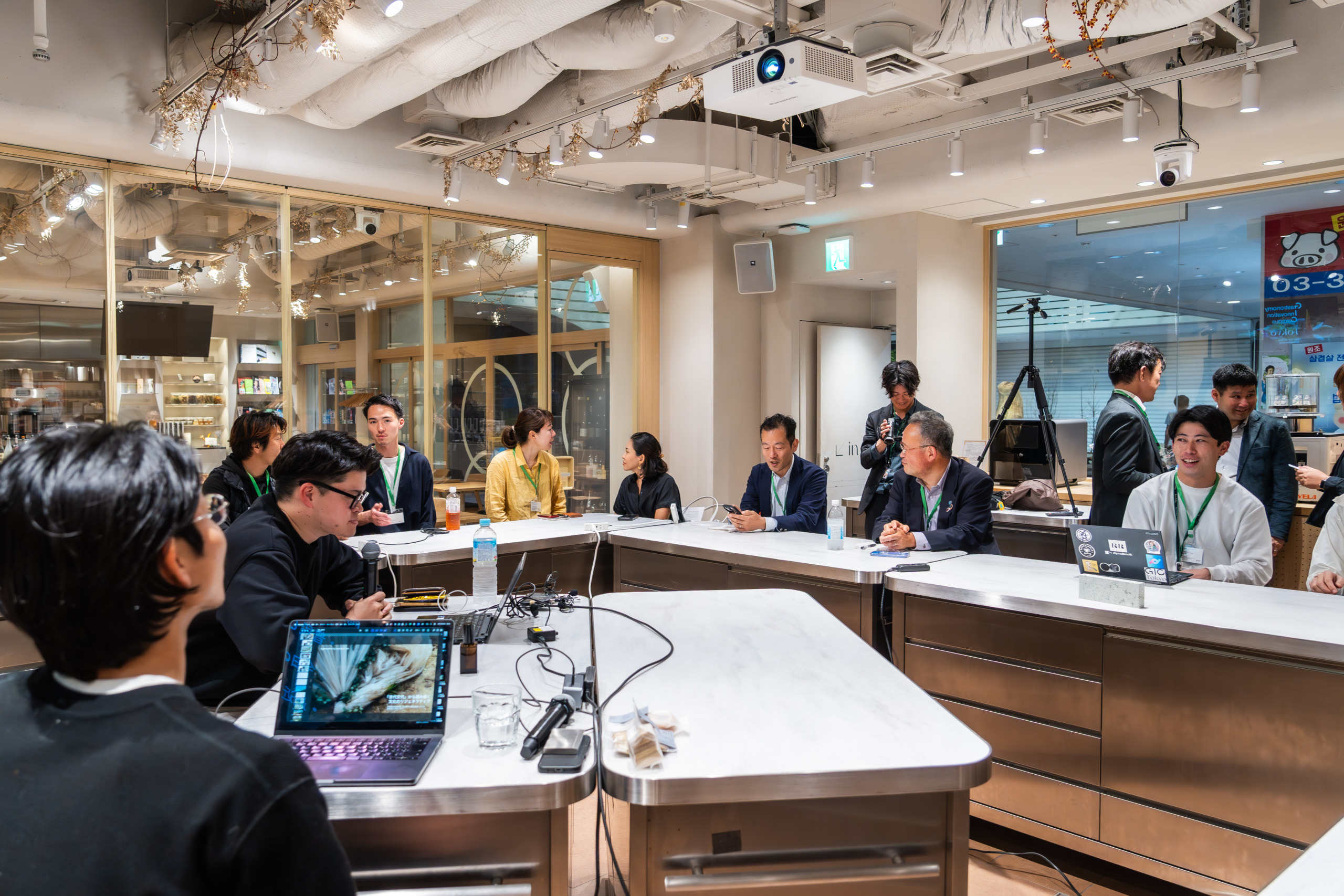
Uemura’s next question was how to create more opportunities for “plant editors”—people such as chefs, baristas, gardeners, and distillers who help translate the world of plants into everyday life.
In response, one participant brought up Absalon, a community space in Denmark where a former church has been transformed into a lively dining hall, as well as the idea of communal dinners, where many people gather around one table. Both create opportunities for people of different generations to cook and eat together. With plant editors involved, such spaces could also help people rediscover the value of ingredients grown by local farmers and explore, through food and conversation, how plants can become part of everyday culture. In that sense, the garden could grow into a kind of community hub.
Other ideas explored how the Otaki Useful Plant Garden itself could evolve. One was inspired by the Russian dacha, a country home with a garden, allowing city dwellers to build an ongoing relationship with the garden as a kind of “second garden.” Another imagined a theme park-like approach, where the work of gardeners, chefs, and other specialists becomes part of the experience itself—something visitors can watch, learn from, and enjoy.
The ideas kept coming, each suggesting a different way for “plant editors” to find a place and a role within the garden.
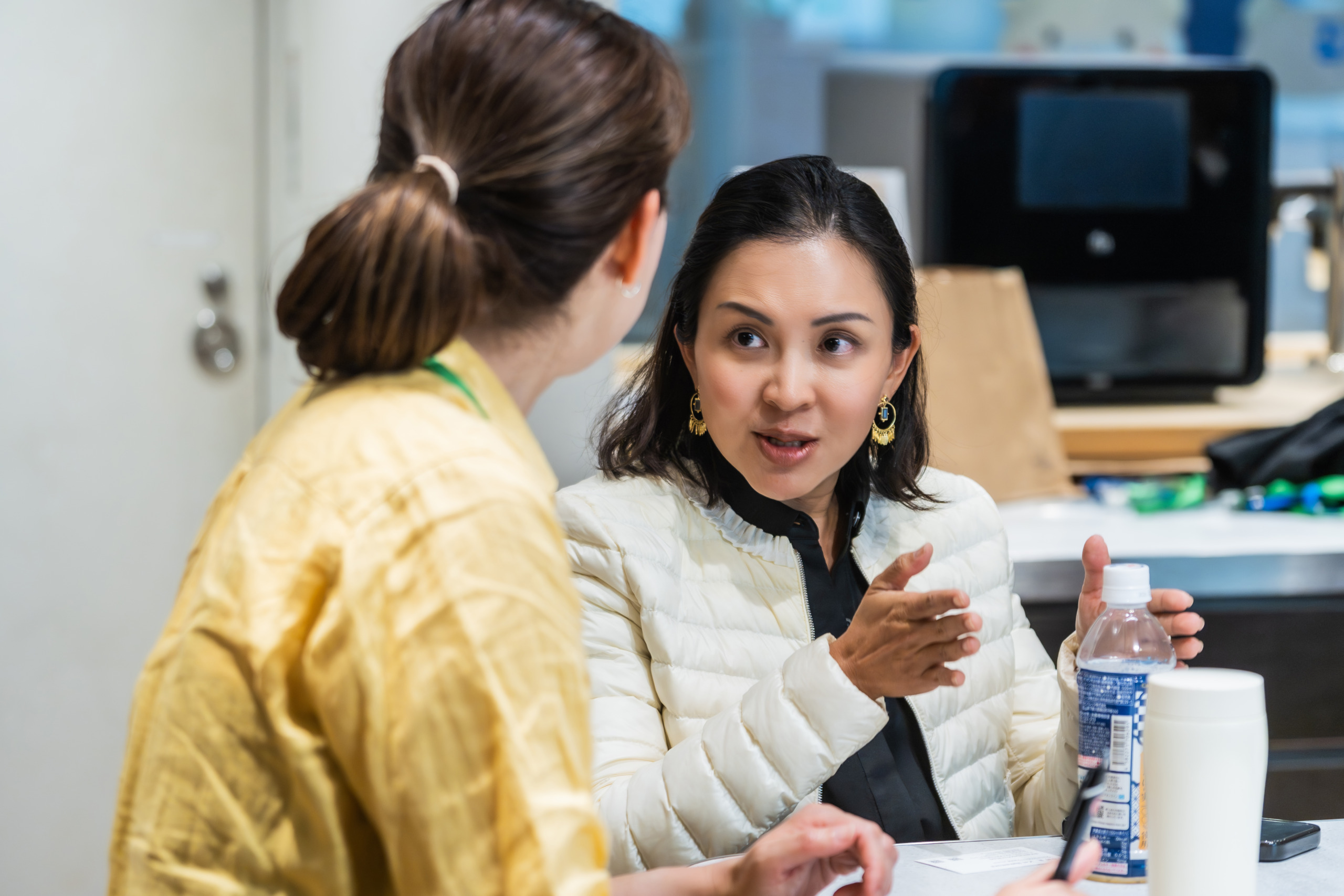
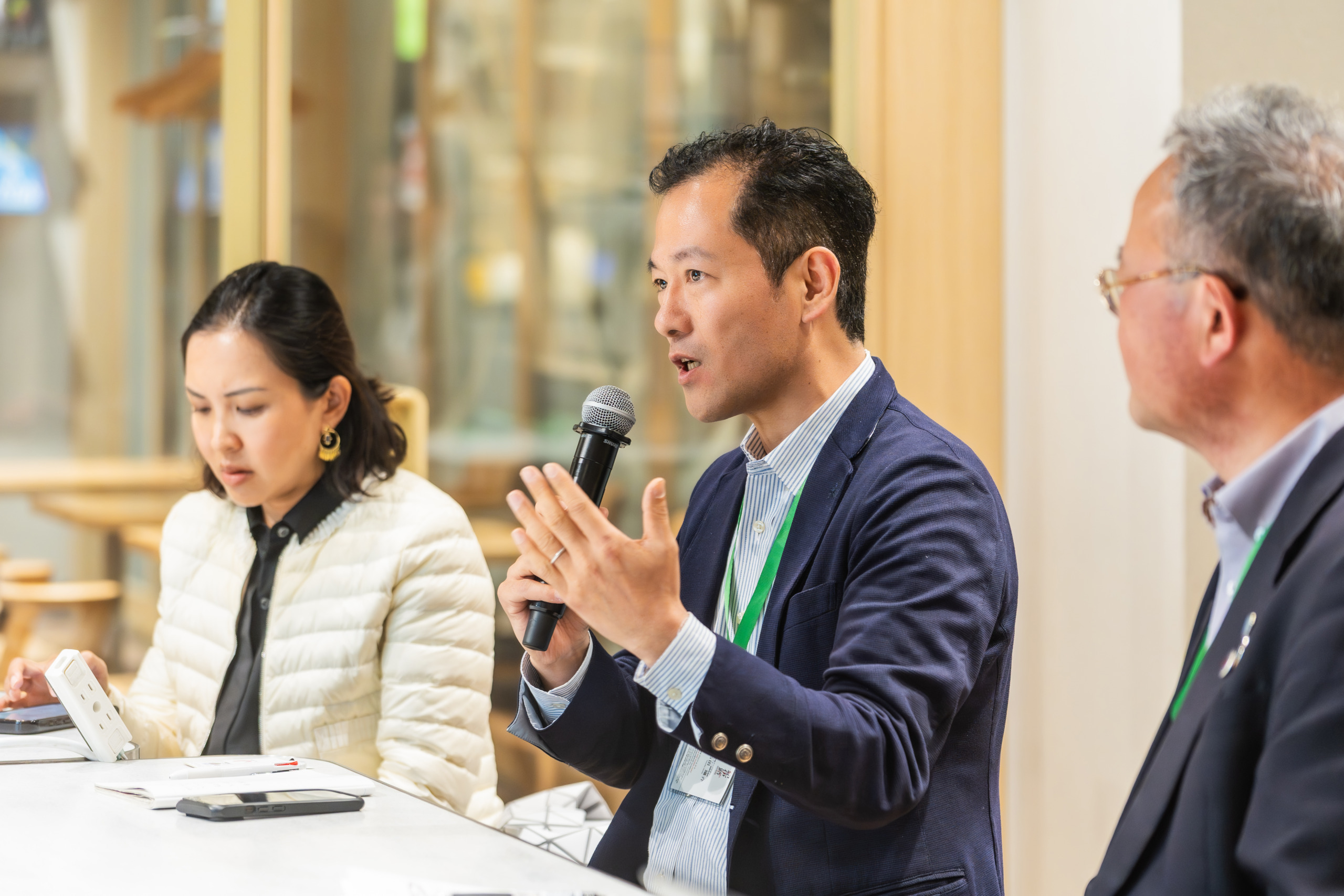
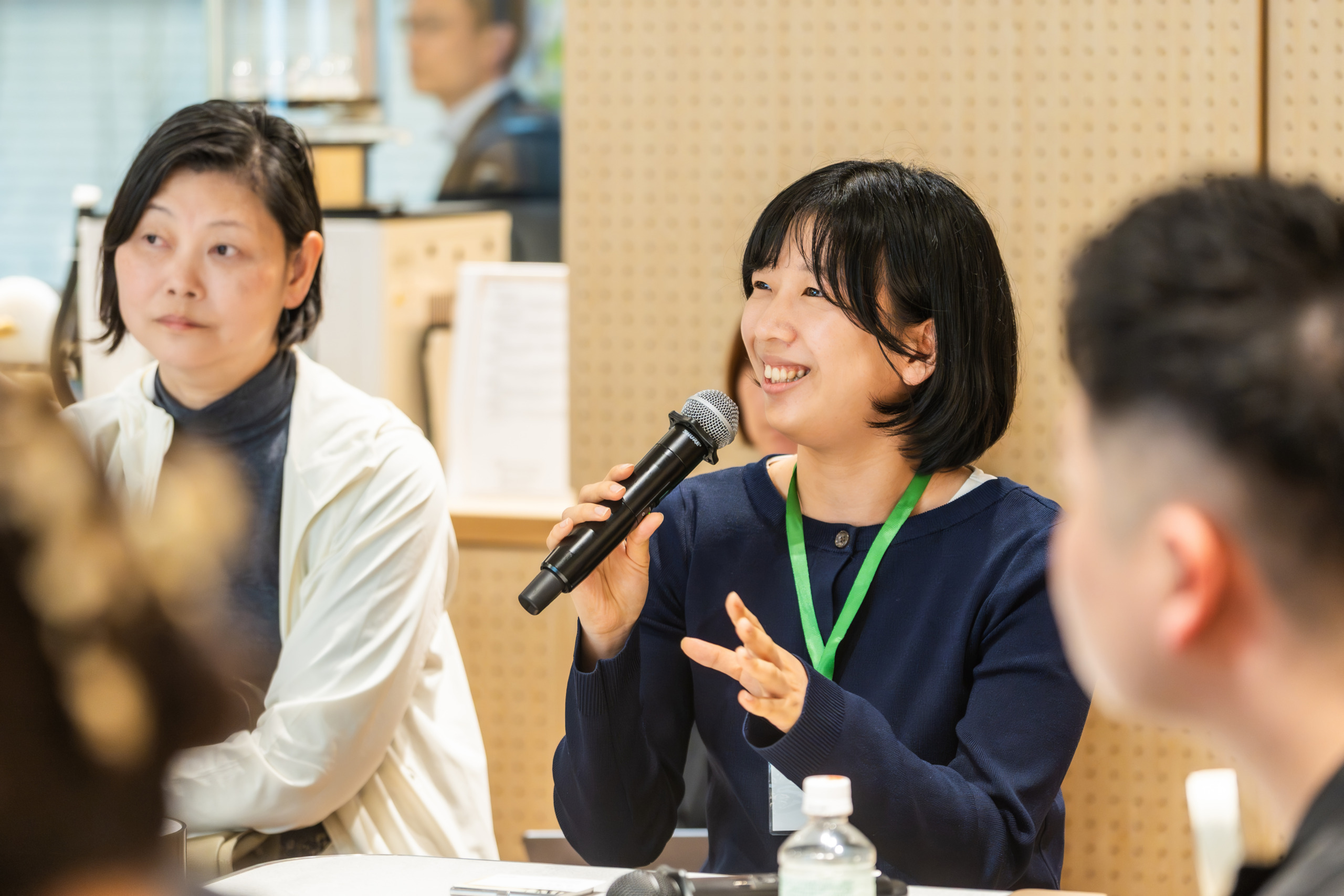
As the discussion picked up, one participant—a passionate plant lover—shared a candid perspective. “If the goal is to attract visitors from overseas, I think the current concept works well, and the admission fee could even be higher. The entrance and dining area can be stylish and welcoming to a wide range of people, but I’d still like the garden itself to offer something more in-depth for serious plant enthusiasts.”
Toward the end of the session, another participant, who runs a well-known restaurant in Chiba Prefecture, shared an encouraging thought. “A lot of people have moved to the Otaki area, and many of them are doing really interesting things—from a distillery with a medicinal herb garden to a cheese workshop that opens just one day a month. There’s already so much to enjoy here, from nature to great food. If people in the area could connect and work together, I think Otaki could become an even more special place.”
Passing something on is not just about preserving what we receive from the past. It is also about figuring things out together with the people around us today, and finding ways to carry those ideas and values into the future. Uemura’s vision of “cultural regeneration” may take shape little by little through conversations and experiments like these.
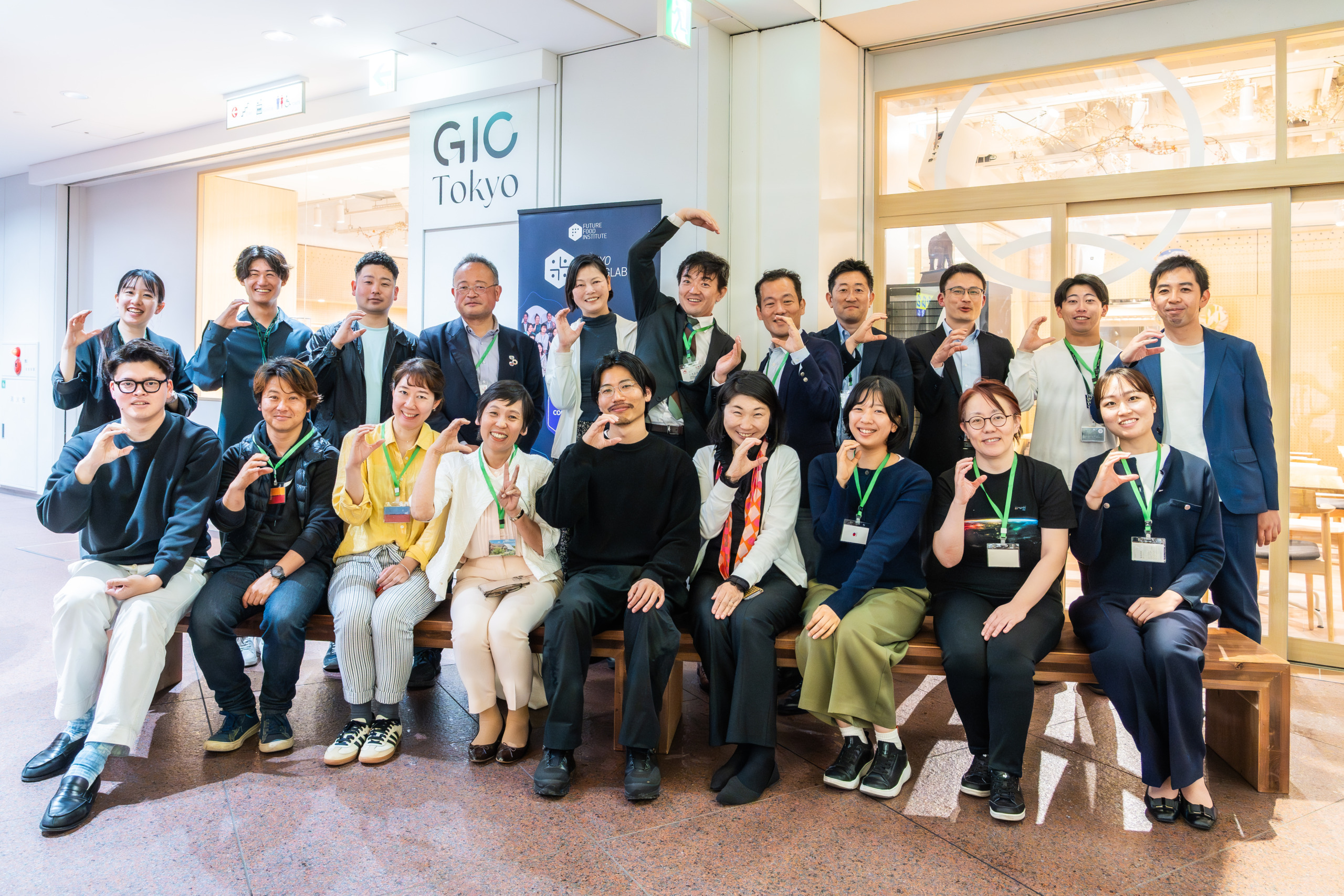
(Text by Michi Sugahara / Photos by Shuji Goto / Materials provided by Naoto Uemura)
After working at Nomura Research Institute, Loftwork, and 301, Uemura became independent. He now works across fields where food, space, and creativity intersect, including the development of commercial facilities and cafés, regional accommodation projects, property leasing, and market event planning. Drawing on his experience spanning everything from system design to on-the-ground implementation, he takes an integrated approach to projects, overseeing them from strategy development through to operations.