
“Net-Positive” and “Co-evolution” — The Ideas and Global Practices Shaping Regenerative Cities [Regenerative City Inspiration Talk Vol.3 – Part 1]
As environmental awareness becomes a shared language across society, the concept of “regeneration” is gaining attention as the next paradigm—one that moves beyond sustainability. Instead of merely reducing environmental impact toward zero, it seeks a net-positive state in which human society and economic activity actively enrich the planet’s ecosystems. The question is: what does it take to bring this way of thinking into the cities where we live?
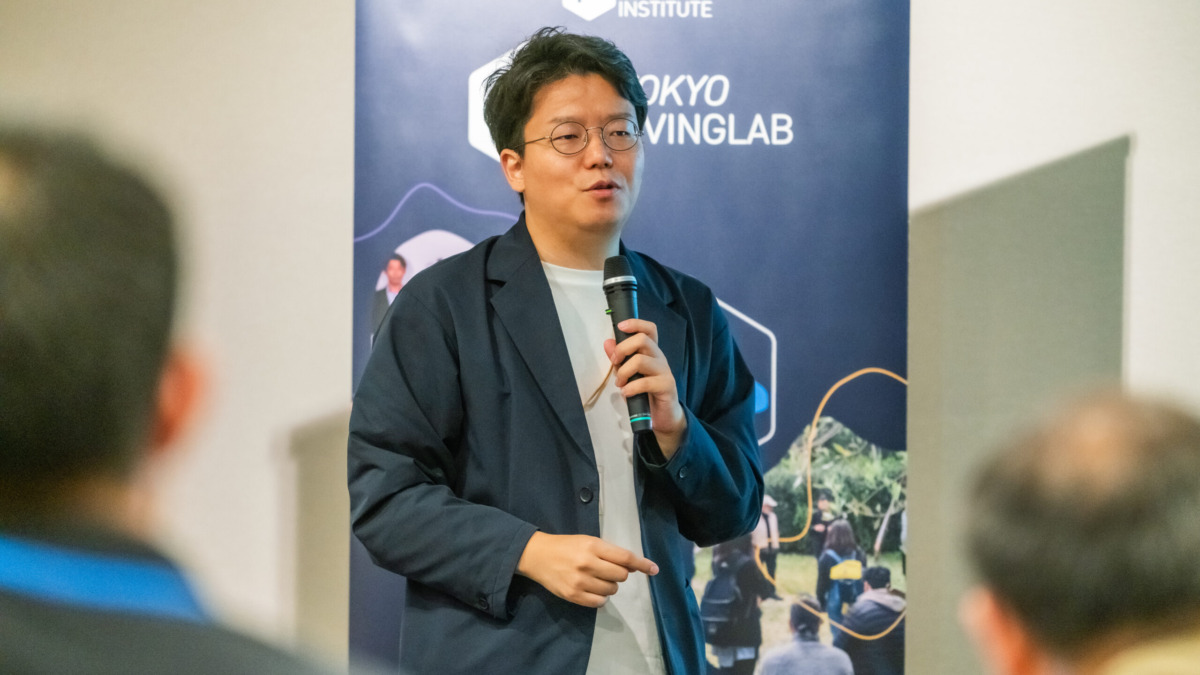
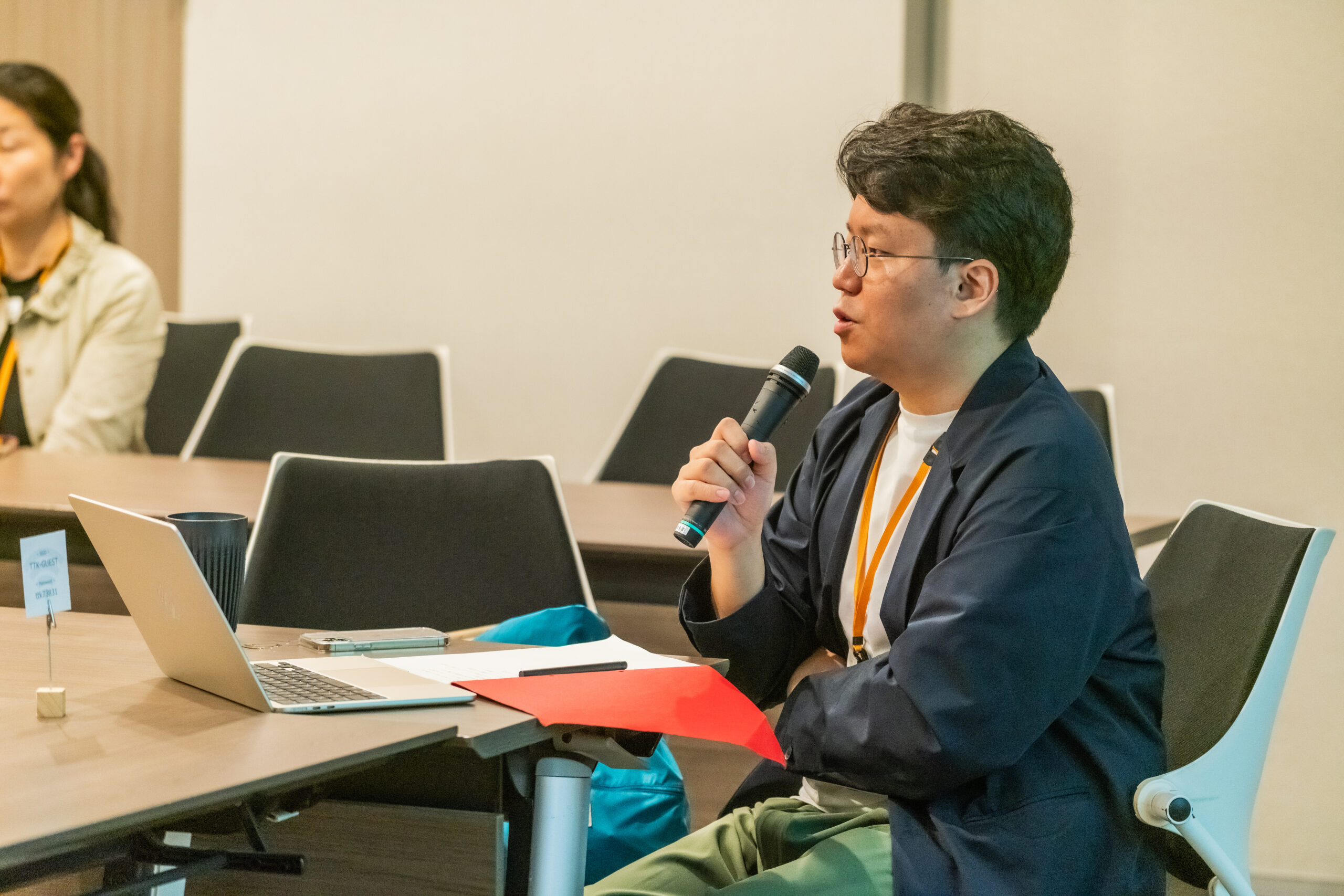
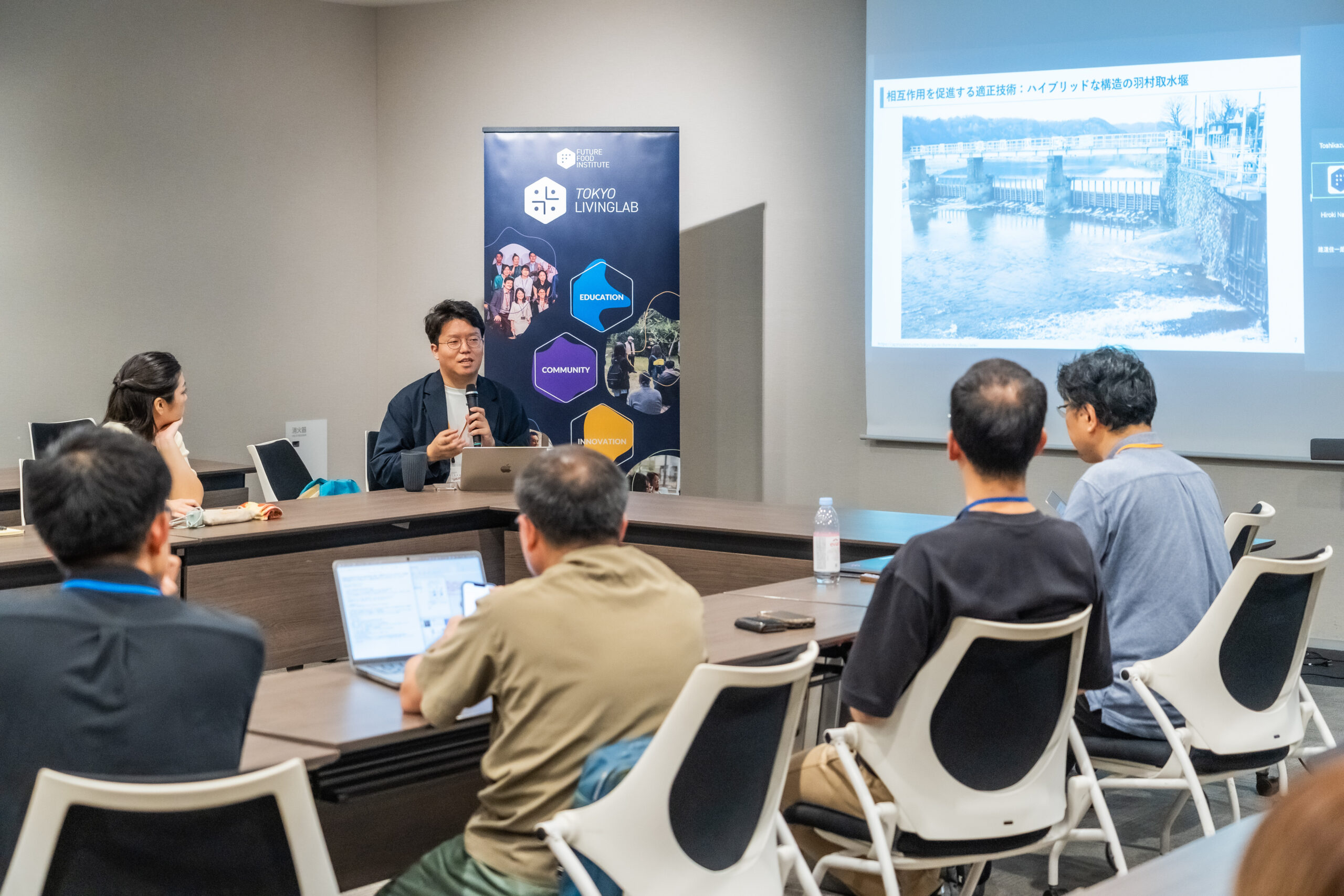
On July 16, the third session of the ongoing Regenerative City Inspiration Talk series was held at the Brillia Lounge in Yaesu, Tokyo. The theme for this session was “Learning from the World: What is needed for regenerative city-making?” The guest speaker was Dr. Hiroki Nakajima, a leading researcher in regenerative cities and a specialist in urban engineering at the University of Tokyo. After working at a design office, Dr. Nakajima moved into academia, where he now researches urban planning and community development. He has been active as a front-runner in this field, curating and supervising projects for academic journals and for WIRED magazine.
The event brought together a diverse range of participants—from experts in urban planning and community development to members of the general public. In this varied setting, discussions unfolded on the essence of the regenerative city, real-world practices from around the globe, and what the future might look like for Tokyo.
“What exactly is regenerative?”
Dr. Nakajima opened his talk with this fundamental question. In Japanese, “regenerative” is often translated as “saisei,” and commonly explained as an idea that “views humans as part of nature and aims for the restoration and flourishing of socio-ecological systems.” In contrast, Dr. Nakajima presented his own definition, shaped through his research.
“It is a net-positive approach that seeks not only the regeneration of natural ecosystems, but also the regeneration of human well-being and community, the proper management of artefacts, and the simultaneous revitalization of society and the economy.”
At the core of this definition are two characteristics: net-positive and co-evolution. Net-positive refers to human activity generating a positive impact on socio-ecological systems. Co-evolution means sustaining multi-actor, place-based evolution rooted in the unique qualities of the land.
“I call this co-evolution ‘one stone, two birds,’” Dr. Nakajima explained.
“One initiative should be good for nature, good for people, good for the community, and good for the economy. That’s what allows the initiative to continue. Even if you hit a home run once and achieve net-positive, it has no meaning unless it keeps going.”
Dr. Nakajima pointed out that at the core of this way of thinking lies the idea of “rebuilding the relationship between humans, nature, and things.” We now live in what is called the Anthropocene—an era in which the total mass of human-made artefacts exceeds the biomass of all living organisms on the planet. As we have continued to repeat cycles of scrap-and-build, we have come to depend on maintenance-free materials designed to avoid complaints and require little human involvement.
As a result, our relationship with objects has grown increasingly thin. Communities have become harder to form. Nature has been degraded. The interrelationship among these three elements has been severed.
“According to an ecologist who studies abandoned villages, they do not easily return to nature,” he explained. “Like satoyama landscapes, they cannot maintain a healthy state without human care. The regenerative approach seeks to transform our relationship with artefacts so that, through renewed interactions among people, nature, and things, we can regenerate communities and ecosystems.”
This stands in clear contrast to conventional sustainability. Buildings that obtain environmental performance certifications often lose their individuality in the process of meeting minimum standards, resulting in uniform designs. A regenerative approach, on the other hand, acknowledges that some aspects may be bold while others may be subdued, but aims for a city or society that, as a whole, generates a positive outcome.
Dr. Nakajima further emphasized the importance of creating synergy by addressing environmental issues—such as decarbonization and resource circulation—and social issues—such as population decline and aging—not separately but together. Regenerating the “relationships” that allow seemingly conflicting or unrelated challenges to be solved simultaneously, he argued, is the essence of a regenerative city.
The concept of “regenerative” did not emerge suddenly. Dr. Nakajima carefully traced its historical background.
efore the modern era, the ecological view that humans are connected to nature was taken for granted.
For example, Patrick Geddes—biologist, educator, and often called the father of modern urban planning—proposed the idea of the region: not seeing a city in isolation, but understanding it as a continuous whole from mountains to sea. Modern cities, however, have severed their connections with the mountains and oceans that absorb carbon. In this sense, the regenerative city seeks to reinterpret the city at the scale of this “region” and rebuild its relationship with nature.
During modernization, however, nature came to be regarded as something to be conquered by humans. As this worldview reached its limits, the concept of regeneration emerged in the late 1970s and 1980s.
The first to use the term “regenerative” was Robert Rodale, a pioneer of organic agriculture, whose ideas evolved from permaculture.
At the heart of this thinking was the regeneration of “soil health”—increasing the carbon content of soil—rooted in the assumption that ecosystems are inherently complex. From the beginning, this perspective questioned not only the human relationship with nature, but also the relationship between humans and non-human entities such as soil itself.
The key figure who brought this ecological thinking into urban planning was architect John T. Lyle. In 1994, he published Regenerative Design for Sustainable Development, which organized and formalized the concept within the fields of architecture and urban design. He argued that the core of the environmental crisis lay in “replacing unique places and diverse networks—those adapted to the conditions of the land—with simplified and uniform designs that are easier to manage.”
Parts of Lyle’s thinking later developed into the concept of the circular economy, which spread widely. And today, as movements to reevaluate entire social systems from a broader perspective accelerate, the idea of “regeneration” is once again gaining global attention.
How, then, can the idea of regeneration be concretely applied to city-making?
Dr. Nakajima framed three essential questions that must be addressed in practice:
- How can net-positive outcomes be achieved in an integrated way within a single space where multiple norms and standards coexist?
- How can we achieve net-positive outcomes overall, considering the negative impacts that urban areas inevitably generate?
- What does it take to realize co-evolution?
To respond to these questions, he introduced global case studies categorized into three levels: space, collaboration, and mechanism.
The spatial level focuses on visible places and areas that create synergy. One example presented by Dr. Nakajima was Playa Viva, a resort in Mexico. This project not only created an off-grid resort facility—it simultaneously achieved local job creation, restoration of ecosystems degraded by monoculture, watershed purification through organic farming education, and economic success through increased brand value. It can be considered a model in which ecosystems, local culture, and the regional economy “co-evolve.”
In a more urban context, he highlighted the Paris Oasis Schoolyard Programme. Originally designed as a heatwave countermeasure by greening schoolyards, it also provides cool refuge spaces for socially vulnerable groups such as children and the elderly. Another defining feature is that it is implemented at the scale of elementary school districts—an intimate community unit.
Next is the “collaboration” level. Because it is difficult for a single area to achieve net-positive outcomes on its own, connecting with areas outside—such as linking cities with rural regions—becomes essential.
A leading example is the Living Building Challenge, a regenerative building certification program. One requirement for certification is contributing to off-site environmental restoration equivalent to the area developed—for instance, conserving forests in rural regions. Urban development thus becomes directly connected to the regeneration of agricultural, forestry, and fishing communities. The fact that projects of diverse scales—from Google’s large headquarters to small homeless shelters in Seattle—have obtained certification speaks to its inclusivity.
In Denmark, programs are being explored in which tourists who help with farm work receive benefits, transforming temporary visitors into contributors to the region.
In Northern Europe and other regions, map-based civic participation platforms have emerged—similar to a “map version of Facebook”—where people can share locations of edible plants or directly submit opinions on urban planning proposals.
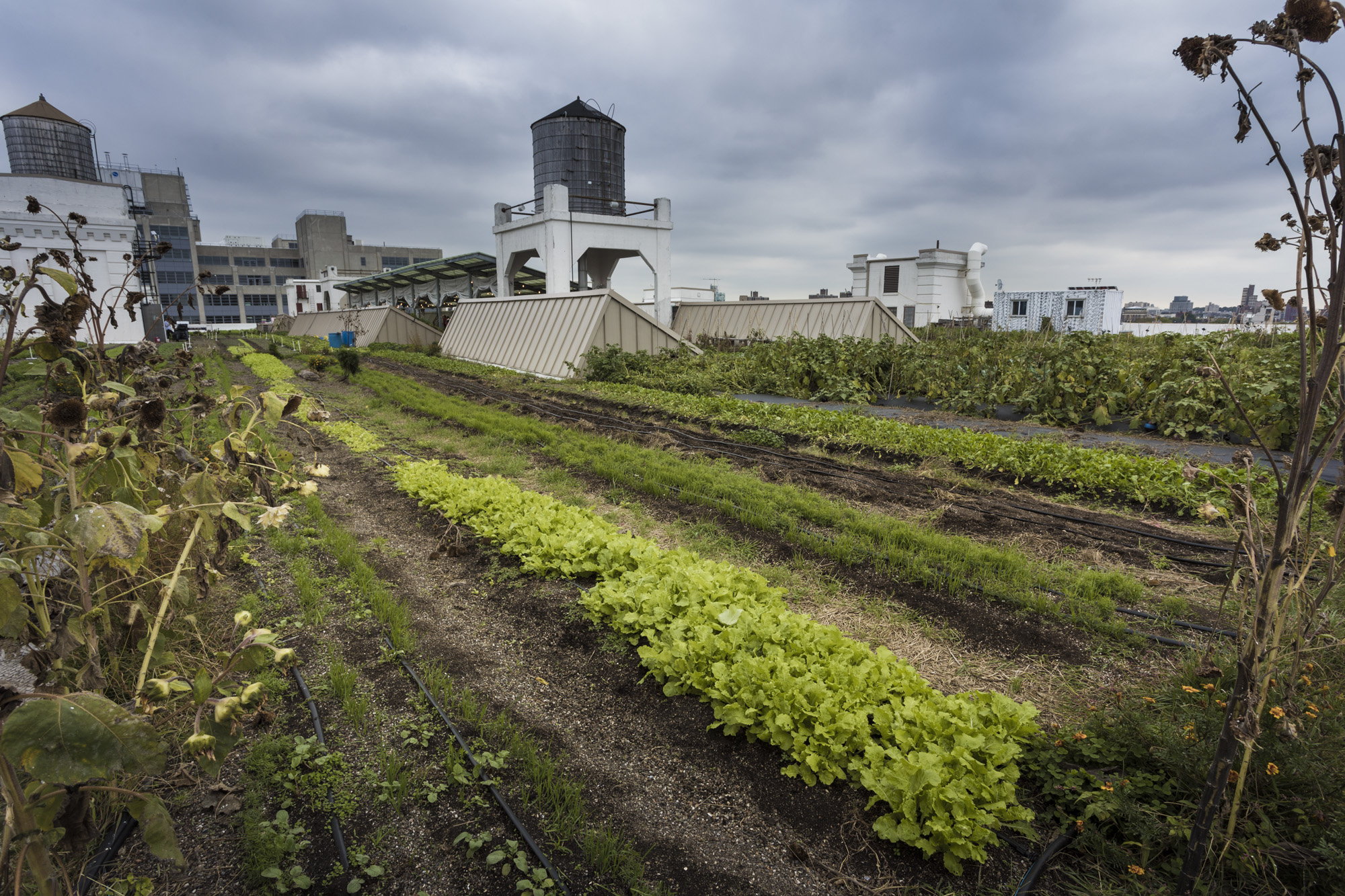
A symbolic example embodying such “co-evolution (one stone, N birds)” is Brooklyn Grange, the world’s largest rooftop farm located in New York City. This project is far more than urban agriculture.
“It is made possible through the combination of various policies—grants for green infrastructure, subsidies for sustaining manufacturing industries, regular building maintenance, and job creation,” he explained. “For example, one requirement of a manufacturing subsidy is ‘no rebuilding for 30 years.’ That leads to building maintenance, and if you’re not rebuilding, you might as well green the rooftop—so one idea links to another.”
While stacking multiple subsidies was once criticized, the role of the private sector in connecting siloed public systems is now indispensable. This technique, known as “stacking,” is the key to realizing regenerative projects.
The farm supplies produce to low-income residents, reduces urban flood risks, provides environmental education, and serves as a venue for weddings and yoga sessions—generating four, five, or more forms of value at once.
(Text by Michi Sugahara / Photography by Shuji Goto)
What these leading global cases reveal is that regenerative city-making requires a multilayered approach—one that integrates space, collaboration, and mechanism. And the philosophy that runs through all of these layers is anchored in two pillars: net-positive and co-evolution.
With these insights in mind, what will it take to transform Tokyo—the city we live in—into a regenerative city?
In the second part of this article, we explore Japan’s challenges, its potential, and the concrete actions needed, drawing from the discussions between Dr. Nakajima and the participants.
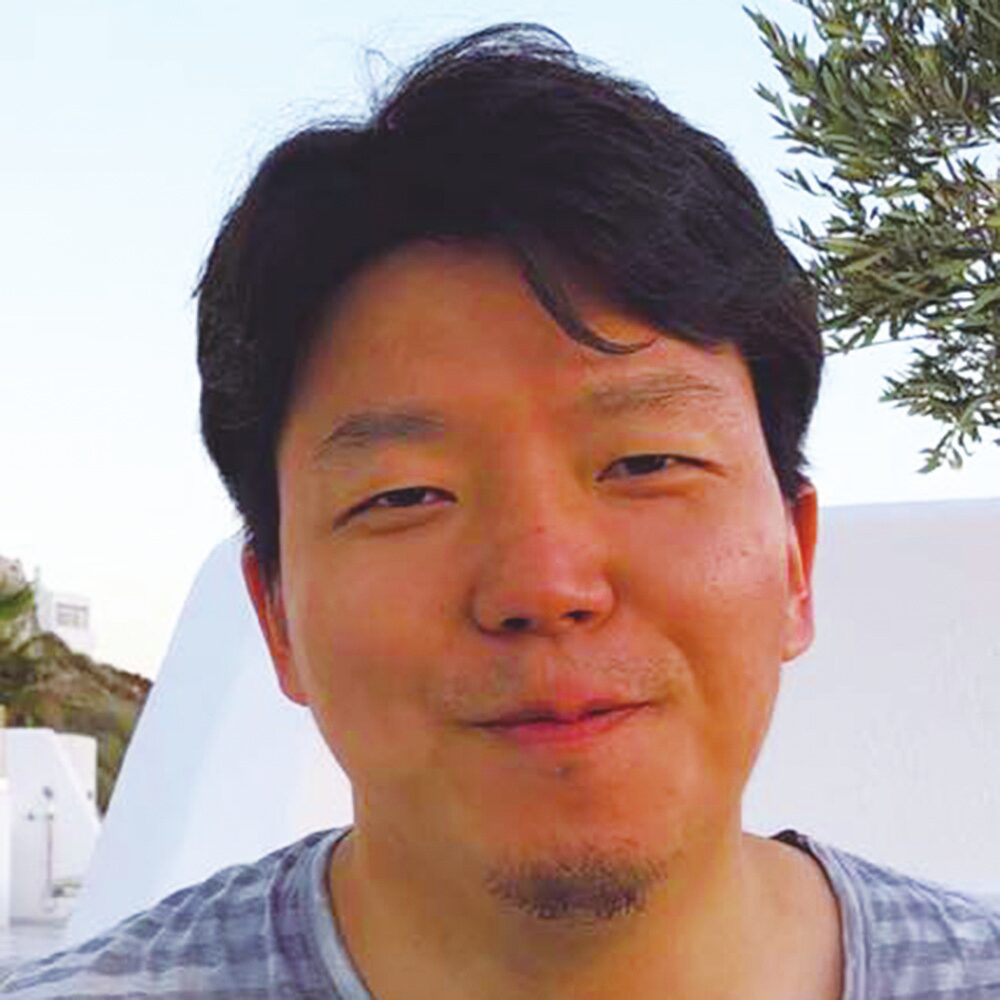
Department of Urban Engineering—Specially Appointed Lecturer
Field: Urban Engineering
Born in 1988. After working at the design office ria, he completed his doctoral program in Urban Engineering at the Graduate School of Engineering, The University of Tokyo, in 2020. Beginning in April 2021, he served as a Specially Appointed Assistant Professor at the university’s Center for Future Vision and the Real Estate Innovation Research Center within the Collaborative Research Organization, before assuming his current position. He holds a Ph.D. in Engineering and is a licensed first-class architect.