
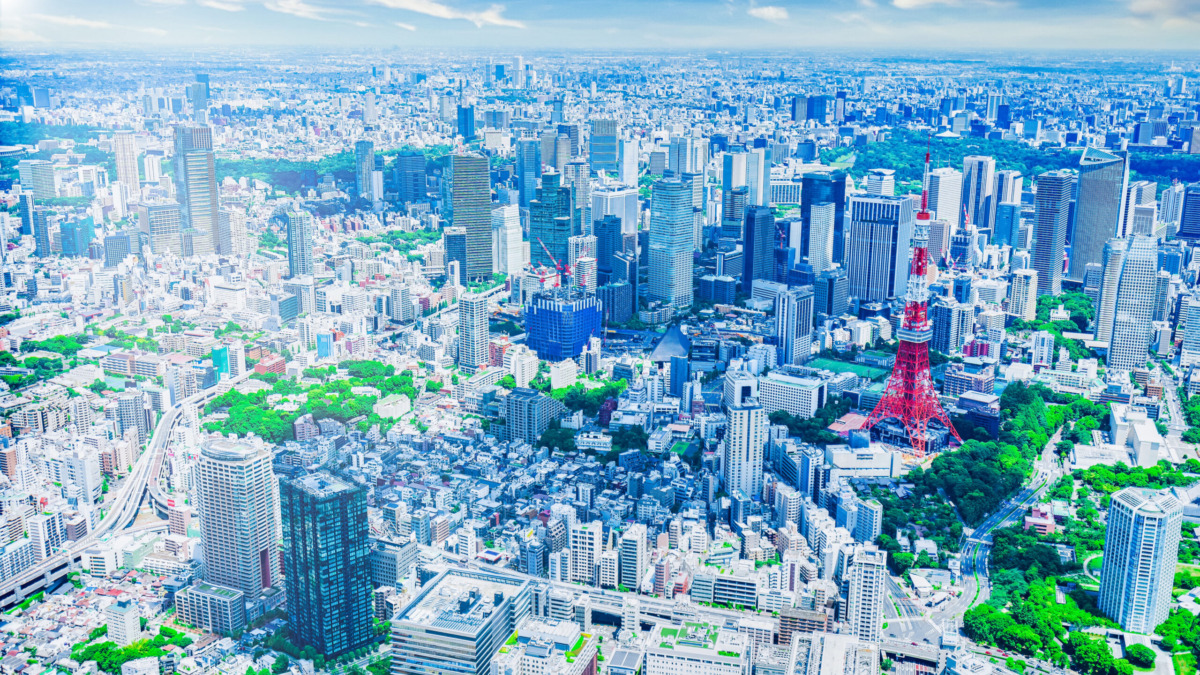
Tokyo as a Regenerative City — How Citizens Weave New Relationships and Co-evolutionary Urban Futures 【Regenerative City Inspiration Talk Vol.3 – Part 2】
In the first part of this article, we explored Dr. Hiroki Nakajima’s thinking on regenerative cities and examined leading practices from around the world. Approaches that rebuild the relationship between humans, nature, and things—anchored in the ideas of “net-positive” and “co-evolution”—are already being put into practice in diverse forms, from resort development in Mexico to rooftop farming in New York.
So how can these global insights be applied to Tokyo, the city we live in?
In this second part, we delve into Japan’s current landscape and potential through the Q&A session and group discussions with participants, uncovering concrete actions that each of us can begin taking today.
After Dr. Nakajima’s dense input, the session moved into a Q&A. Participants raised a series of pointed, thought-provoking questions.
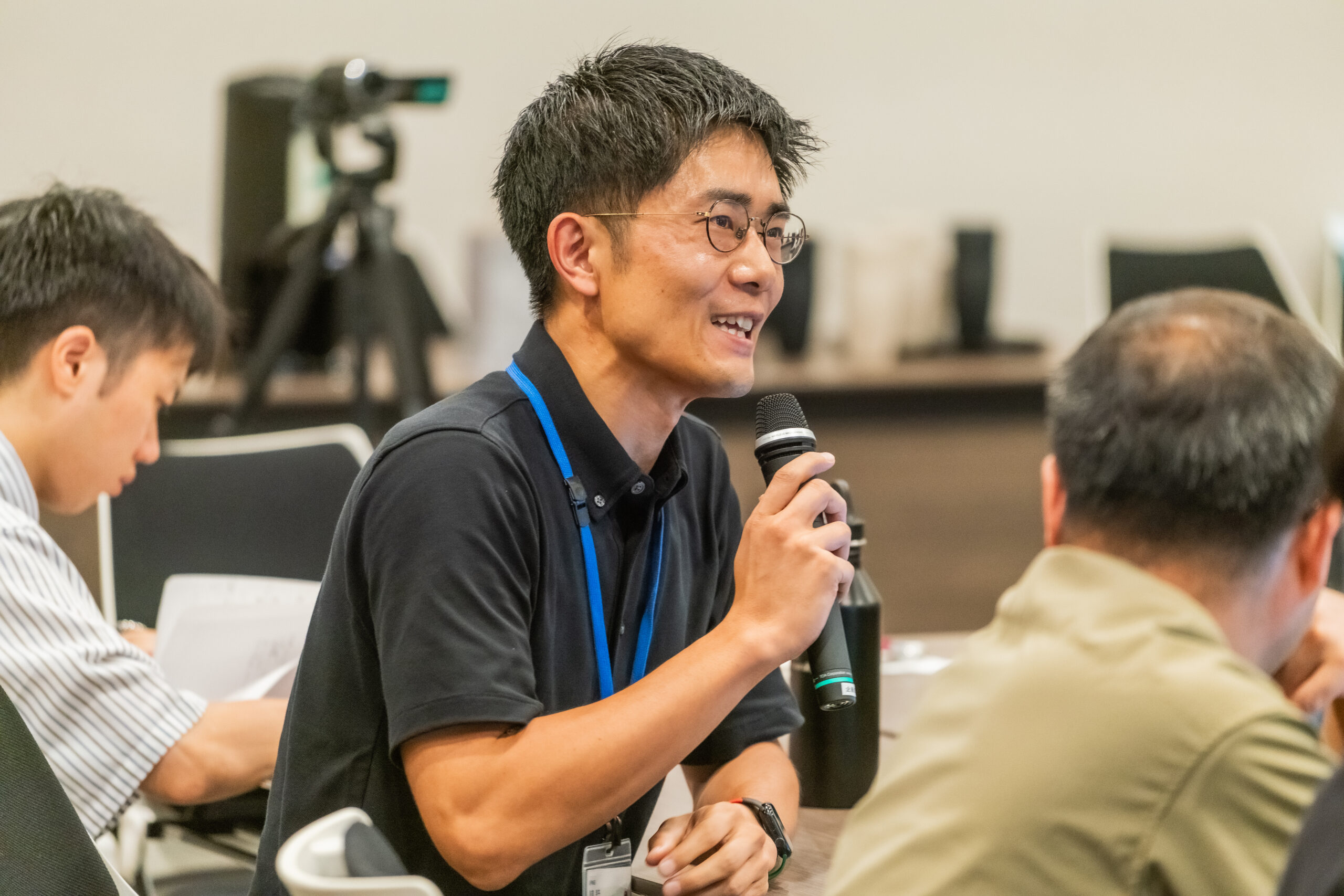
A man involved in community activities in Yamagata Prefecture asked, “We can’t seem to break away from the structure where urban areas profit by using rural resources. How should we engage with capitalism, and how can we attract investment into rural regions?”
Dr. Nakajima responded by highlighting emerging trends such as collaboration among competing companies and “inter-city alliances” in which regional cities join forces to stand up to major metropolitan centers. He also emphasized the importance of making the value of natural capital visible—framing its loss as an economic cost and creating logic that resonates with insurance companies.
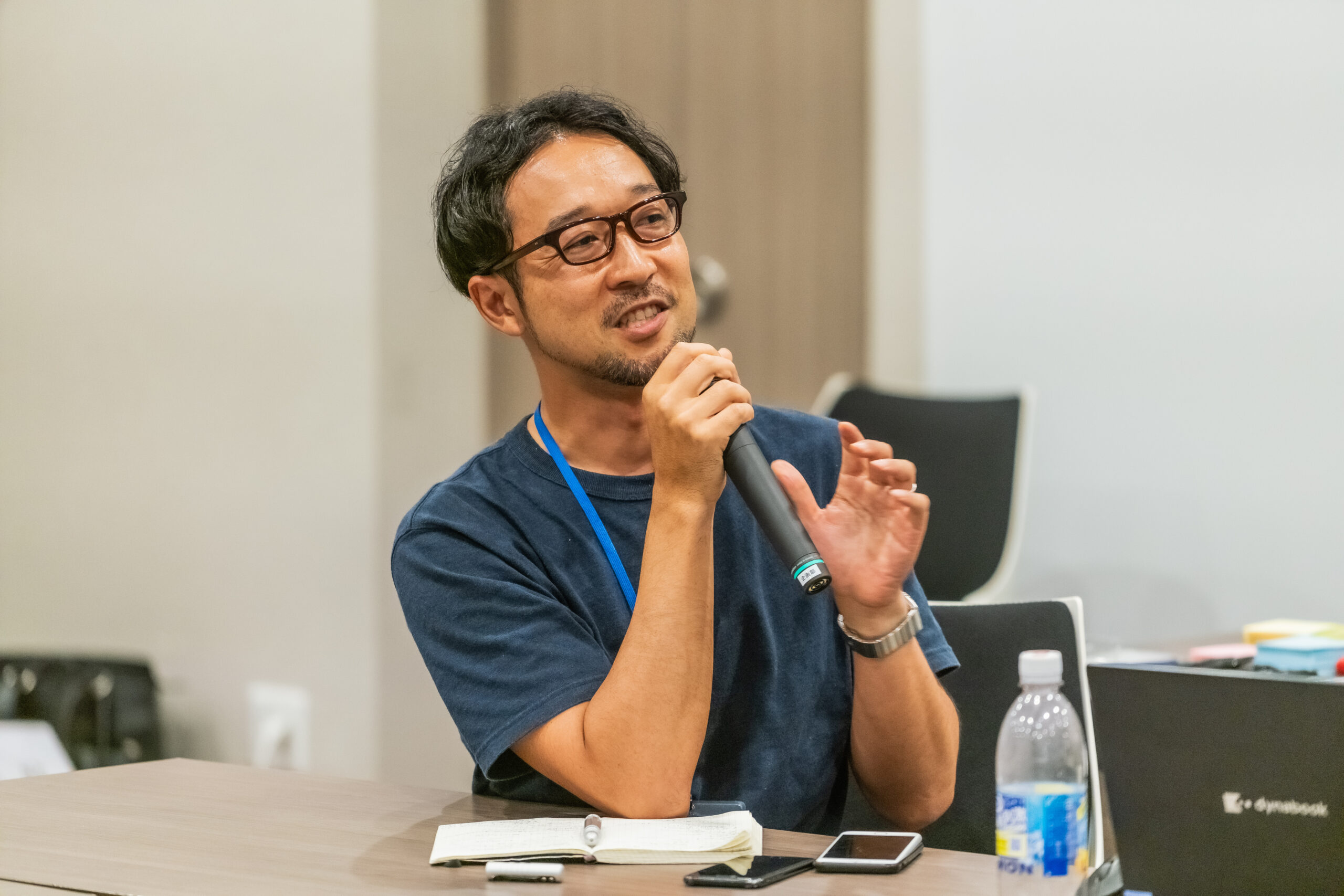
When asked how to balance economic rationality with initiatives like decarbonization, he offered two pathways. One approach is to target the most forward-thinking 3.5% of companies that can serve as catalysts for societal transformation. The other is to partner with local stakeholders—such as regional banks actively investing in green transformation—to create model cases driven by shared problem awareness.
Another participant, an engineer working at a general contractor, asked, “Which country is currently the most advanced in the regenerative field?”
Dr. Nakajima prefaced his answer by noting that it varies depending on the agenda, but listed several strengths: Denmark for social inclusion, France for ecological restoration, and the Netherlands for circular economy initiatives. He added that in many cases, countries rearrange existing policies and present them under the new label of “regenerative.”
He further explained that strategic communication is key: “Talking only about climate change tends to generate pushback, so countries pair it with issues citizens care about—such as housing or the revitalization of small and medium-sized businesses.”
When asked about Japan’s current position from a regenerative perspective, Dr. Nakajima offered a researcher’s frank assessment: “Unfortunately, the environmental performance of buildings in Japan is still remarkably low.”
At the same time, he pointed to an important strength—the strong civic organizational capacity that Japan has cultivated, for example through its experiences with disaster recovery. He noted a recent trend in which civic activists have begun calling themselves “regenerative entrepreneurs,” and said this movement holds significant promise.
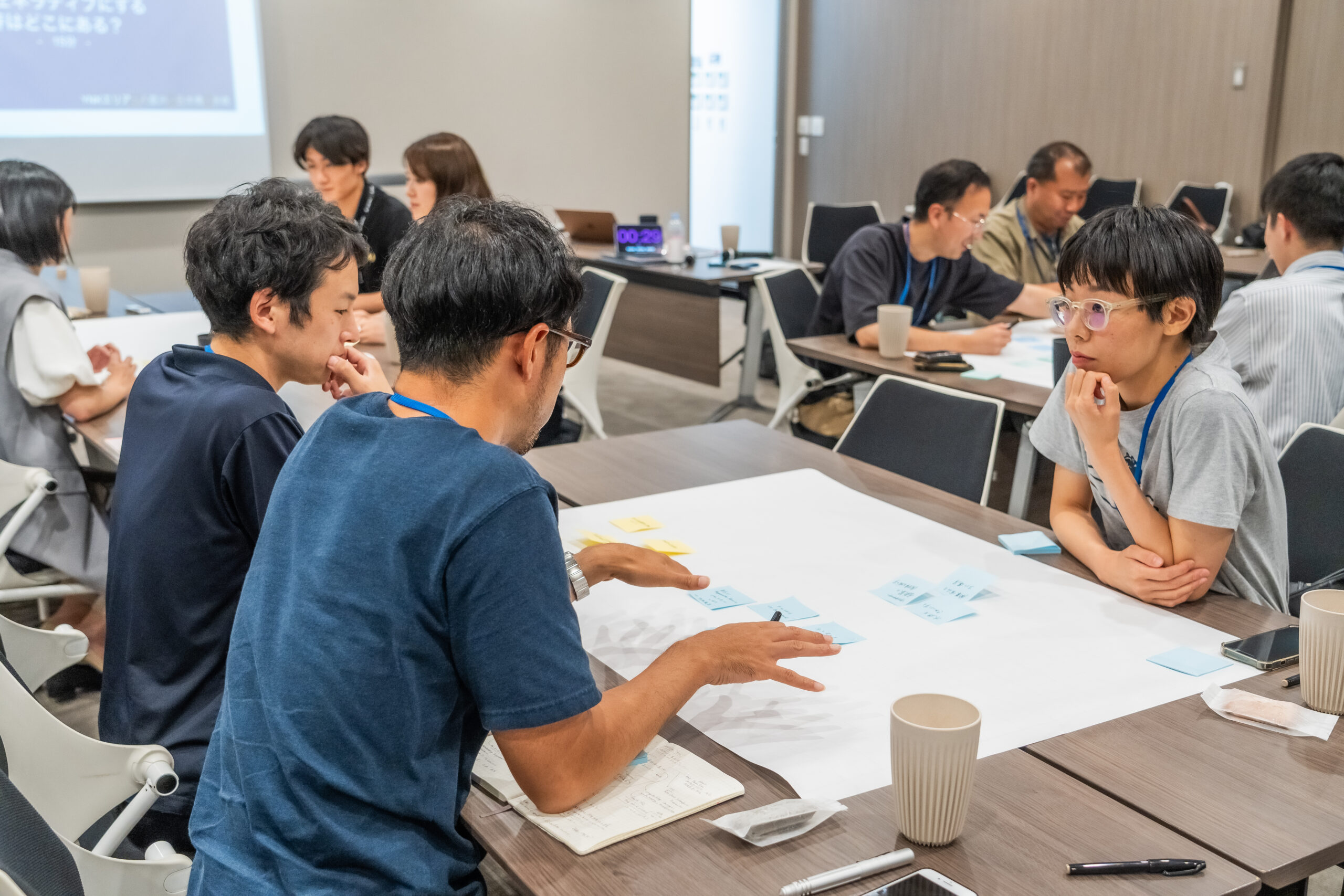
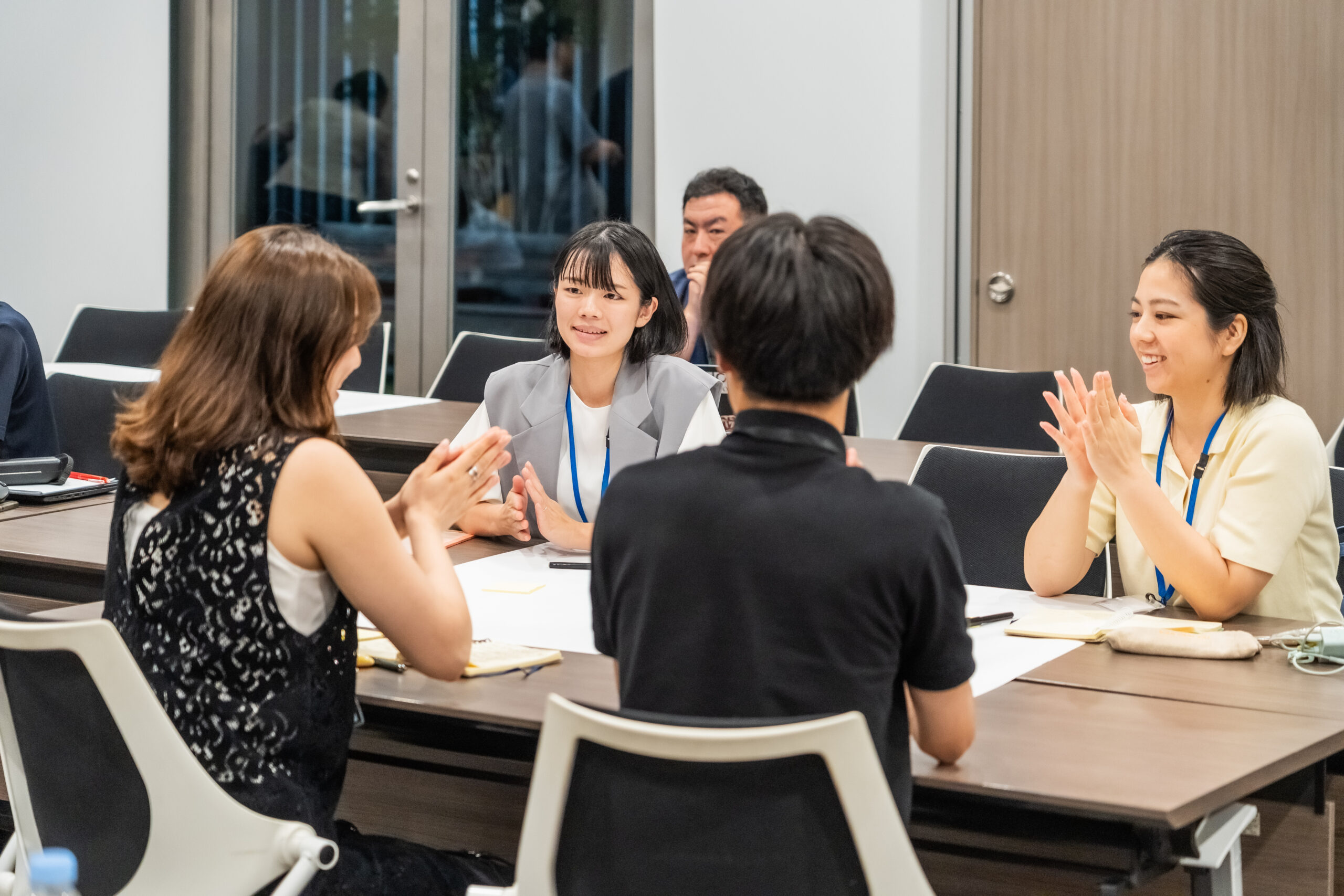
The event concluded with group work among participants. Under the theme “How can we make Tokyo a regenerative city?”, lively discussions unfolded, and each group shared a variety of ideas.
◎The Importance of Tolerance
One group emphasized the need for a city that values tolerance—rather than pursuing convenience or perfection, they argued for an urban environment that embraces a wider range of choices.
◎Creating Spaces for Learning and Experience
Another group presented three key themes: “education,” “creating places where people feel they belong,” and “Tokyo’s role.” Many specific ideas emerged, including “Children should have more opportunities to interact with nature from an early age,” and “Could vacant houses or empty lots be repurposed as compost sites or community gardens?”
◎Bold Ideas and Policy Proposals
There were also bold and imaginative suggestions—such as “What if people could swim in the moats of the Imperial Palace?”—as well as proposals for new systems, like introducing “regenerative leave” to allow employees to systematically participate in social contribution activities.
“Japan has a cultural tradition—like satoyama landscapes—in which nature and people interact to shape the environment. In this area, Japan and the rest of Asia could even take the global lead. Within that context, perhaps Tokyo’s role is to serve as a social space where people can meet diverse others—beyond the 150-person limit of stable social relationships.”
Listening to the presentations, Dr. Nakajima responded with optimism. And he concluded by encouraging small bottom-up actions:
“This may sound a bit rebellious, but something like guerrilla gardening—creating your own place with your own hands. Trying something out and having agency over it is, in itself, incredibly important.”
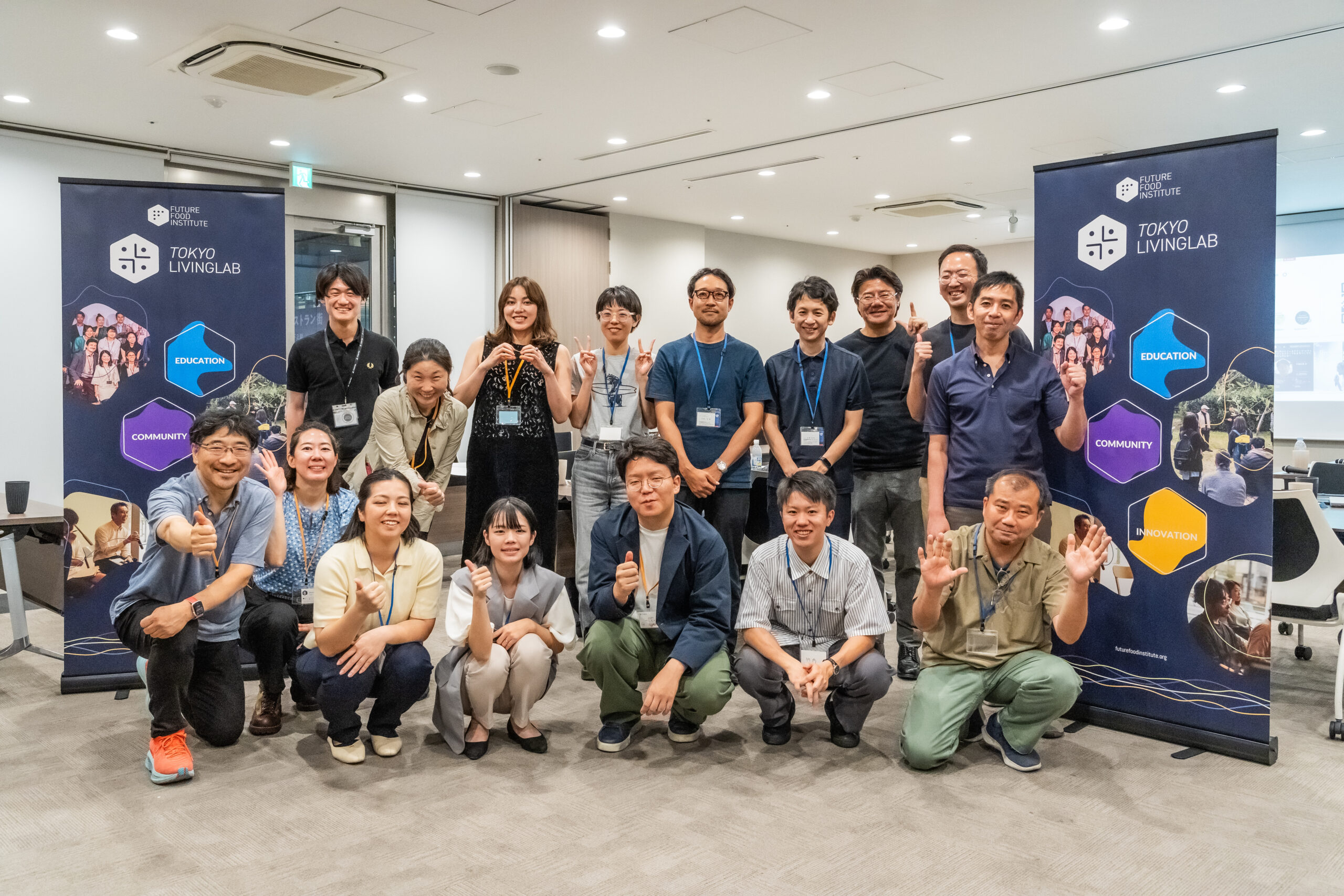
Through the discussions held that evening, one insight became clear: achieving a regenerative city does not begin with a perfect blueprint or sweeping policy reform. What matters most is the revival of “relationships” among diverse actors.
What Dr. Nakajima illustrated through global case studies was the mechanism of co-evolution—an approach that generates “one stone, two birds.” It is the technique of “stacking,” skillfully combining existing institutions and resources; the mindset of “organic development,” in which spontaneous citizen-led activities are later supported and connected; and, above all, a return to “appropriate technologies” that rebuild new relationships between people, nature, and things.
Many of the ideas proposed by participants shared common themes: starting small, trying things out yourself, finding allies. The path to making a megacity like Tokyo regenerative may not lie in waiting for someone to draft a grand master plan. Instead, it may begin with each individual restoring relationships at their own feet—right where they already stand.
The phrase “guerrilla gardening,” which Dr. Nakajima mentioned at the end, symbolized this idea. Rather than waiting for rules or permissions, creating small changes with your own hands and letting new relationships grow from there. When such grassroots experiments accumulate, they may eventually regenerate the entire city as a living system.
The passionate conversations exchanged at Brillia Lounge seemed to offer a clear glimpse of such a future. The journey toward a regenerative city is long, but the diverse intentions and energy of those who gathered that night will certainly help move that journey steadily forward.
(Text by Michi Sugahara / Photography by Shuji Goto)
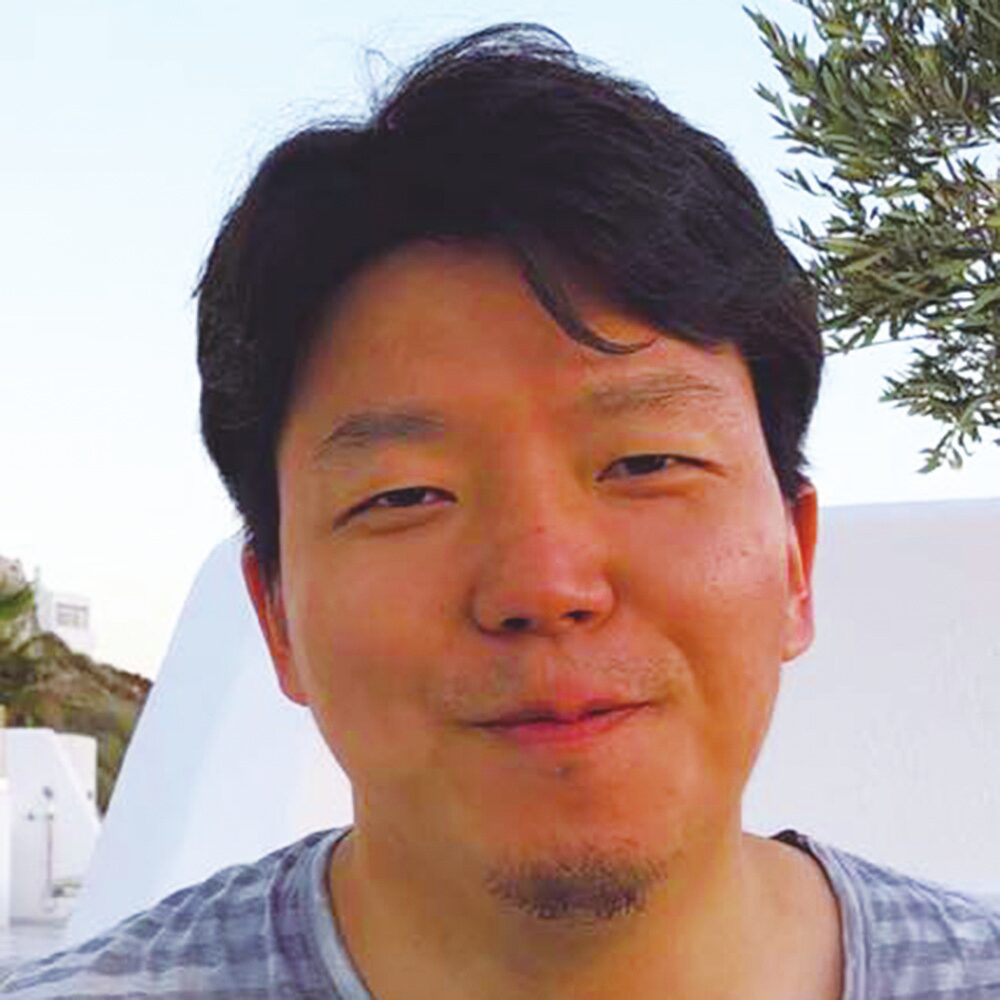
Department of Urban Engineering—Specially Appointed Lecturer
Field: Urban Engineering
Born in 1988. After working at the design office ria, he completed his doctoral program in Urban Engineering at the Graduate School of Engineering, The University of Tokyo, in 2020. Beginning in April 2021, he served as a Specially Appointed Assistant Professor at the university’s Center for Future Vision and the Real Estate Innovation Research Center within the Collaborative Research Organization, before assuming his current position. He holds a Ph.D. in Engineering and is a licensed first-class architect.