
Regenerating Food Systems from Tokyo — Building a City Where Each Individual Becomes an Agent of Change 【Regenerative City Inspiration Talk Vol.4 — Part 2】
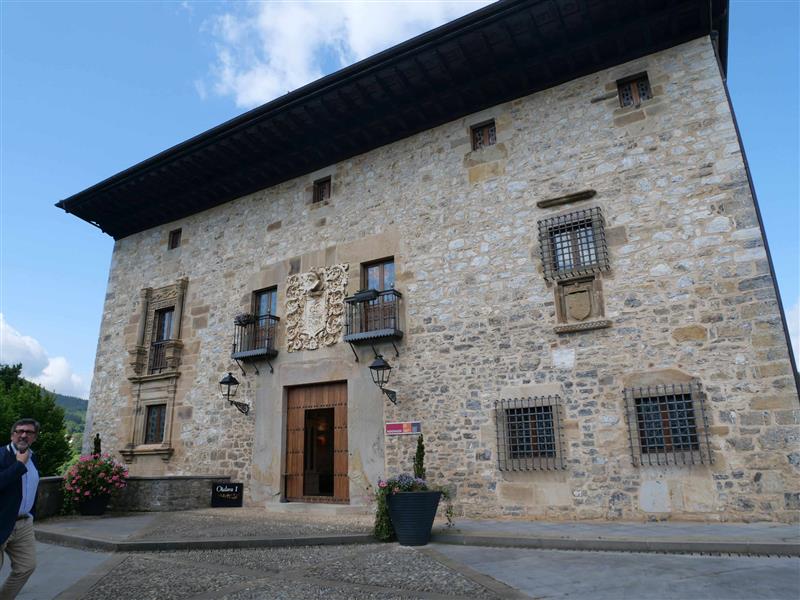
In Part 1, we explored the essence of regenerative city-making through food by looking at two contrasting examples: the Mondragón Cooperative Corporation in the Basque region of Spain and the small Italian municipality of Pollica. What emerged was the vital role of strong intermediary organizations and the ability to turn “invisible local assets” into new forms of value.
So how can these insights be applied to Tokyo’s YNK district?
In this second part, we delve deeper—through Q&A and group discussions with participants—into how these ideas can be replicated in Japan and what concrete actions can make Tokyo more regenerative.
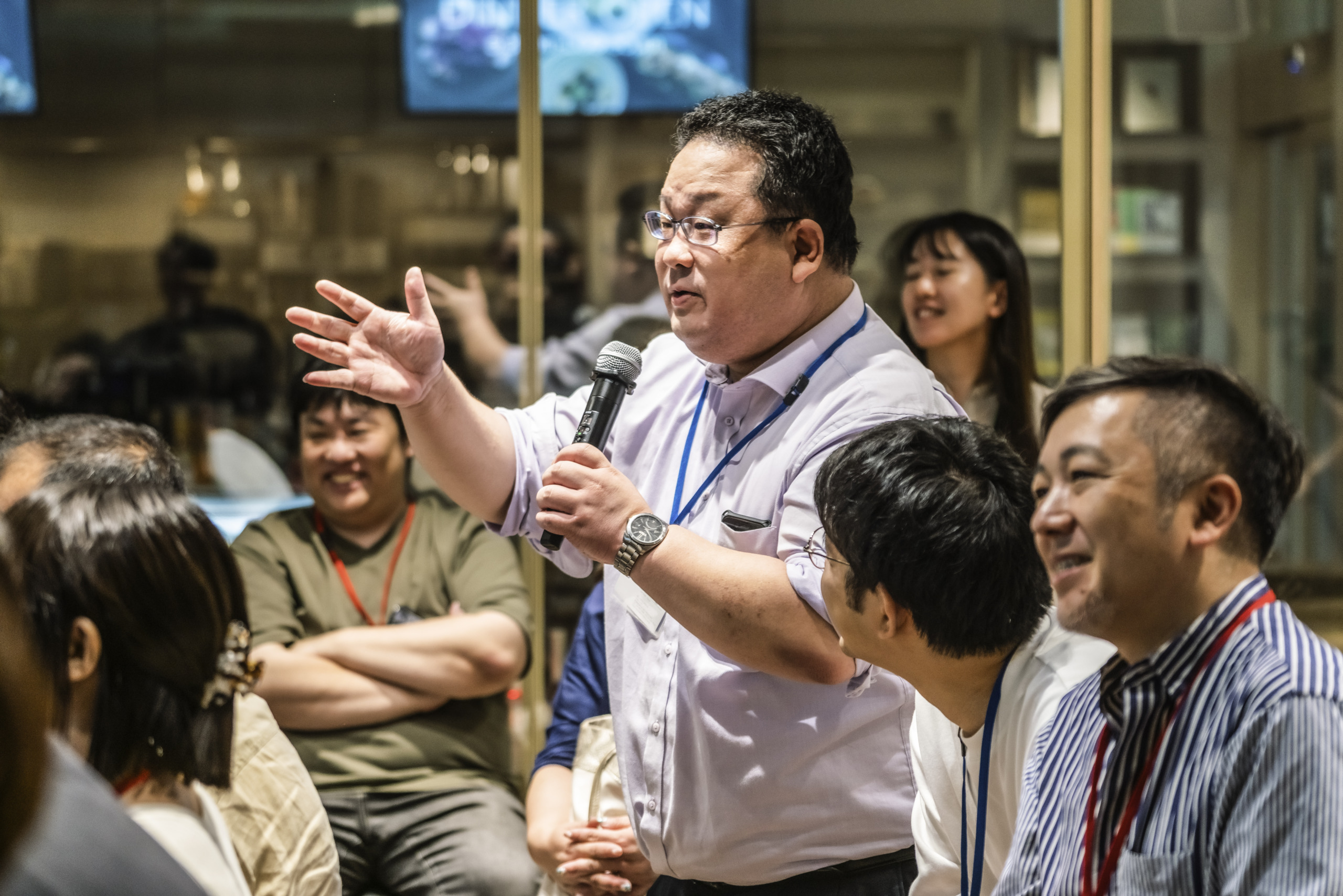
When an audience member asked whether the success seen in Pollica could be replicated in Japan, Tanaka responded decisively.
“There are always invisible local assets hidden in every region. If you have an intermediary organization capable of turning those assets into value, and a mayor with a strong will to drive change, then replication is absolutely possible.”
Rather than relying solely on government, the discussion highlighted the importance of collaboration among locally rooted private companies and external organizations, as well as creating communities where people gather and rediscover unseen assets that already exist.
Another question from the audience was how startups emerge in ecosystems like Mondragón.
Sawada explained that BCC supports social implementation of startups through facilities such as “LABe,” an incubation space equipped with a restaurant, and “GOe,” a larger-scale startup showcase designed to accelerate real-world adoption. Tanaka added that raising venture capital and going public are not the only pathways; there are diverse models for startups, broadening the discussion.
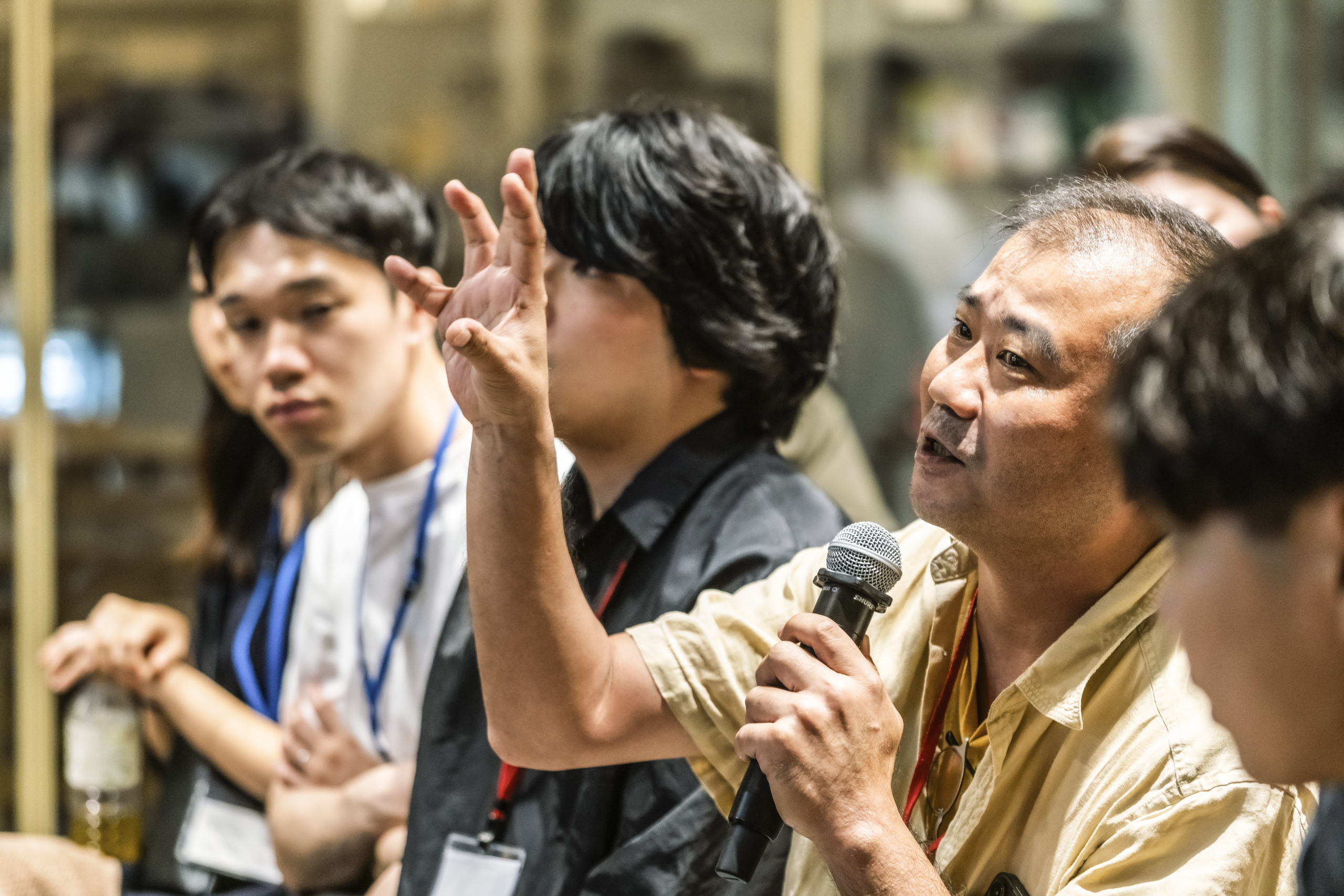
Toward the end of the session, the conversation shifted to what Tokyo should do, informed by examples from Spain and Italy. Fukuda pointed out, “Even though Japanese cuisine is highly sought after internationally, people still have to buy Spanish-authored textbooks to study washoku. Perhaps Japanese people are not communicating enough.”
Sawada responded, “At GIC Tokyo, we want to develop Japan’s outstanding content and offer it as Japan-originated courses at GIC Tokyo, BCC, and beyond. Through efforts like this, we hope to build relationships where we and our overseas partners can evolve together.”
Tanaka also emphasized the human element:
“In the end, everything comes down to people. The individual standing at the negotiation front must build relationships based on mutual respect and confidence. That’s what determines whether we can stand as equals on the global stage.”
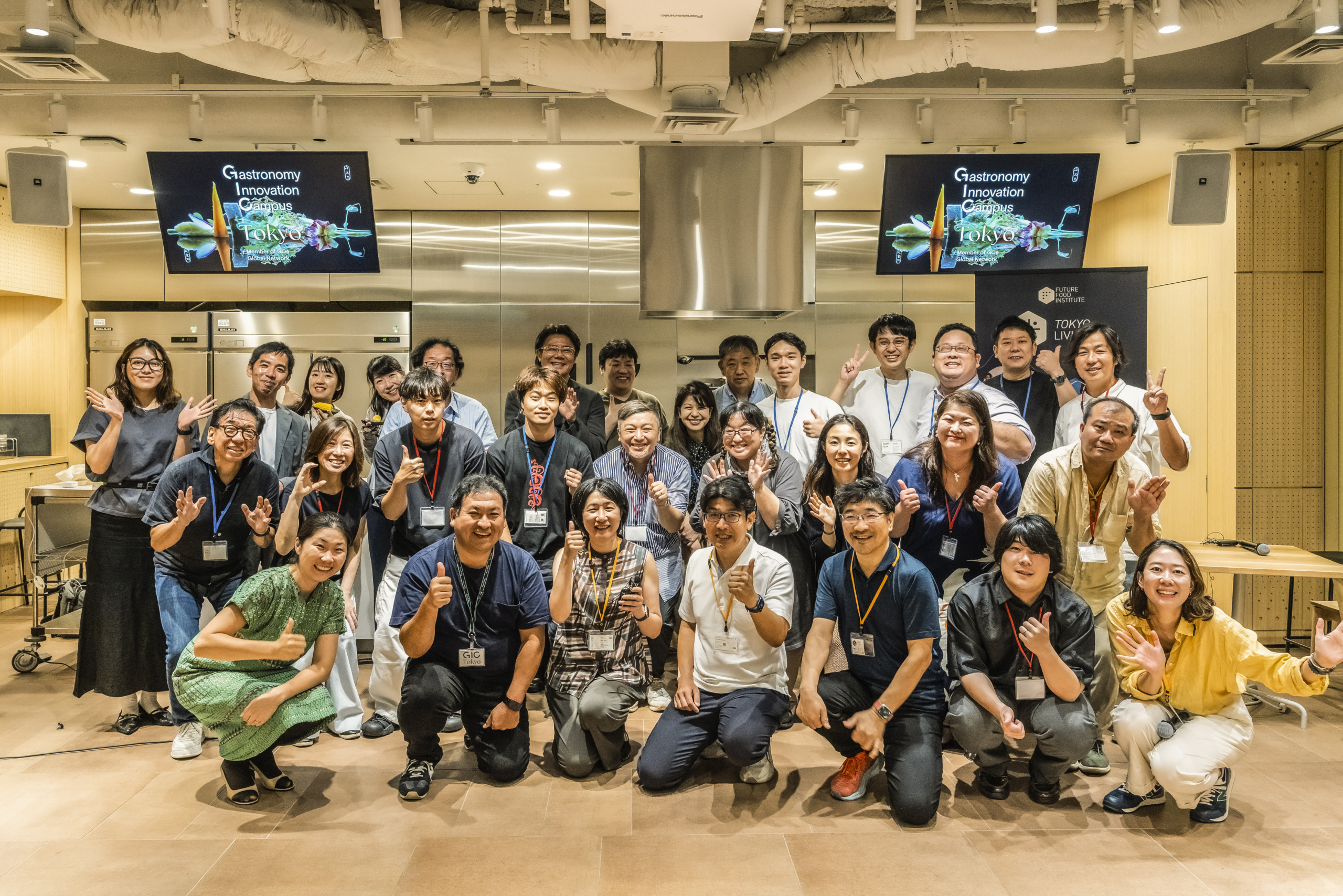
After the talk session, participants moved into group discussions centered on the question: “How can we make the YNK area more regenerative?”
Participants offered perspectives such as: the diversity of Tokyo—where history and modernity coexist—could itself become a hub attracting people from Japan and around the world; and that Tokyo’s potential lies not within the district alone, but in its relationships with places like Fuchu, Okutama, and even regional cities beyond the metropolis.
One idea that resonated strongly among the audience was reimagining Tokyo’s “territorio” through the lens of the Tama River basin, connecting the urban center with the forests at its headwaters.
At the same time, some voiced more sobering concerns, noting that Tokyo must first address fundamental issues such as overcrowding and the weakening of interpersonal connections.
Responding to these discussions, each speaker shared closing thoughts in their own words.
“As we discussed today, Tokyo Tatemono aims to serve as an intermediary body driving regenerative city-making. Even when something feels difficult within the limits of one’s own domain, approaching it through themes like food or culture allows horizontal connections to emerge. Everyone here today is already oriented in similar directions, so please reach out and collaborate. There is so much we can realize together in the YNK area.”(Sawada)
“In many countries, tech innovation happens in digital spaces—connections made in the air, so to speak. But in Japan, I believe it is vital to be rooted in the ground. Developers like Tokyo Tatemono create physical environments where people can gather, like at today’s event. Being able to connect on the ground, person to person, is a real strength for Japan.”(Okada)
“What I love most about regeneration is that it gives people permission to believe they can create something new. Rather than becoming cogs in predetermined systems, each person can hold a vision of how they want things to change—and join hands with others who feel the same. What matters is cultivating a mindset where people see the entire Yaesu district as their own asset. I want to help build an environment where individuals feel, ‘I have the power to change the world.’”(Tanaka)
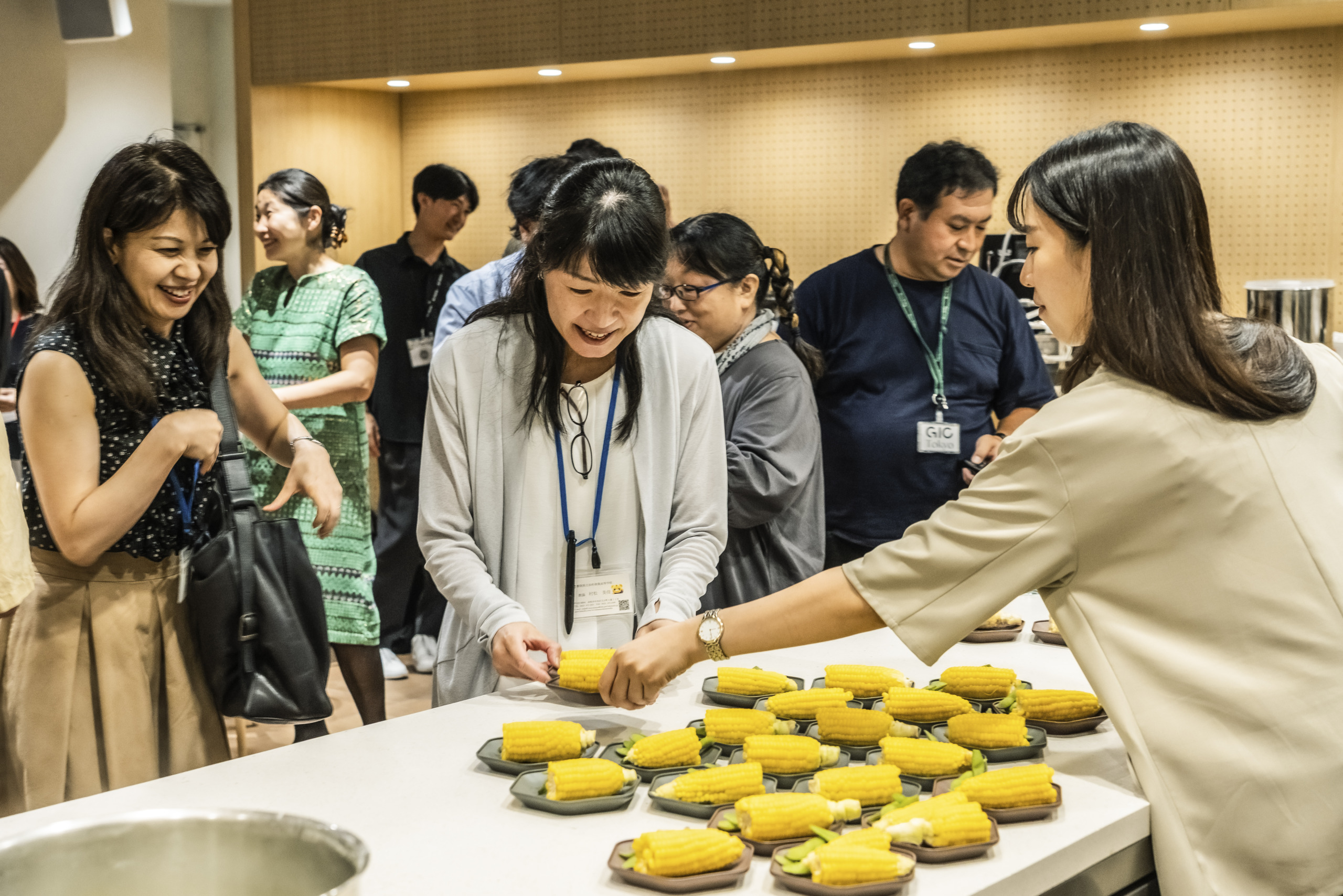
During the networking session at the end of the event, participants gathered around freshly harvested corn and edamame grown in Sawada’s hometown of Hokkaido. This small shared moment seemed to embody the event’s core theme: how to take lessons learned from overseas and put them into practice in our own immediate surroundings.
At first glance, the examples of the Mondragón Cooperative in Spain and the village of Pollica in Italy may appear to be products of entirely different cultures and systems. Yet the discussion revealed several universal elements: the presence of strong intermediary organizations, the ability to turn “invisible local assets” into value, and the will of individuals to drive change.
Tokyo Tatemono’s regenerative urban development efforts in the Yaesu area—centered on food—are an attempt to put these principles into action. By functioning as an intermediary organization that bridges global insight with local context, the company is helping to revive the “invisible assets” of the area’s food-related DNA dating back to the Edo period, transforming them into new sources of value.
Tanaka’s words—“Each individual has the power to change the world”—capture the very essence of regenerative urbanism. It means learning from global examples while starting with what is right at our feet.
One can only hope that the passionate conversations of this evening become the first step toward building a new food ecosystem from Tokyo to the world.
(Text: Michi Sugahara / Photography: Shuji Goto)
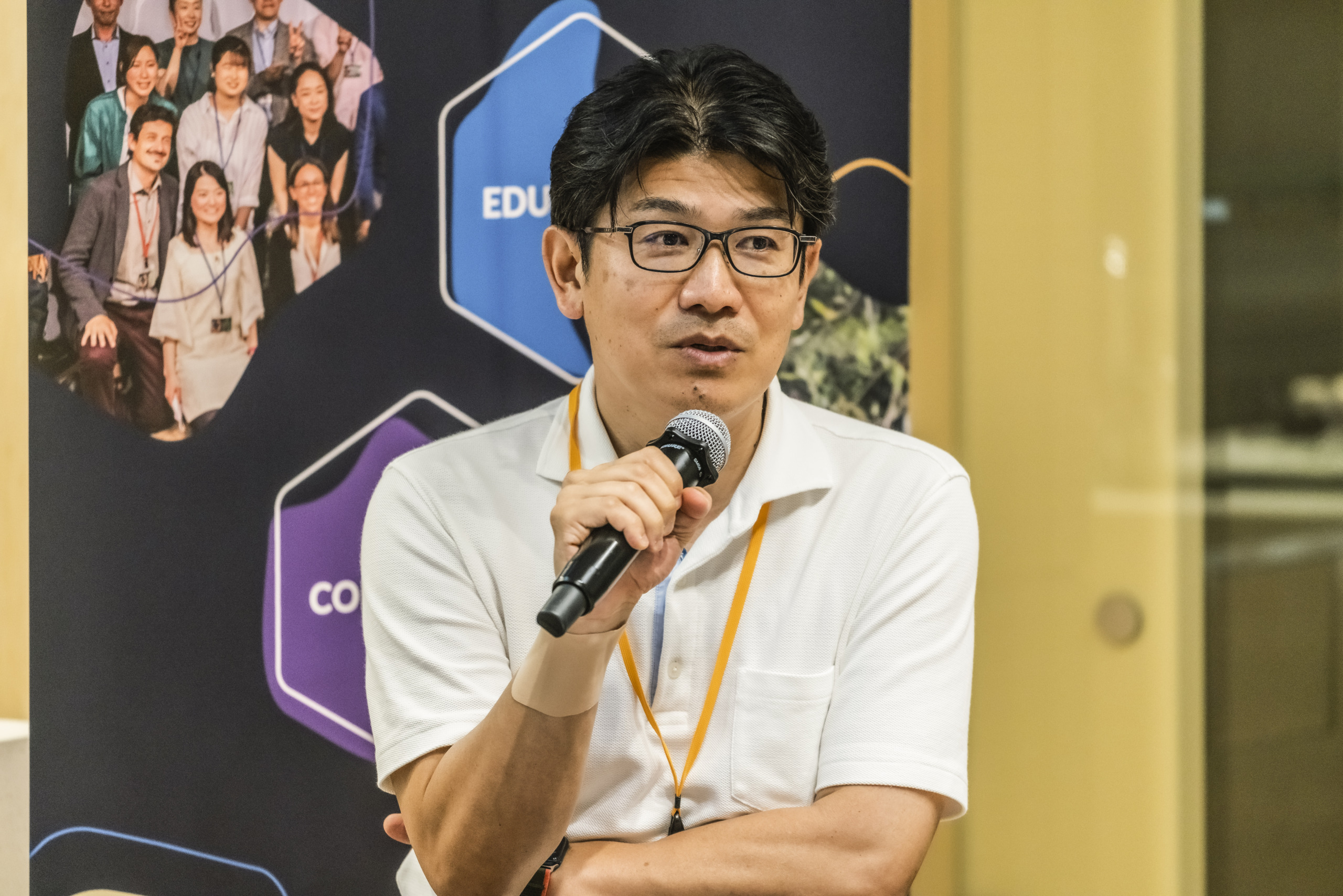
After beginning his career at Panasonic, Hirotaka Tanaka spent eight years at McKinsey & Company, primarily serving clients in the high-tech and telecommunications sectors. His work focused on growth strategy development and execution, M&A, new business creation, and venture partnerships.
In 2017, he joined Sigmaxyz, where he launched SKS JAPAN, a global foodtech summit. Through his involvement in business development support and community building within the food sector, he founded UnlocX in October 2023 with the aim of creating a robust food ecosystem in Japan.
He is the co-author of The Foodtech Revolution (Nikkei BP, 2020) and The Future of Food Transformed by Foodtech (PHP Shinsho, 2024). His additional roles include Director of SPACE FOODSPHERE (General Incorporated Association), Outside Director of Base Food Inc., Outside Director of TechMagic Inc., and Representative Director of Next Prime Food (General Incorporated Association).
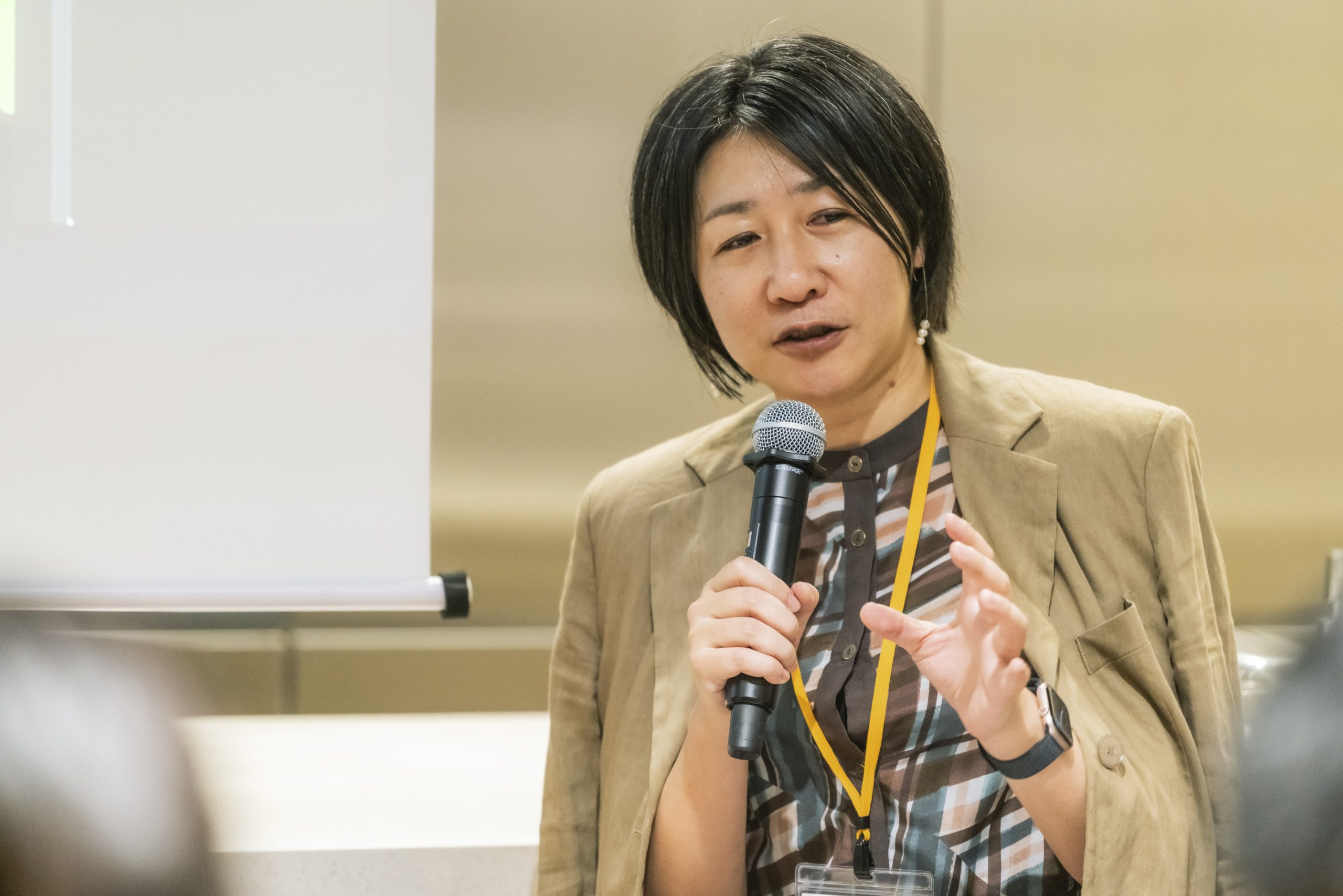
Okada focuses on building human-centered insights to bring food-tech innovation into society. Combining perspectives from business strategy, technology, humanities, and philosophy, she explores the fundamental question of what meaningful food innovation looks like for the future of humanity.
She previously worked at McKinsey & Company as a research specialist and later joined Sigmaxyz in 2017, where she co-founded the Global FoodTech Summit “SKS JAPAN.”
Today, she serves as Insight Specialist at UnlocX, leading insight development and thought leadership across the food innovation domain.
She is co-author of The FoodTech Revolution (Nikkei BP, 2020) and How FoodTech Will Transform the Future of Food (PHP Publishing, 2024).
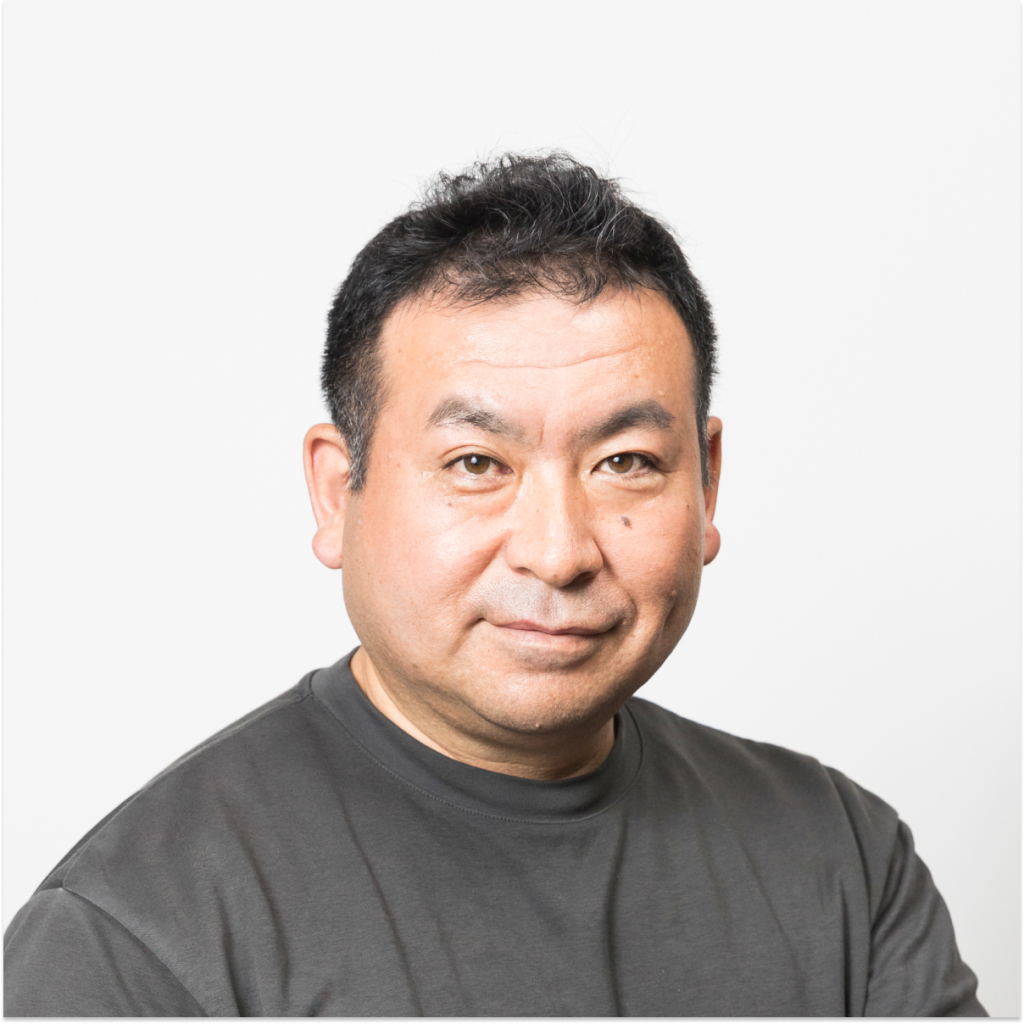
Born in Obihiro, Hokkaido, Sawada graduated from Keio University’s Faculty of Environment and Information Studies. After joining Tokyo Tatemono, he worked in residential development, served as a representative in the United States, and oversaw cross-border real estate transactions.
Since 2021, he has been leading initiatives to realize a regenerative society from Tokyo, supporting co-creation and innovation with food as a central axis.
In 2024, he opened the Gastronomy Innovation Campus Tokyo in Yaesu—the first international hub of the Basque Culinary Center’s Gastronomy Open Ecosystem (GOe).