
Enjoying Coexistence with Nature through Food, Farming, and Art — The Practice of KURKKU FIELDS【Regenerative City Inspiration Talk Vol.6 — Part 1】
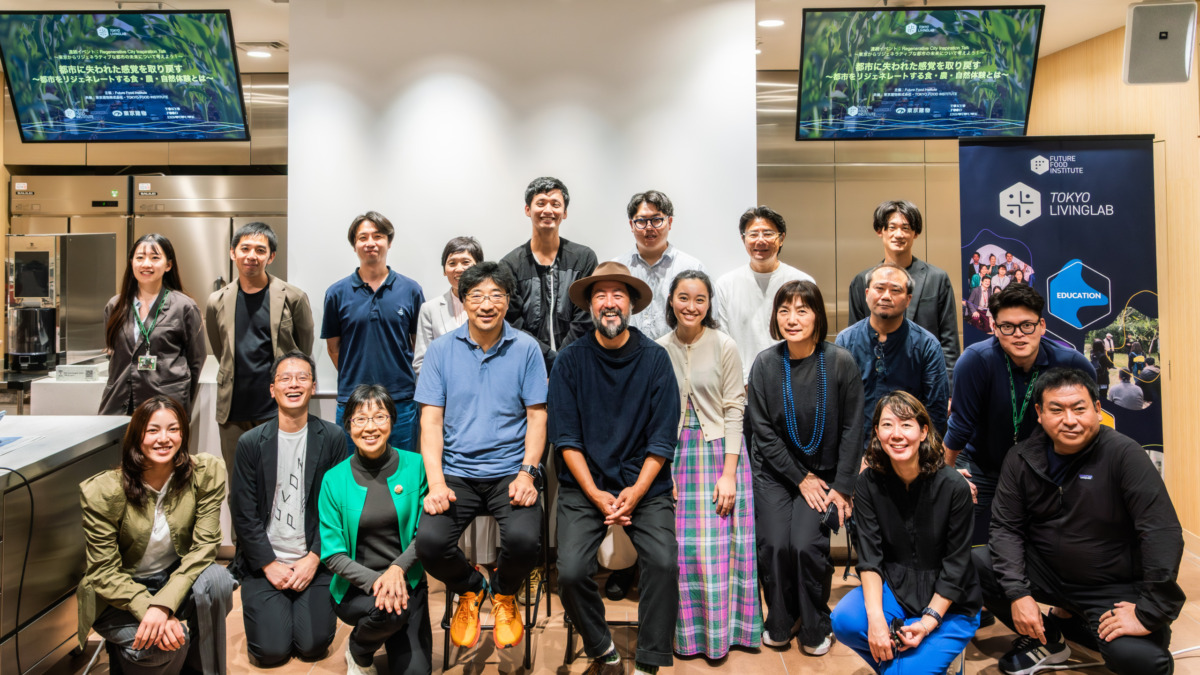
“Regenerative City Inspiration Talk” is a continuing event series that explores the future of Tokyo through a regenerative lens. The sixth session was held on October 15 at Tokyo Living Lab in the Yaesu district of Tokyo.
The theme of this session was:
“Reclaiming the Senses Lost in Urban Life — What Do Food, Agriculture, and Nature-Based Experiences That Regenerate Cities Look Like?”
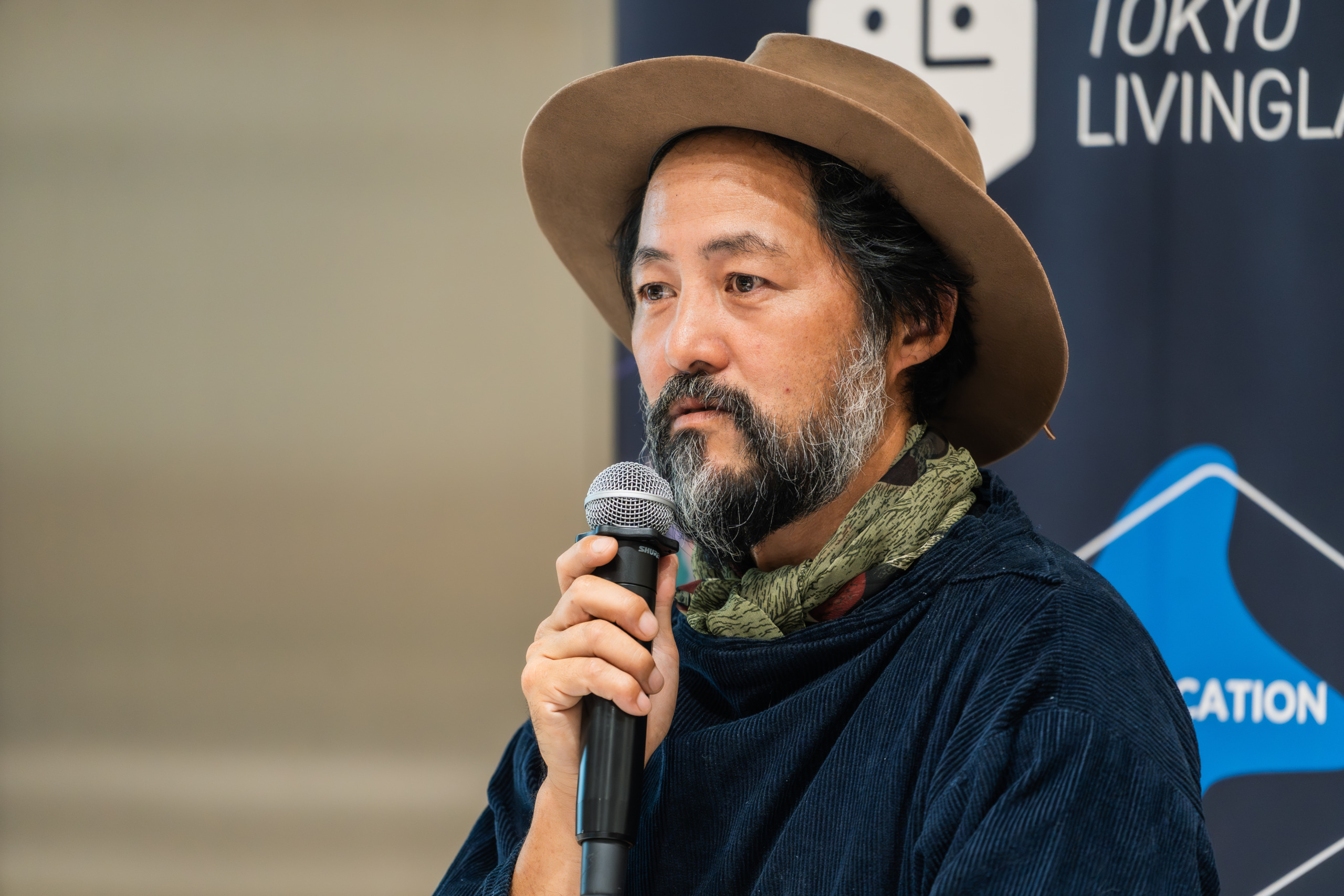
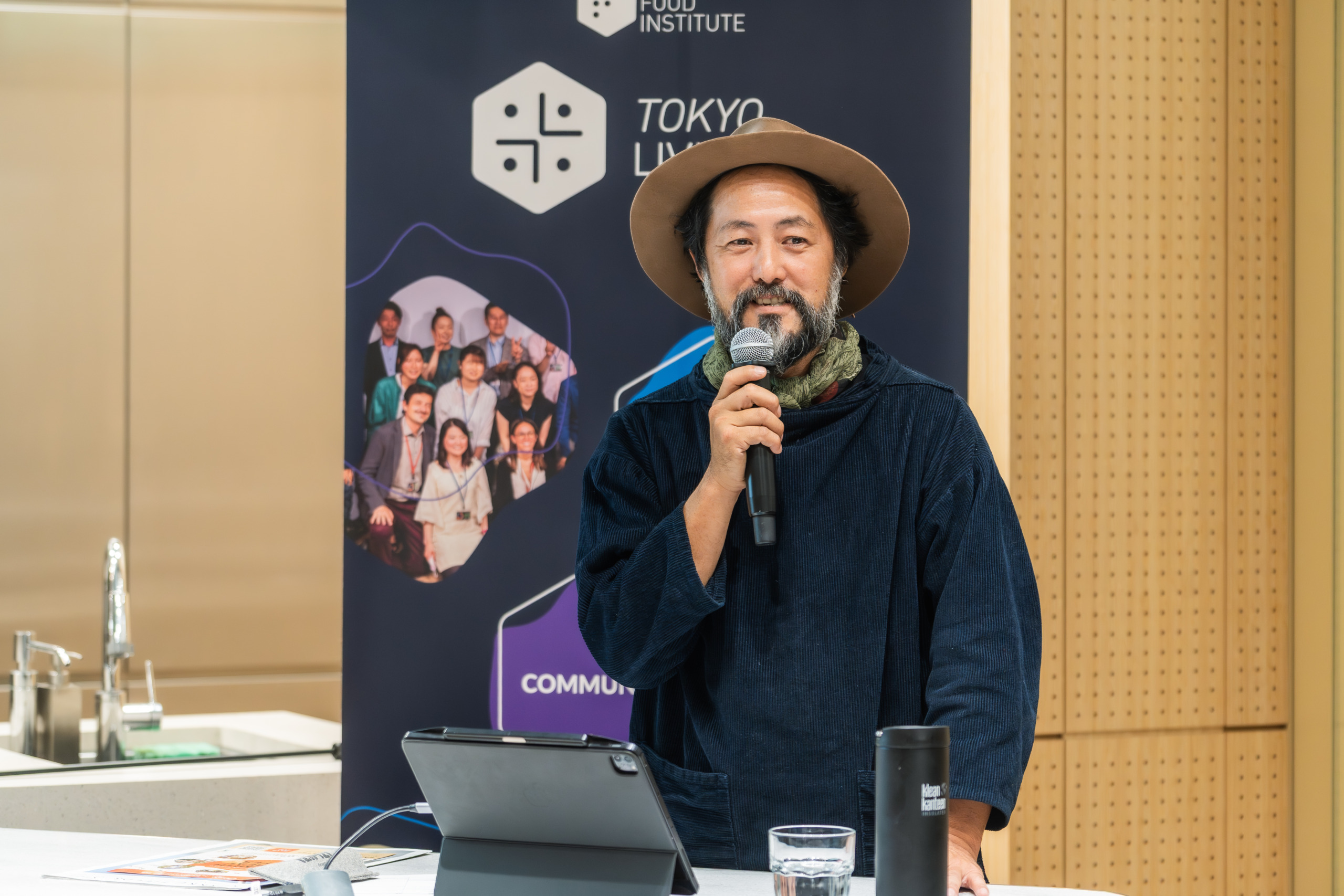
The guest speaker was Tsuyoshi Sato of KURKKU FIELDS, a sustainable farm and park located in Kisarazu City, Chiba Prefecture, where new forms of living oriented toward a sustainable future are being actively practiced and proposed. Together, participants engaged in a dialogue on regenerative ways of rethinking the relationship between cities, nature, and food.
The guest speaker for the sixth Inspiration Talk was Tsuyoshi Sato of KURKKU FIELDS Inc. Born and raised in Shibuya, Tokyo, Sato grew up closely connected to nature. He studied outdoor education at university and, in his early twenties, worked as a nature guide on Amami Ōshima while searching for an ideal way of living. His career later took him through Patagonia International Inc.’s Japan office and the specialty supermarket Fukushima-ya, before he went independent by launching a leather craft brand. In 2021, he joined KURKKU FIELDS—an organization with which he had a long-standing personal connection.
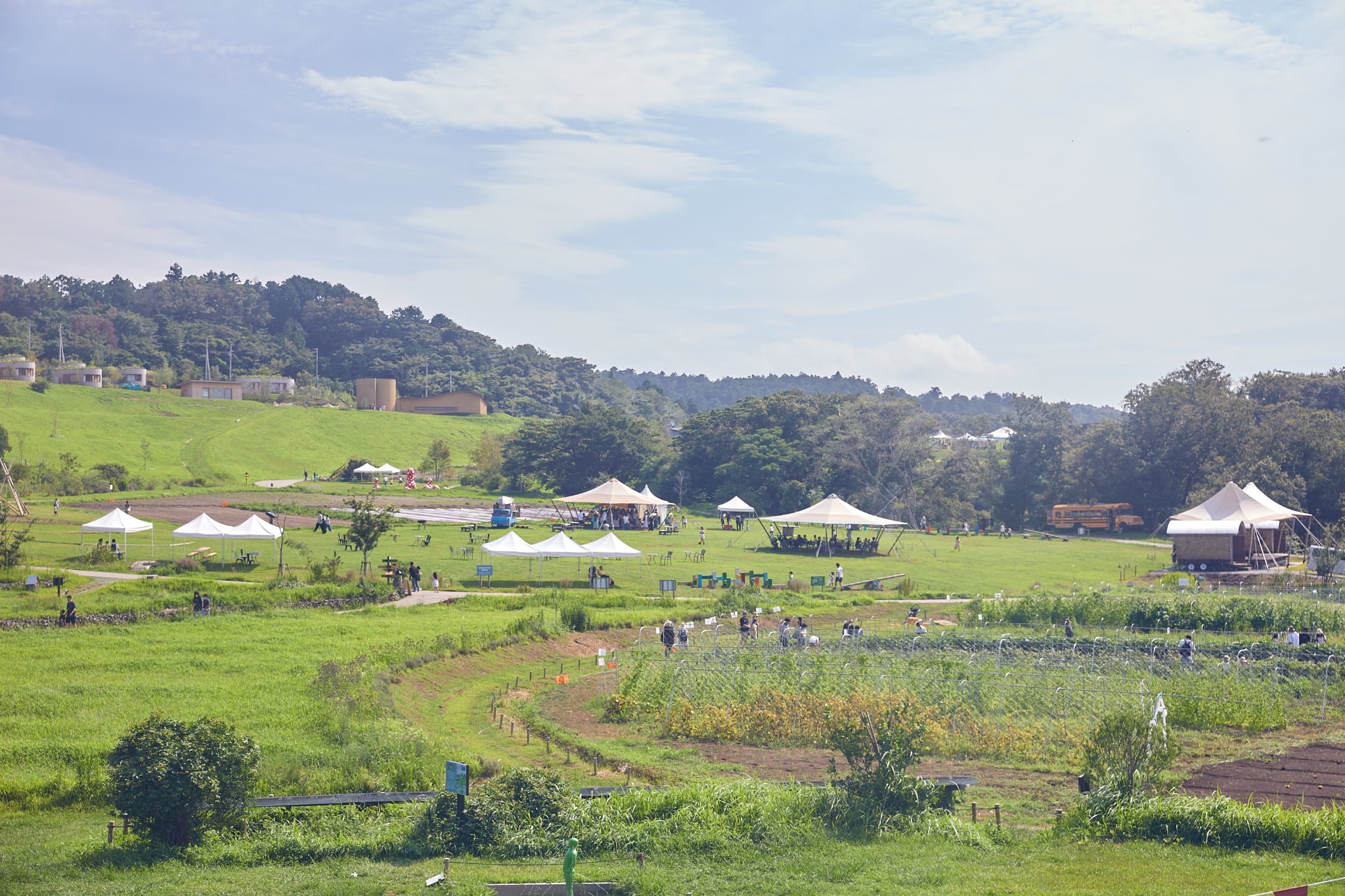
The sustainable farm and park KURKKU FIELDS is a place dedicated to practicing and proposing ways of living oriented toward a sustainable future, integrating agriculture, food, energy, and nature. Located in Kisarazu City, Chiba Prefecture, the site spans approximately 30 hectares—an expansive area roughly equivalent to six Tokyo Domes.
The concept of KURKKU FIELDS as a “sustainable farm and park” traces its origins back to 2003, to a vision held by the company’s CEO and music producer Takeshi Kobayashi. In the aftermath of the September 11 terrorist attacks that year, Kobayashi began questioning what he could do as a musician. Together with Ryuichi Sakamoto—an internationally acclaimed composer and environmental advocate—and Kazutoshi Sakurai, the lead vocalist of Mr.Children, one of Japan’s most influential rock bands, he co-founded the nonprofit organization ap bank.
Through ap bank’s activities, Kobayashi came to the realization that “what we eat and primary industries are inseparable.” Around fifteen years ago, he established the agricultural company Tagayasu and began farming. In 2019, the site was opened to the public as KURKKU FIELDS—a place where these ideas could be experienced firsthand.
At the talk, Sato introduced KURKKU FIELDS’ concrete initiatives through three core pillars: agriculture, food, and art.
At the heart of the agricultural pillar is the farm itself. KURKKU FIELDS raises around 1,000 free-range chickens, producing approximately 600 eggs per day. Another distinctive feature is its dairy operation: the farm keeps 23 water buffalo—still extremely rare in Japan.
“Currently, KURKKU FIELDS is probably the only place in Japan capable of producing domestically made water buffalo mozzarella,” Sato noted.
In addition to the on-site farm, the company also operates off-site fields certified under Japan’s Organic JAS standard. During peak season, for example, eggplant harvests can reach up to 800 kilograms per day. These crops are used within KURKKU FIELDS and also supplied to retailers such as AEON Group and Oisix.

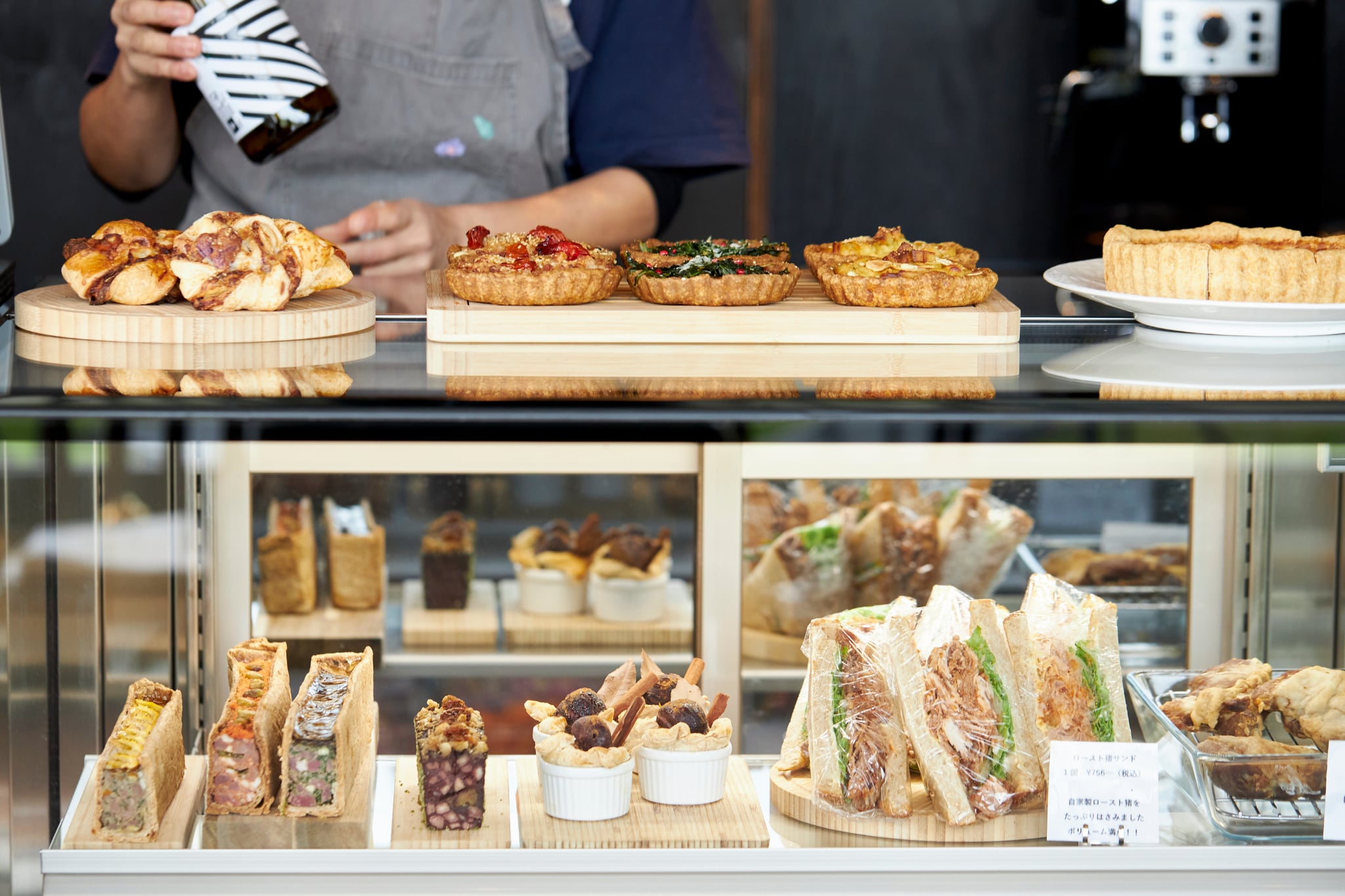

The site is home to a variety of food offerings, including a dining restaurant serving wood-fired pizza, a bakery using wheat grown on-site, and a restaurant specializing in game meat.
“Wildlife damage caused by animals destroying crops is a serious issue for farmers,” Sato explained.
Wild boar, deer, and muntjac (kyon) brought in by nearby farmers and registered hunters—around 30 people in total—can amount to as many as 1,500 animals per year in peak years. KURKKU FIELDS enforces a strict rule: only animals processed within 30 minutes of being culled are accepted for food use.
“The flavor is so clean that, if you ate it blindfolded, you wouldn’t even realize it was game meat,” Sato said.
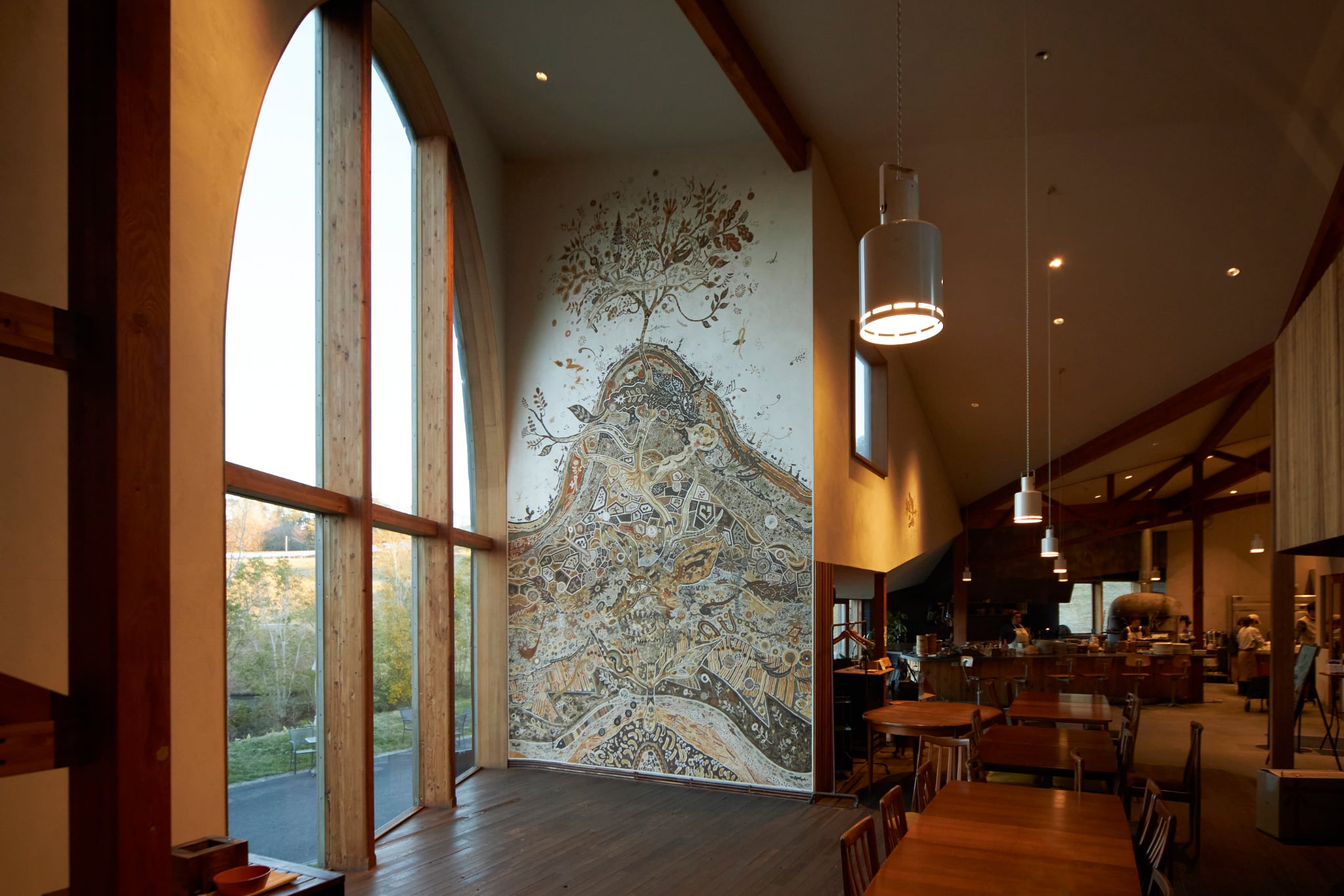
More than ten artworks are displayed throughout the grounds, including pieces by Yayoi Kusama. This reflects the philosophy of Takeshi Kobayashi, who believes that changing society requires not only rigor, but also the ability to reach and resonate with a wide audience.
“Rather than appealing to a sense of duty or righteousness, we want people to enter through feelings like ‘this is fun,’ ‘this is delicious,’ or ‘this feels right,’” Sato explained. “Art, in that sense, has the power to hit you like a punch the first time you encounter it. From there, it can become a catalyst for changing how visitors think.”
Beyond food and art, KURKKU FIELDS’ activities extend into education. Around 10,000 people visit annually through school excursions and corporate training programs. The site also features the Underground Library, housing a collection of approximately 3,000 books; the accommodation facility cocoon, developed from concept with Akira Minagawa of minä perhonen; and the trailer-style TINY HOUSE VILLAGE. Today, the organization continues to grow, with its staff expanding to a team of around 100 people.

The initiatives at KURKKU FIELDS are also marked by a thorough commitment to environmental stewardship. The land they acquired had originally been cleared as pastureland in the postwar period, then left neglected for decades, turning into wasteland. The project began with a simple act: three founding members spread compost collected from neighboring farms across the site.
In 2021, KURKKU FIELDS installed Chiba Prefecture’s first mega solar power facility on the premises. By leveraging Japan’s feed-in tariff (FIT) system at its initially high purchase price, the project now generates annual revenue of tens of millions of yen while supplying approximately 83% of the site’s total electricity consumption.
Circularity is embedded throughout the system. In terms of “soil circulation,” the approximately 500 kilograms of manure produced daily by the 23 water buffalo is not treated as waste, but converted into compost that supports the farm. For “water circulation,” wastewater processed through on-site treatment tanks is further purified using bio-geo filters that harness the power of microorganisms and plants.
“Legally speaking, the water quality meets regulatory standards, but we still see too much organic matter in it,” Sato explained. “As a result of these efforts, fireflies have started appearing along the small stream carrying the treated water since around last year. We truly feel that the ecosystem is becoming richer. When we began this project, we weren’t consciously using the word ‘regenerative,’ but as a result, regeneration is clearly taking place.”
This year, the organization also articulated a new mission—“Cultivating life and designing hope”—along with a vision of “creating a future where people can feel both happiness and hope,” setting 2050 as its benchmark year. To realize this vision, four core values were defined: breaking free from conventional thinking and taking on challenges; devoting care and effort while pursuing quality without compromise; trusting and supporting one another in pursuit of the best outcome; and, as Sato described it, “the most difficult challenge of all”—having the courage to confront one’s own inner self and break through personal limitations.
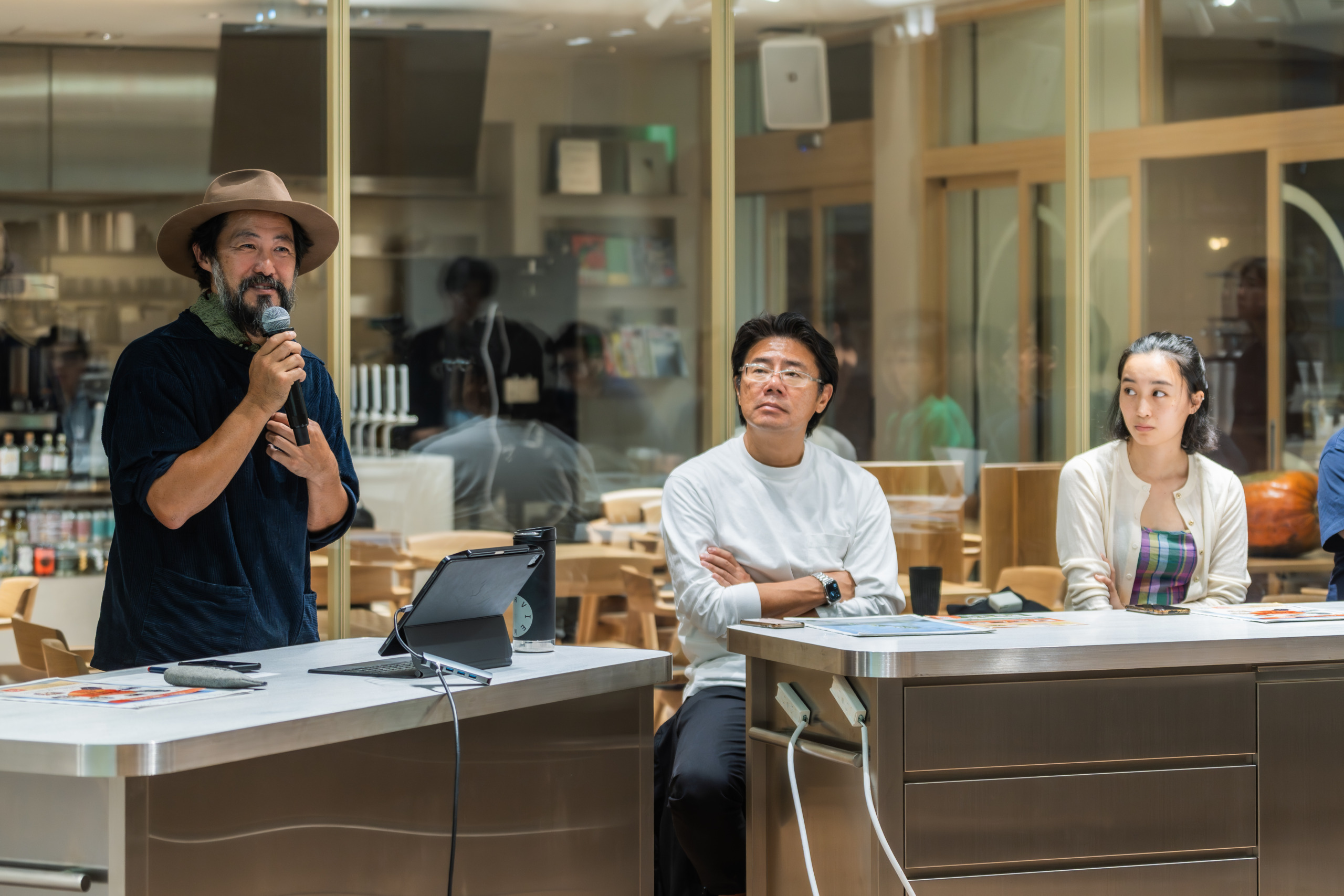
“Tokyo is a rational and stimulating city, which is wonderful in many ways, but it can also be a place where it’s hard to feel genuine human connection or coexistence with nature,” Sato said. “That’s why we believe KURKKU FIELDS, located in nearby Chiba with easy access from the city, can serve as a place that helps people reconnect with that sense of coexistence.”
According to visitor surveys conducted at KURKKU FIELDS, responses often go beyond impressions of products or services. Many visitors share reflections such as “I felt emotionally healed,” or “It feels like losing a grandmother’s home or my old school if this place didn’t exist.” These voices suggest that the farm and park is fulfilling a role not of providing material value alone, but of quietly supporting the human spirit.
In the forthcoming Part 2, the session continues with a Q&A between participants and Sato, followed by a workshop in which attendees share moments of “nature they’ve recently felt in their daily lives.” Joined by the moderator, Masanori Fukada of the Future Food Institute, the discussion builds on Sato’s insights to explore practical ways of living a “regenerative life” within the urban context.
(Text by Michi Sugawara / Photographs by Shuji Goto)
Born in 1980 and raised in Shibuya, Tokyo, Sato grew up immersed in nature, influenced by parents who loved the outdoors. He specialized in outdoor education in both high school and university. In his early twenties, he worked as a nature guide on Amami Ōshima while searching for an ideal way of living.
He later spent nearly a decade at Patagonia International Inc.’s Japan office, where he deepened his understanding of the relationship between the environment and business. Drawing on a long-standing personal interest in leathercraft, he went on to establish an independent, hand-stitched leather brand, focusing on leather as a material that bridges clothing and food.
In 2021, Sato joined KURKKU FIELDS in Kisarazu City, Chiba Prefecture. At this sustainable farm and park—dedicated to practicing and proposing new forms of societal well-being—he works hands-on each day to support systems where people and nature coexist, striving to understand the land and ensure that the environment functions in harmony. Through his work, he shares both practical initiatives and underlying philosophies with those who visit the site.