
Preserve or Reinvent? Rebranding the Otaki Useful Plants Garden by Bringing Plants into Everyday Life 【Inspiration Talk Vol. 11, Part 1】
On April 15, 2026, the 11th session of Regenerative City Inspiration Talk — Envisioning a Regenerative Urban Future from Tokyo was held at Tokyo Living Lab in Yaesu, Tokyo.
The guest speaker was Naoto Uemura, who led the rebranding of a botanical garden in Otaki, Chiba Prefecture, with a 50-year history. By reframing herbs as useful plants, he helped reinvent the facility, creating new spaces with locally sourced bamboo and reclaimed materials. At the same time, the transformation revealed a gap in expectations between the renewed garden and some of its longtime supporters. Part 1 explores the philosophy and struggles behind this transformation.
Naoto Uemura is a producer who brings together food, space, and creativity under a single vision. His career spans consulting at Nomura Research Institute, creative direction at a design firm, commercial facility development, and corporate branding. For the past three years, he has devoted much of his energy to renewing the Otaki Useful Plants Garden, formerly known as the Otaki Herb Garden, in Otaki, Chiba Prefecture.
With a history of nearly 50 years, the garden was acquired by Universal Engeisha in 2023 after its previous operator went bankrupt. The company’s chairman made what Uemura describes as an almost instinctive decision to take it over. Uemura later joined the rebranding project through an introduction from Rei Horie, founder of the craft gin brand HOLON.
For Uemura, however, the project is about more than simply renovating a facility. He sees it as a process of generational transition—inheriting the culture built by those who came before and passing it on to his own generation and those that follow.
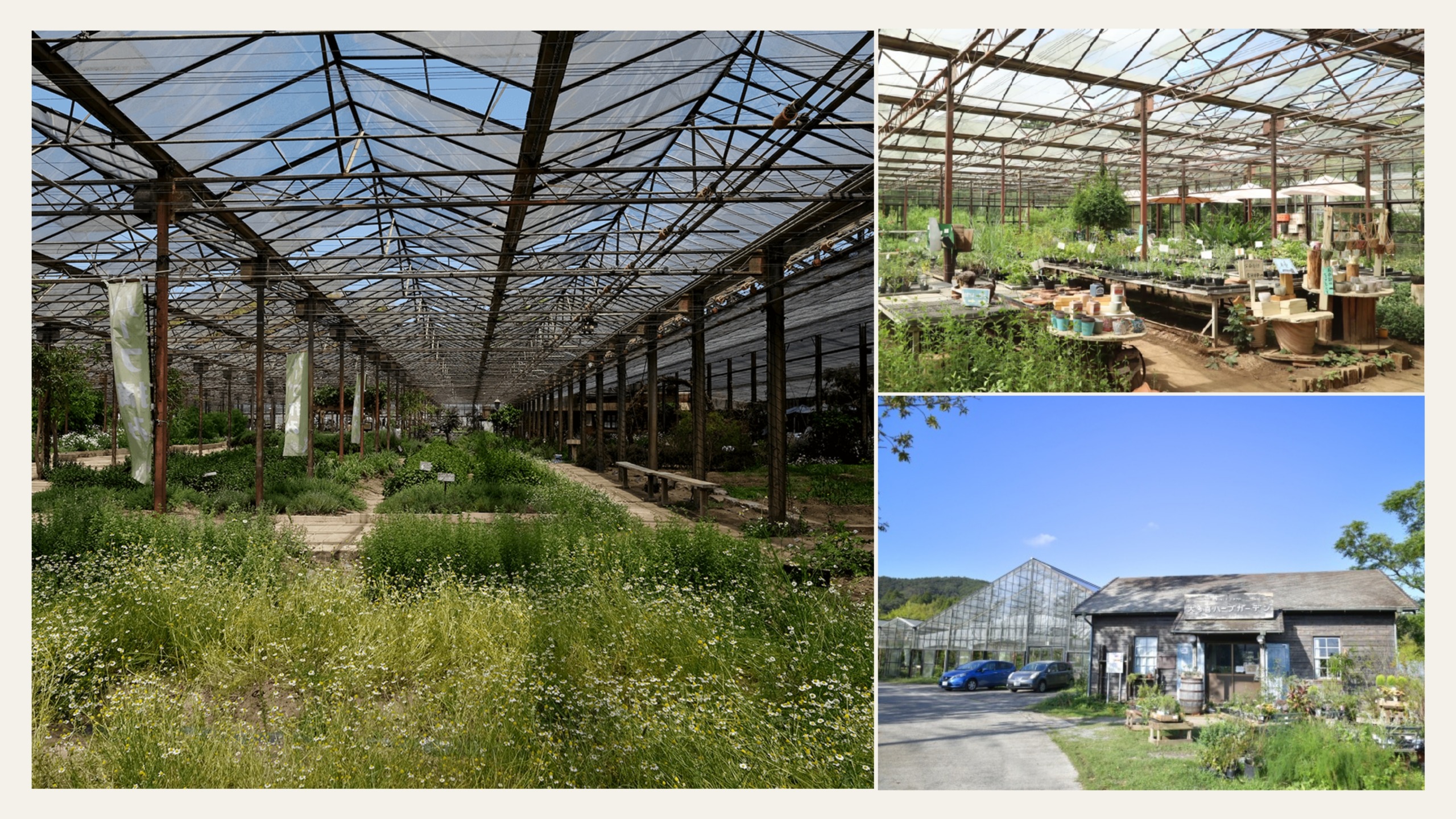
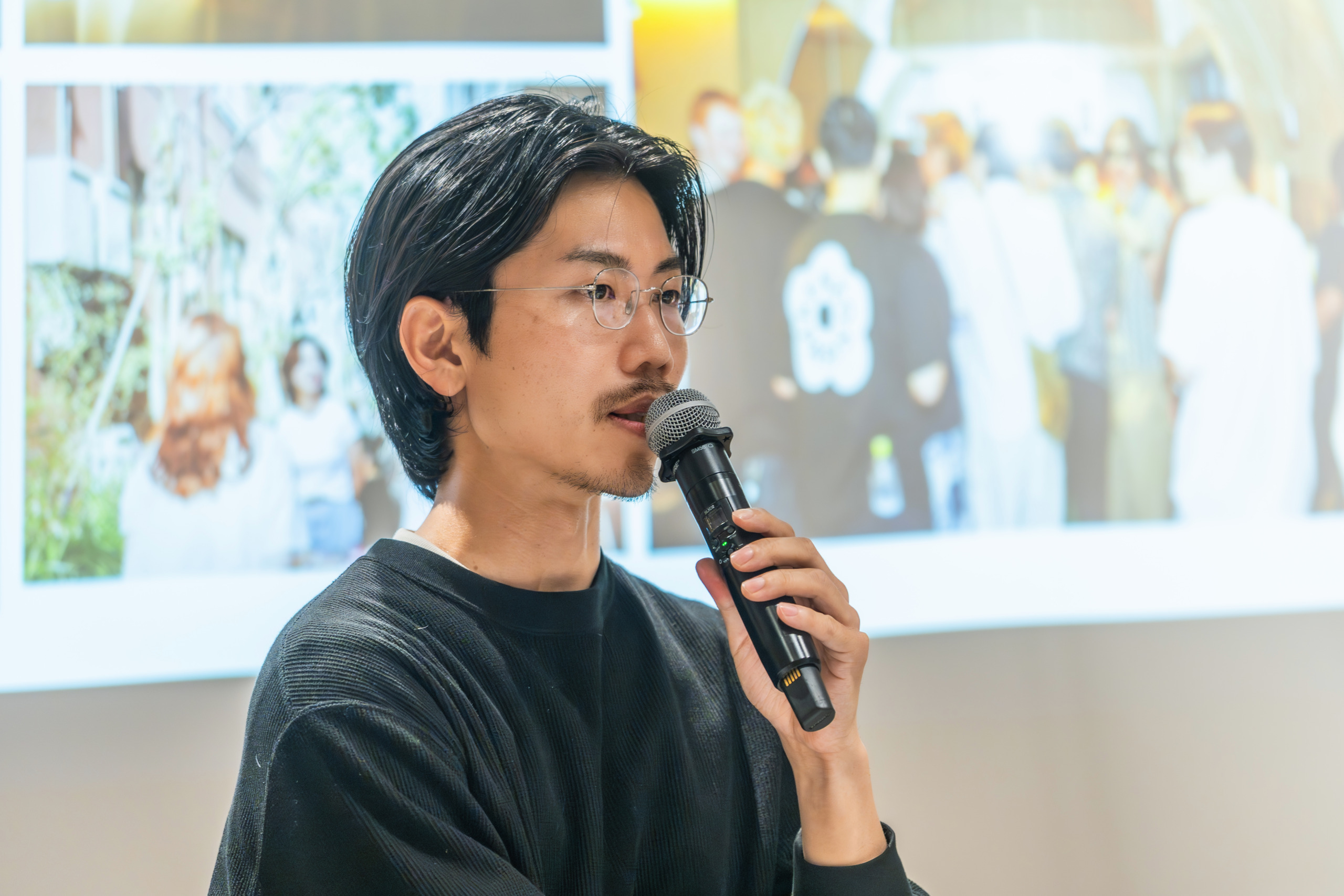
“In regional projects, we often discuss how to reshape what is already there. Rather than tearing down an old facility and building something new, the question is what parts of the culture we inherit from the past and what parts we reinterpret in our own way. I see that process as a form of regeneration through dialogue between generations—something different from simply updating or renovating a place.” (Uemura)
What Uemura emphasized in moving the project forward was a search for its identity. Rather than seeing the outdated tourist facility as simply a physical structure, the team set out to redefine its meaning through their own philosophy. They placed highly personal questions at the center of the discussion: “Do we really need this?” and “Is this somewhere we would want to bring our friends?” Over several months, Uemura and the client repeatedly returned to these questions in a series of sessions.
“Rather than borrowing someone else’s culture, the context already beneath our feet can become our greatest source of uniqueness. Recognizing that context and giving it form without compromise ultimately creates a strong foundation for the project.” (Uemura)
At the heart of the renewal was the concept of “useful plants,” which is now reflected in the garden’s name. While the word “herb” has often been understood narrowly as referring to aromatic plants associated with the West, this project broadened the concept to include plants that have some connection to people’s everyday lives.
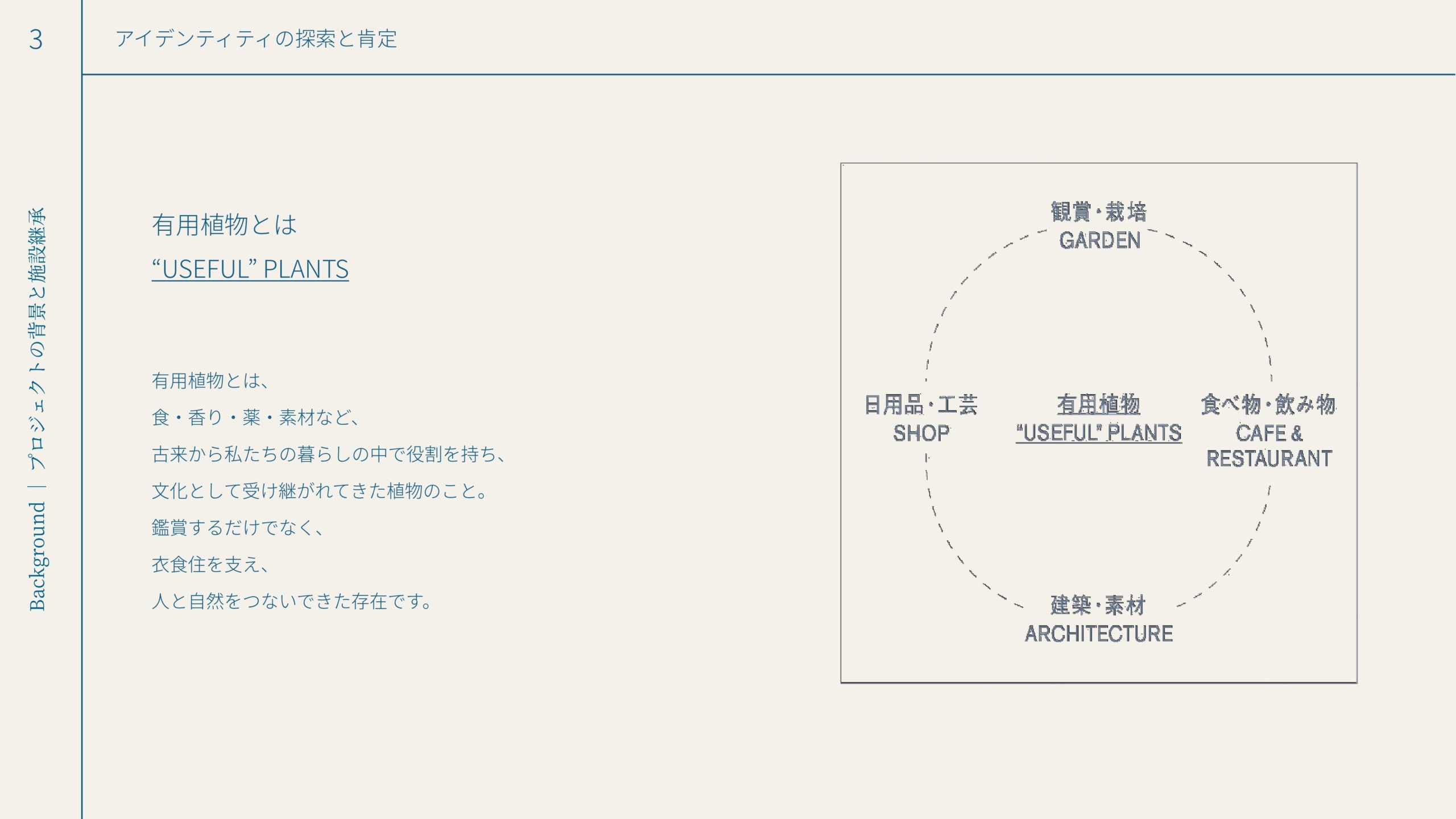
“Whether we see a plant growing by the roadside as nothing more than a weed, or recognize it as something useful that can become part of our lives, depends on how closely we look. That difference in perspective can create a new relationship between people and plants. By carrying forward the knowledge of how earlier generations used plants in everyday life, while reinterpreting their value through contemporary design and technology, we can give that knowledge new relevance today. That, to me, is what the idea of ‘useful plants’ at the Otaki Useful Plants Garden is all about.” (Uemura)
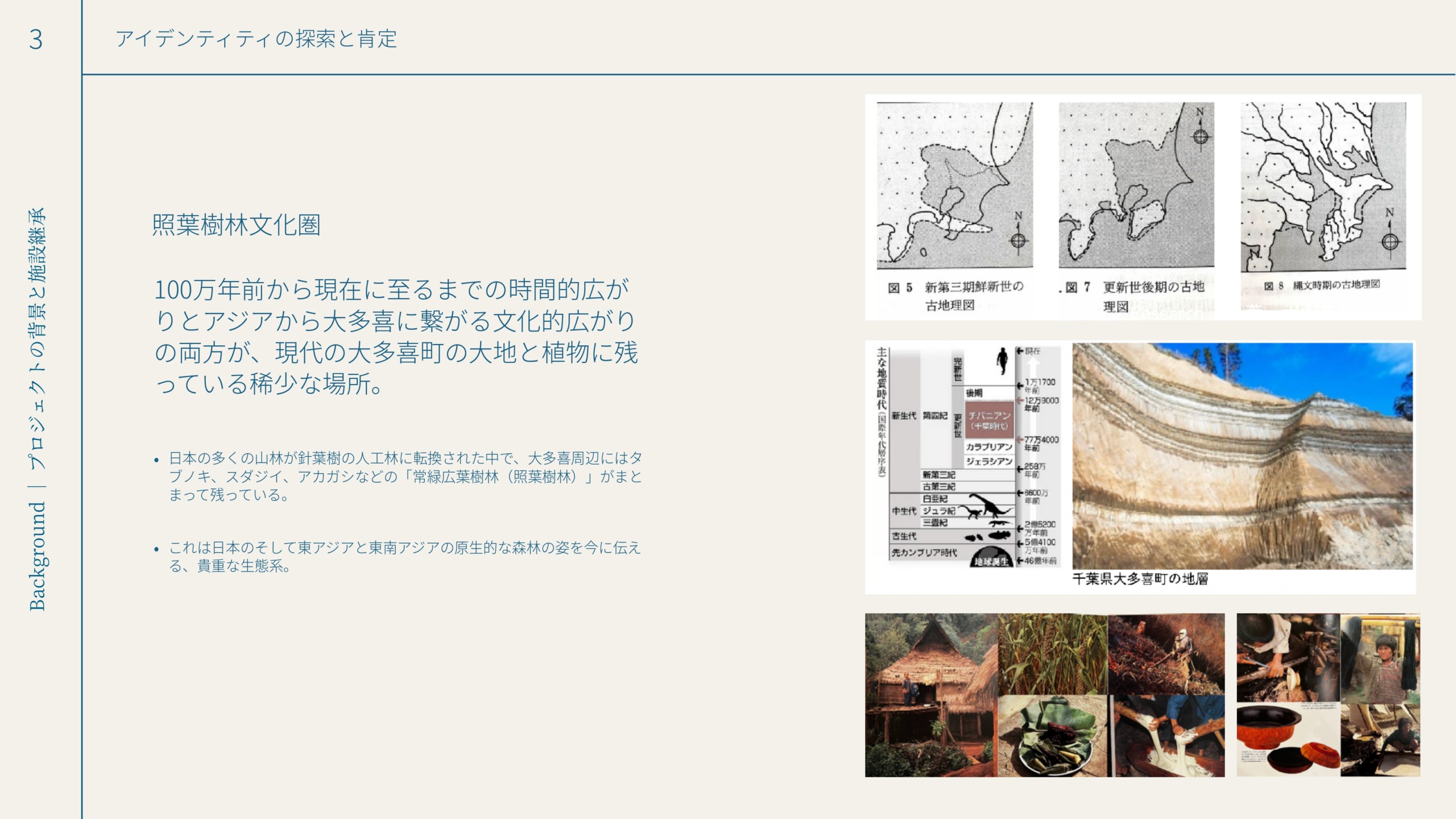
As the project developed, the team turned its attention to the concept of evergreen broadleaf forest culture, which traces the roots of plant-based cultures across Japan and Asia. (Editor’s note: The theory proposes that regions of Asia characterized by evergreen broadleaf forests, including Japan, developed shared cultural practices such as fermented foods and lacquerware.)
By focusing on the specific context of Japan—and Chiba in particular—the team explored the world-famous Chibanian geological formations and the region’s distinctive ecosystem. This led to the decision to specialize the garden in useful plants from Japan and Asia. Drawing on the familiar yet vibrant culture associated with evergreen broadleaf forests as a guiding framework, the team also hopes the garden’s distinctive character will resonate with visitors from overseas as a place where urban residents can reconnect with a sense of nature that has gradually been lost.
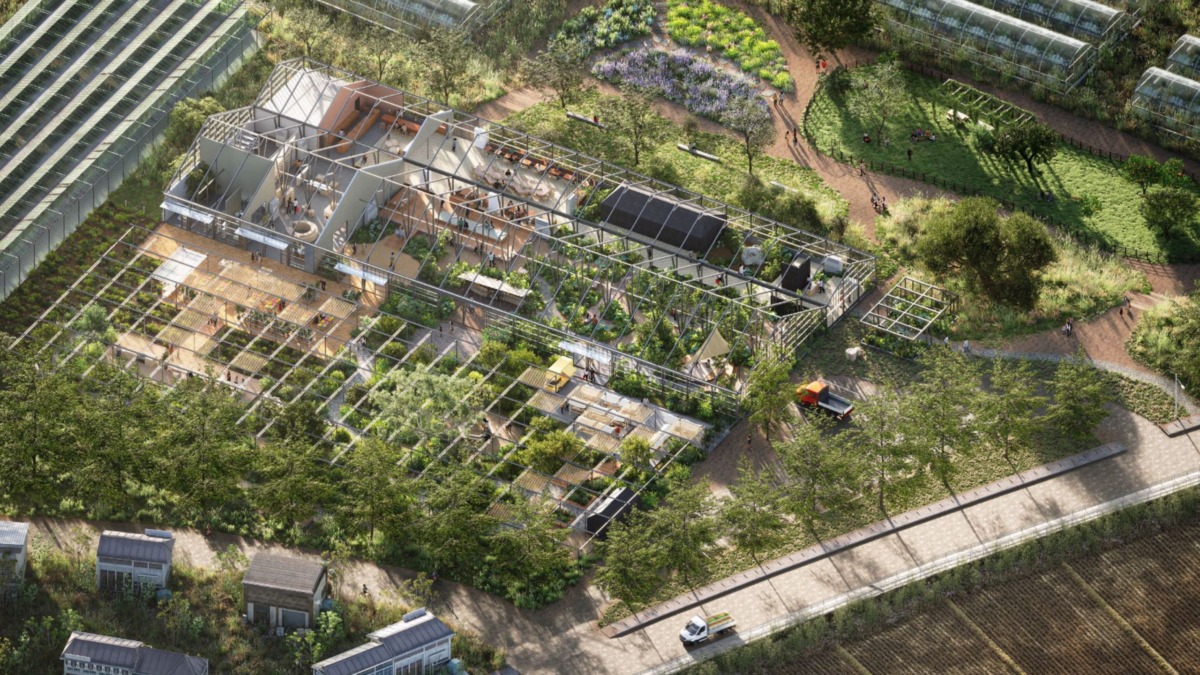
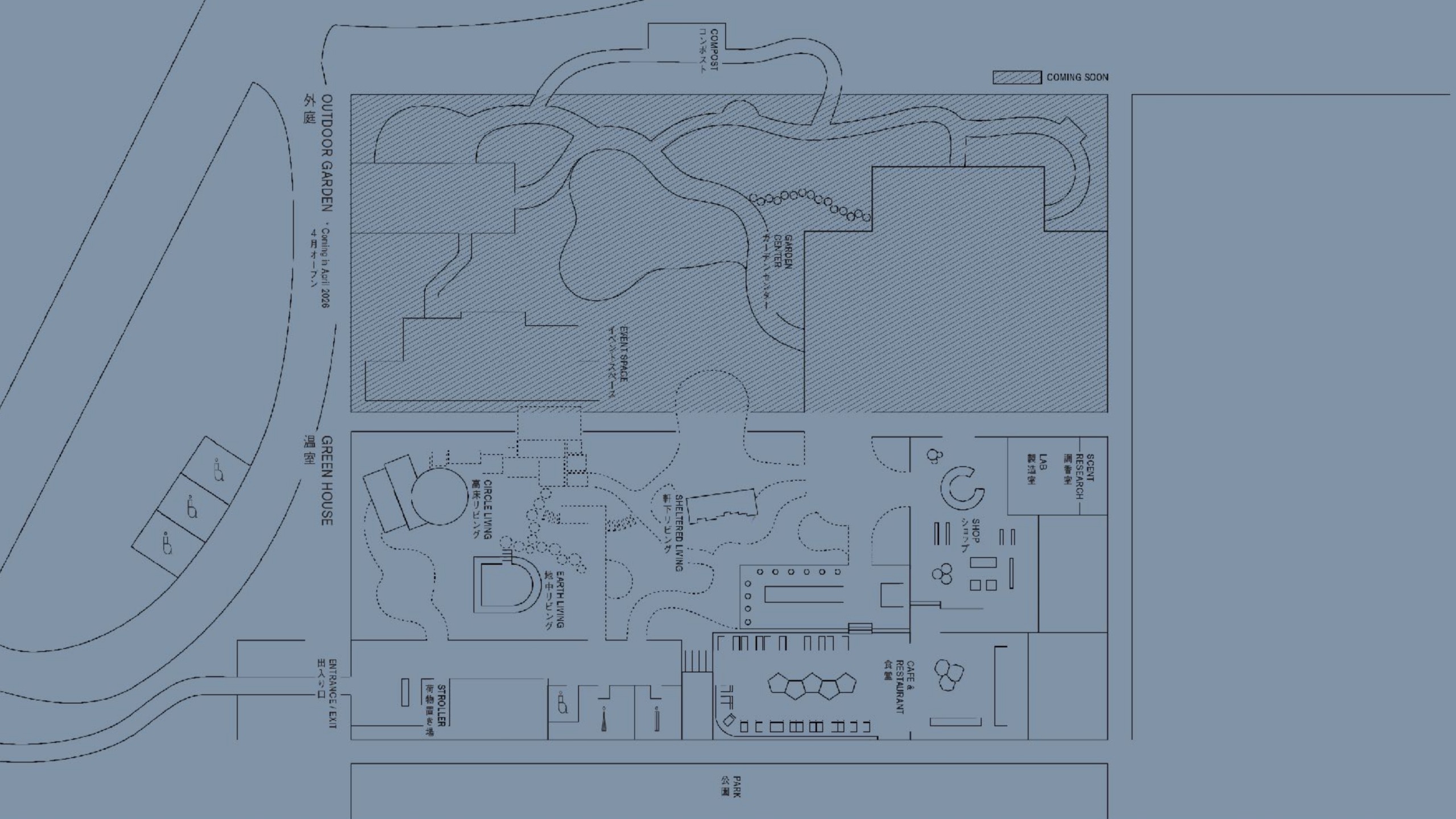
The spatial design of the Otaki Useful Plants Garden also seeks to combine local resources with craftsmanship and creativity. One of its most distinctive features is the use of locally sourced bamboo from Otaki as an architectural material. The bamboo roof in the garden’s “Garden Living” area incorporates traditional Balinese techniques and is designed so that individual bamboo pieces can be replaced as needed.
Another striking feature is a massive table approximately 20 meters long. Its bamboo framework was made in Bali and finished using the same plastering technique as an earthen wall. The entire structure was assembled without using a single nail.
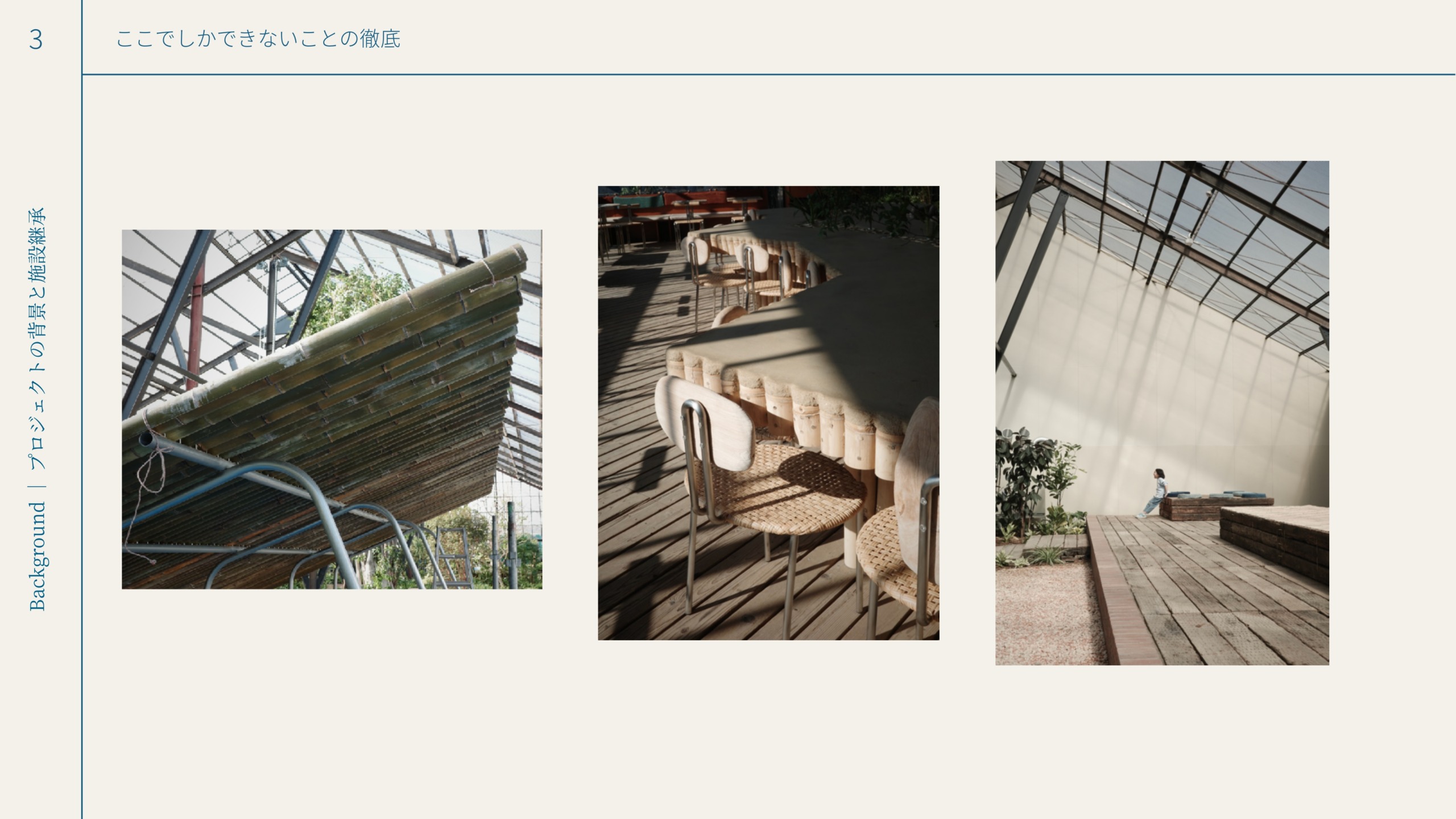
“When we made the table, the bamboo was naturally curved and the plaster was slow to dry, so there was a real concern that it might not be ready for opening day. But precisely because we were working with natural materials beyond our control, a unique texture emerged. And the difficulties we faced during the making process eventually became stories to share with staff and visitors, creating a deeper sense of attachment to the place.” (Uemura)
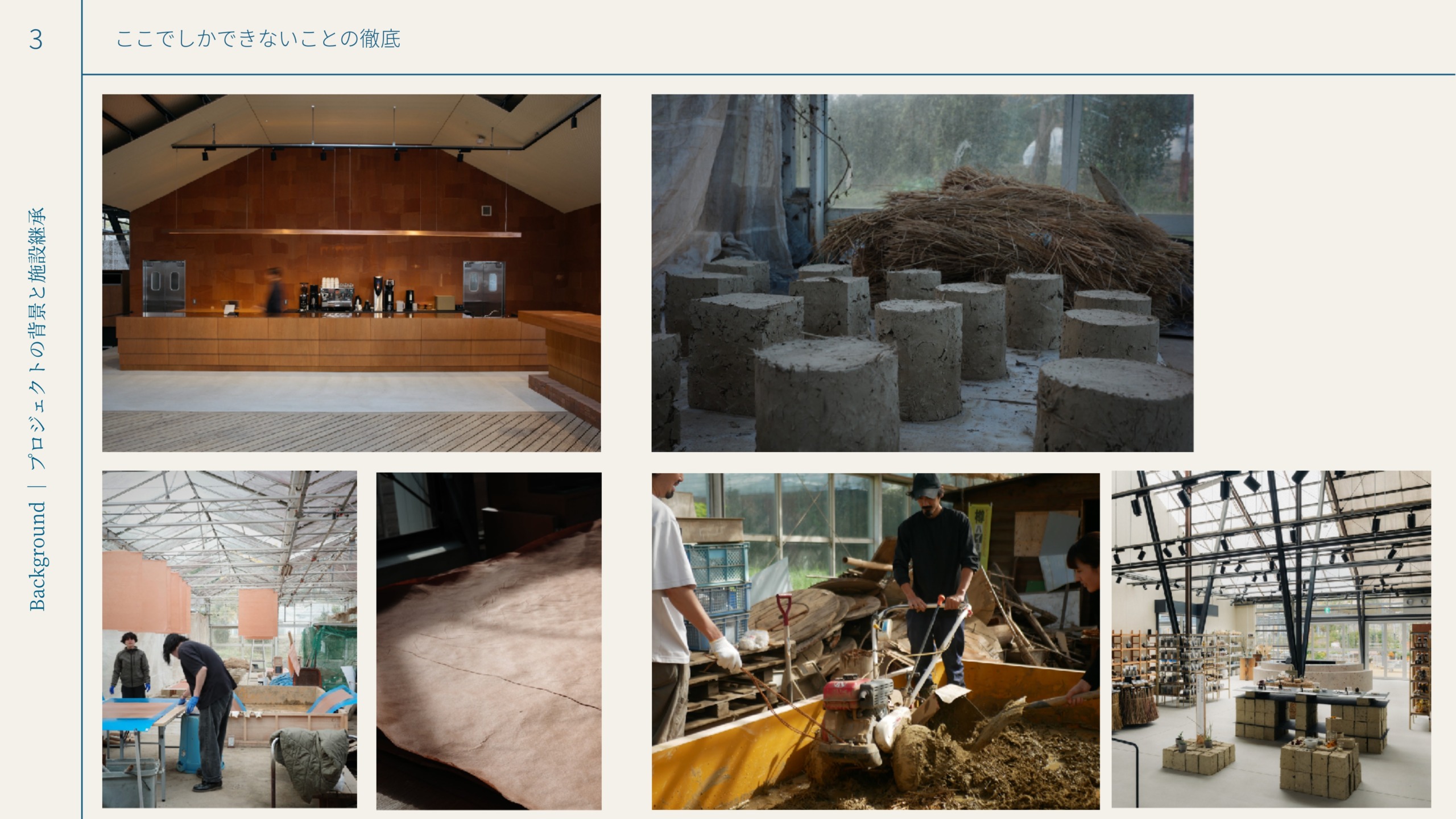
Elsewhere in the garden, this connection to the land and the idea of regeneration by their own hands can be seen throughout: a wooden deck made from old railway sleepers salvaged from the former facility, walls layered with washi paper hand-dyed by the staff using persimmon tannin, and sun-dried bricks made together with local residents.
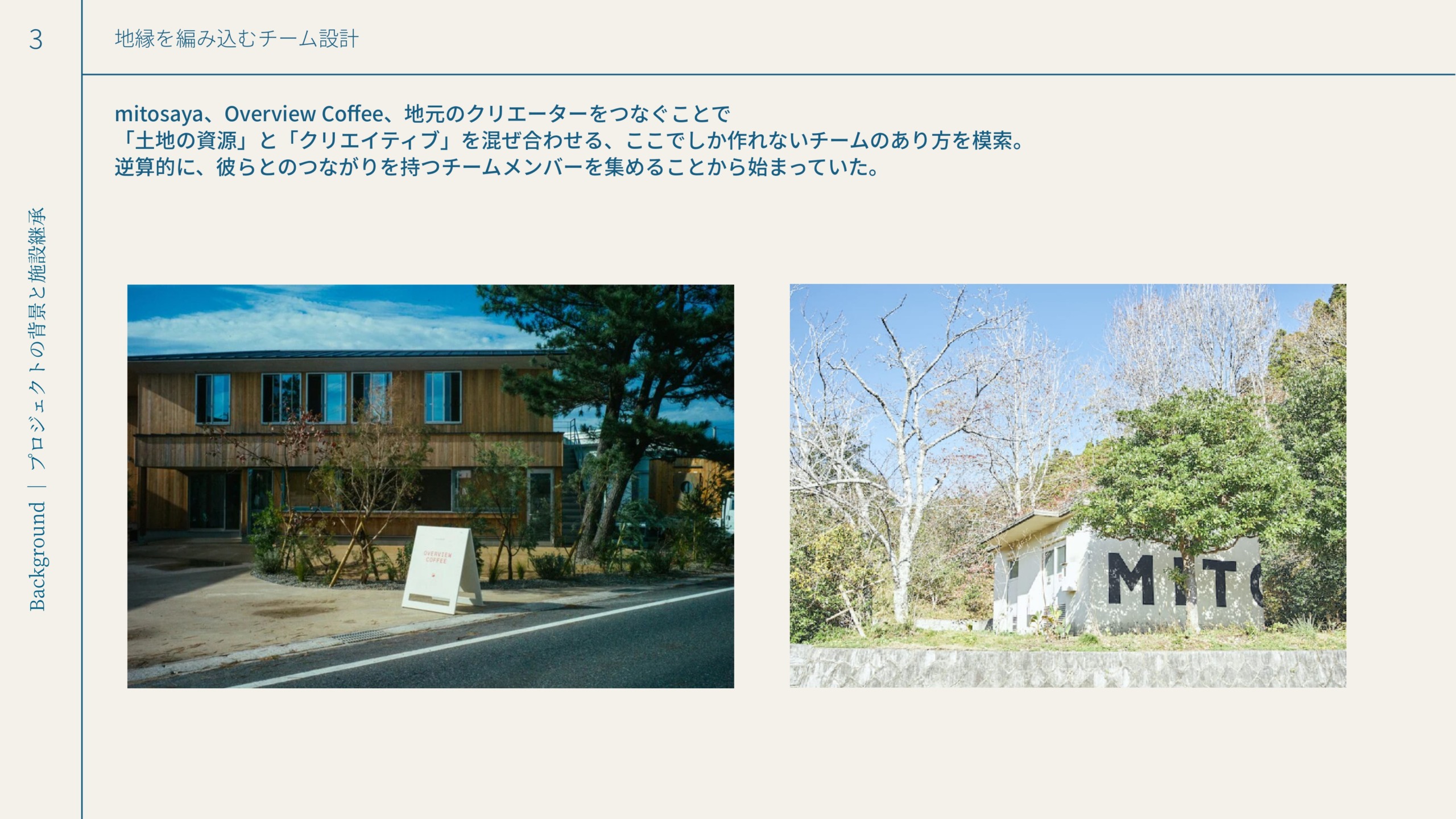
The project is supported by a diverse group of people who share similar values and a sense of community. The team includes architects and interior designers, a pioneer in specialty coffee, a chef from a renowned wood-fired restaurant, and a bartender specializing in non-alcoholic drinks made with plants.
Alongside people Uemura had already built strong relationships with, the project also actively drew on local connections unique to the area. These included mitosaya, a distillery based in Otaki, and Overview Coffee, a specialty coffee shop in Ichinomiya, Chiba. By gradually building relationships with creators and businesses already rooted in the region, and by entrusting construction work to a local company, the team carefully cultivated trust with the community. This created an environment where people coming from outside could become part of the local network, bringing together the area’s resources with contemporary creative ideas.
Over the course of three years, the team carried out a major renovation of the site. Behind the scenes, they also worked carefully on less visible but essential tasks, including upgrading the aging facility’s infrastructure and coordinating with local authorities. A significant share of the project’s resources went toward this foundational work.
“Building this foundation was the most important and time-consuming part of the project. Taking on something incomplete and bringing it up to contemporary standards is an unavoidable part of the work of carrying a legacy forward.” (Uemura)
In April 2026, the garden finally reopened after its long-awaited renovation. But almost immediately, the team faced criticism from some longtime fans who had supported the facility throughout its 50-year history.
“I think the word ‘renewal’ may have led some longtime fans to expect an updated version of what had existed before. Although we called it a renewal, we were actually making a major shift in direction, and I think that may have caused some of the backlash.” (Uemura)
Even so, Uemura says, “I do feel sorry that we disappointed some people’s expectations. But I believe the essence of carrying a legacy forward is being willing to take risks, define what our own generation stands for, and build a business model with a view to recovering the investment over the next 10 or 20 years.”
In particular, in response to concerns about introducing an admission fee where entry had previously been free, he explains:
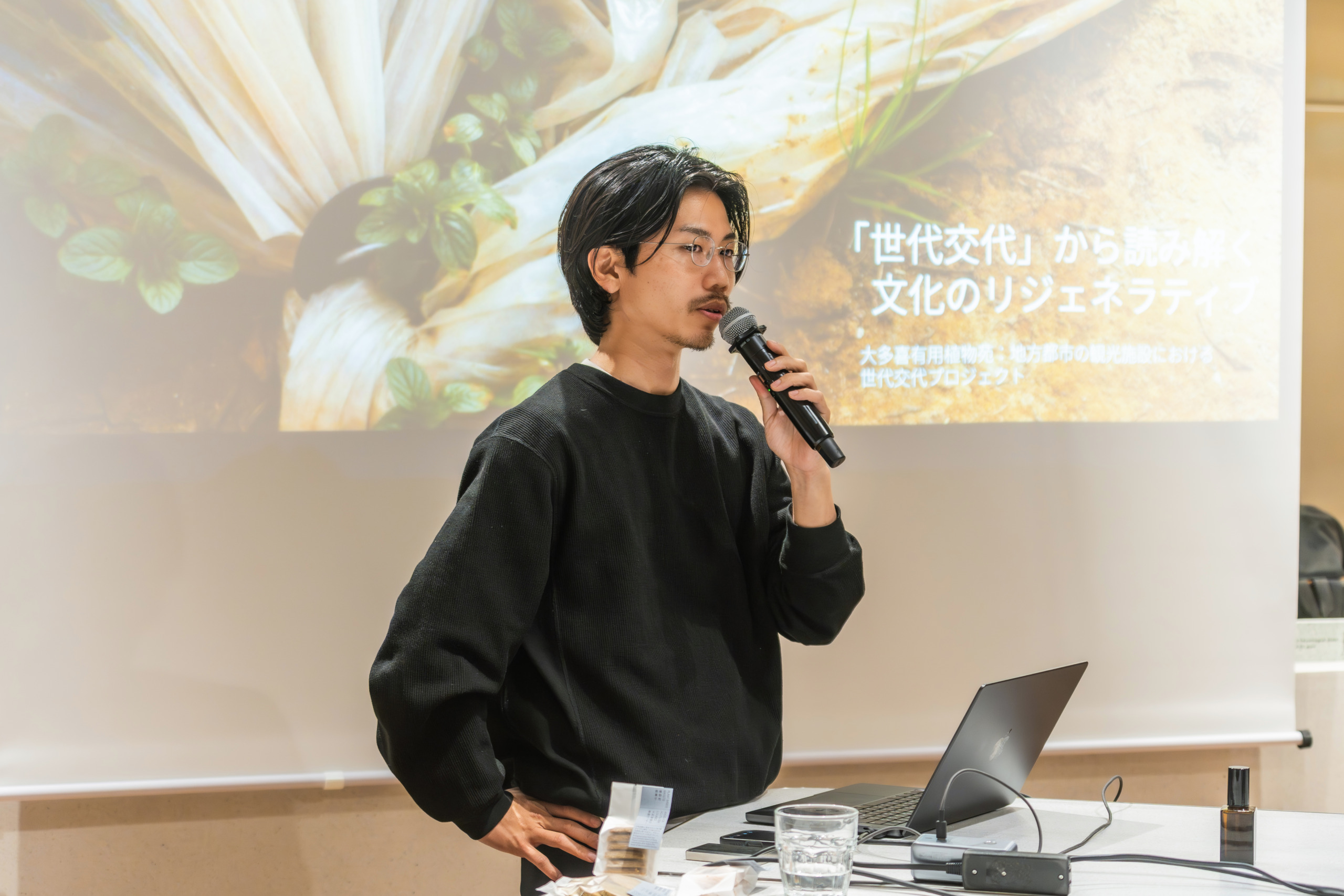
“Maintaining plants in beautiful condition, keeping the greenhouse climate-controlled, and continuing to employ gardeners all come at a considerable cost. Culture cannot be sustained unless we create a cycle in which people are willing to pay for things of value. Our goal, therefore, is to offer an experience so compelling—through guided tours, workshops, and other programs—that people feel it is worth paying admission to visit.” (Uemura)
While taking the valuable feedback from longtime fans, Uemura remains clear about the need to “raise the flag for our own generation.” In Part 2, we explore the garden’s vision for a new kind of role—the “plant editor”—as well as ideas discussed by participants for how the garden can become more deeply embraced by the local community and continue to evolve.
(Text by Michi Sugahara / Photos by Shuji Goto / Materials provided by Naoto Uemura)
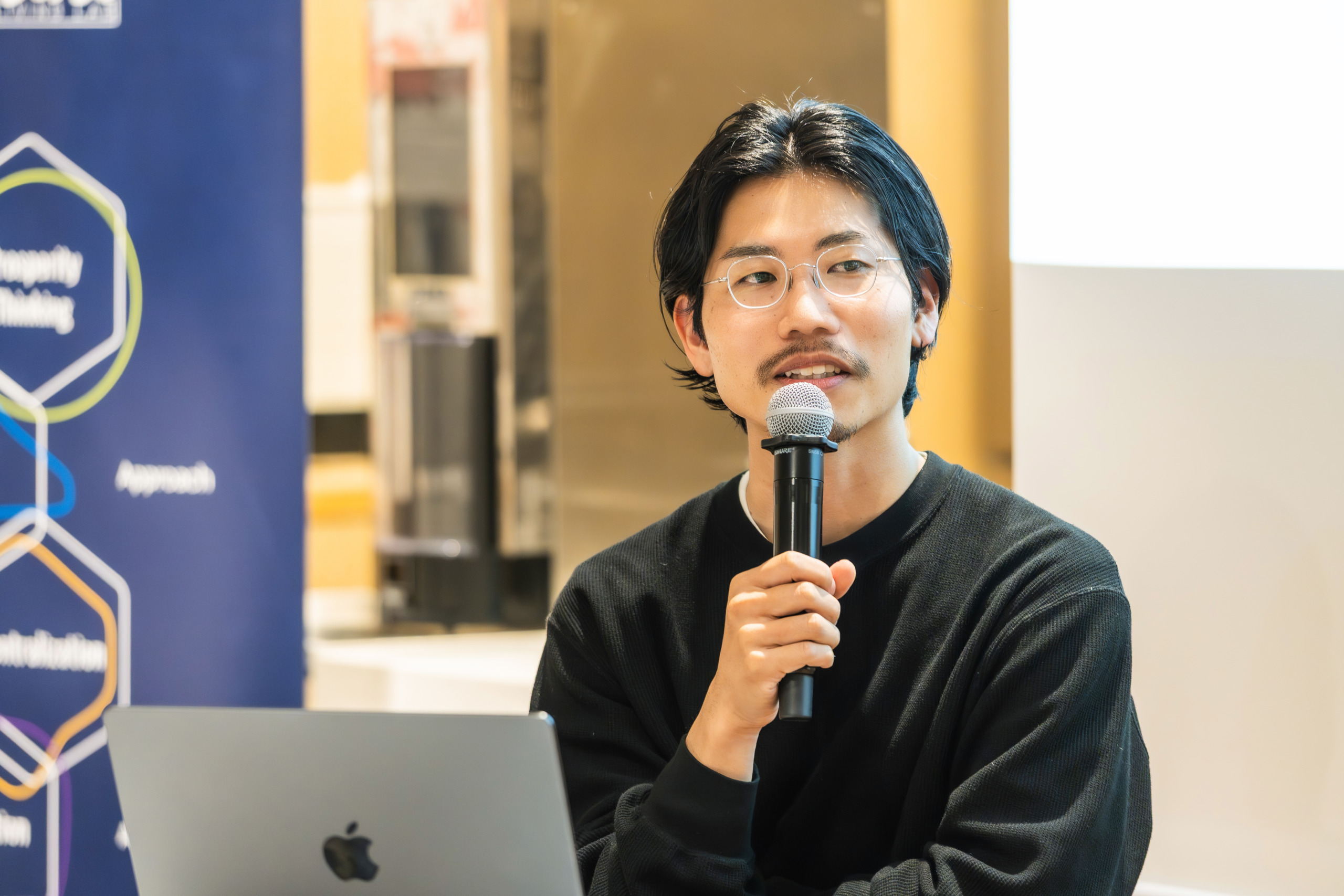
After working at Nomura Research Institute, Loftwork, and 301, Uemura became independent. He now works across fields where food, space, and creativity intersect, including the development of commercial facilities and cafés, regional accommodation projects, property leasing, and market event planning. Drawing on his experience spanning everything from system design to on-the-ground implementation, he takes an integrated approach to projects, overseeing them from strategy development through to operations.