
A Cycle That Saves Babies in Ghana, and Seeds of Happiness Taking Root in YNK — Discovering the Essence of Regeneration Through Action [Inspiration Talk Vol. 10, Part 2]
The theme of the 10th session of the ongoing event series Regenerative City Inspiration Talk — Envisioning the Future of Regenerative Cities from Tokyo was: “When Individual Benefit Naturally Becomes Public Good — How to Create Regenerative Projects That Make Everyone Happy, Through Lessons from Food Innovation.”
In [Part 1 of the report], guest speaker Yusuke Takahashi shared how his work in Saga, Kyushu, has evolved into a cycle that creates happiness for everyone involved. In Part 2, we follow his passion as it finally takes him to Ghana—a destination he had long hoped to reach. We explore the journey behind the Ghana Nutrition Improvement Project, from Takahashi’s all-out efforts to make it a reality to the partnership ultimately established with the Ghanaian government. We also look at the ideas for creating “small moments of happiness” in the Yaesu, Nihonbashi, and Kyobashi (YNK) area, inspired by Takahashi’s work and developed by participants during the session.
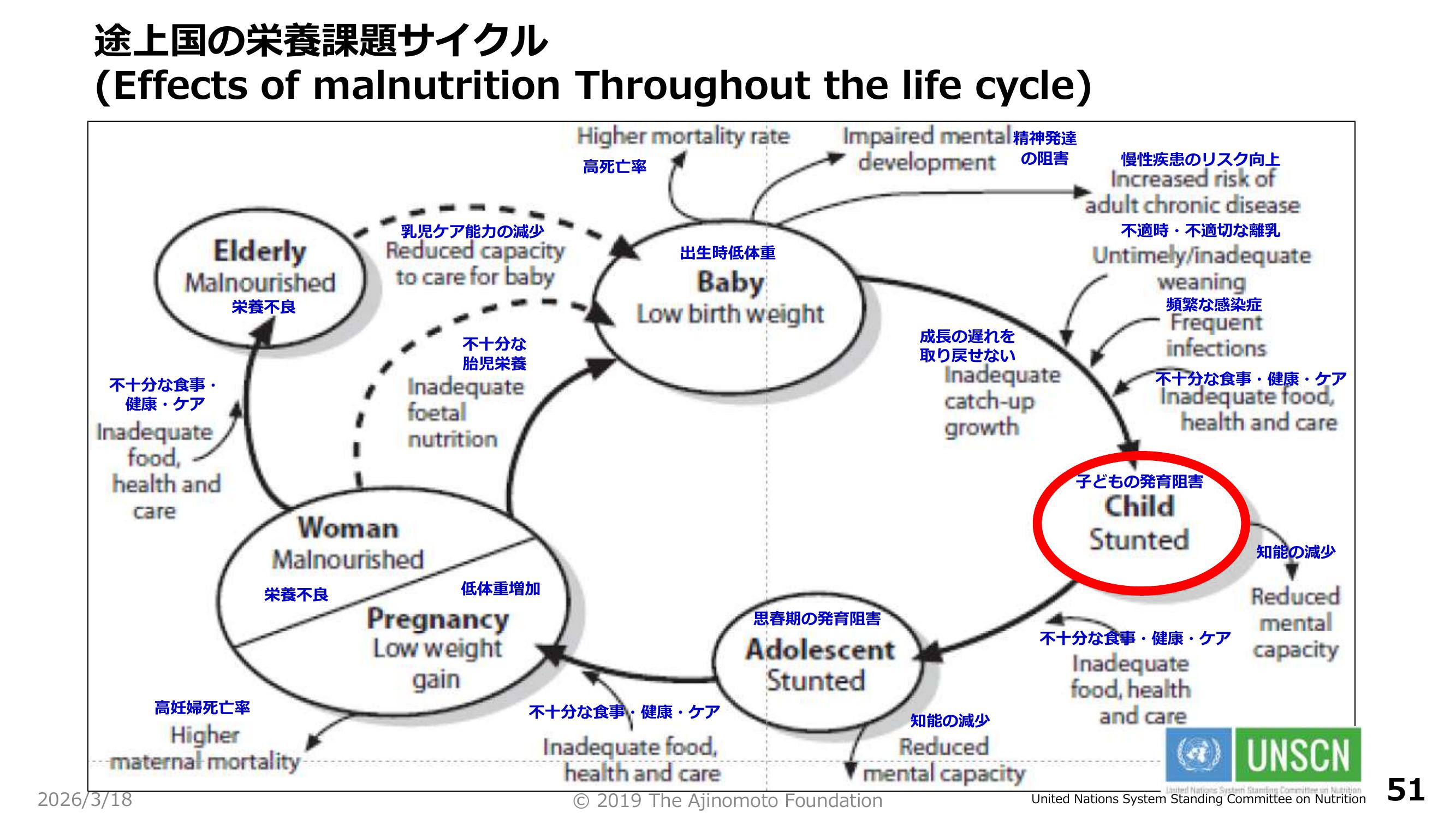
After building a track record through projects in Kyushu and Saga, Takahashi finally made his way to Ghana, where he had long hoped to work. He began by describing the serious reality of malnutrition facing the country.
Chronic undernutrition between the ages of six months and two years can lead to “stunting,” a condition that impairs both brain and physical development. Even if a child’s nutritional balance improves later in life, the effects cannot be fully reversed. This can make it more difficult for children to succeed in education and eventually achieve economic independence, perpetuating a vicious cycle that continues in Ghana today.
To illustrate the scale of the challenge, Takahashi cited the World Bank’s Human Capital Index (HCI), an international measure that estimates a child’s future productivity based on factors including health and education. While many developed countries score in the 80s on a 100-point scale, Ghana’s score is 44. One of the major factors behind this gap is stunting.
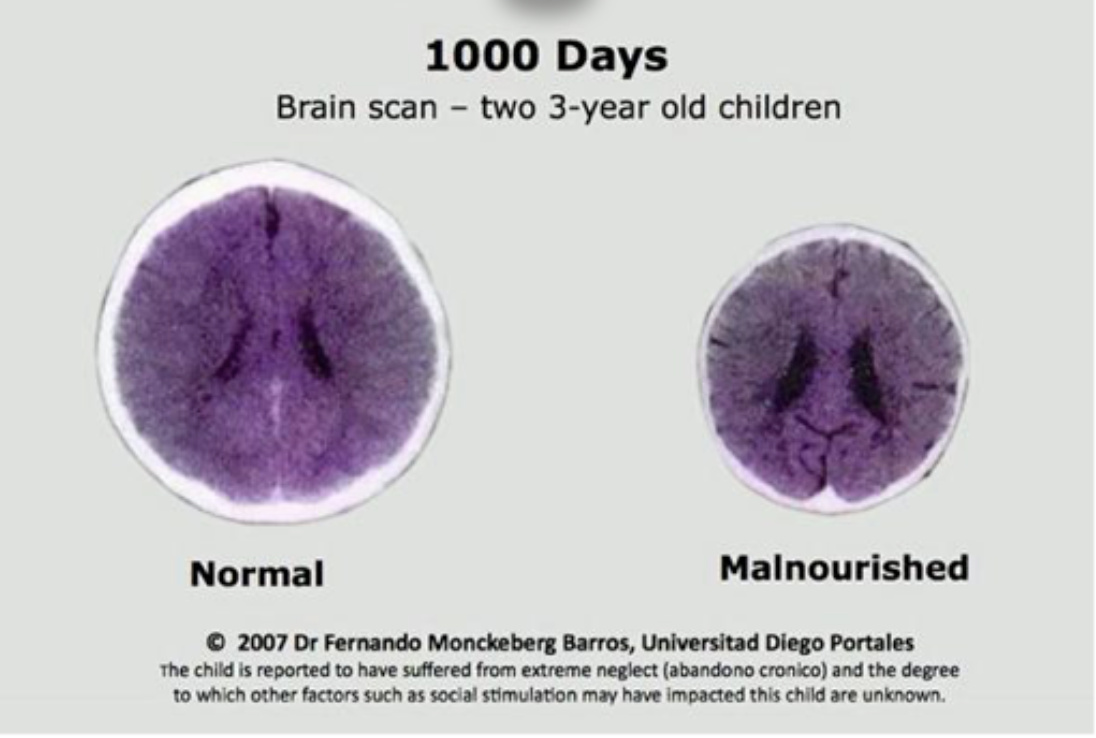
Editor’s note: The source material for the image “Brain size of a three-year-old child” is available [here].
“The process of brain development, which largely determines brain size by around the age of five, is irreversible. Once stunting occurs, children may struggle to fully benefit from education later in life, making it difficult to improve their economic circumstances and escape this vicious cycle. We believed that if we could apply amino acid technology to infant nutrition and help provide a more balanced diet, it could create enormous social impact by breaking this cycle,” Takahashi explained.
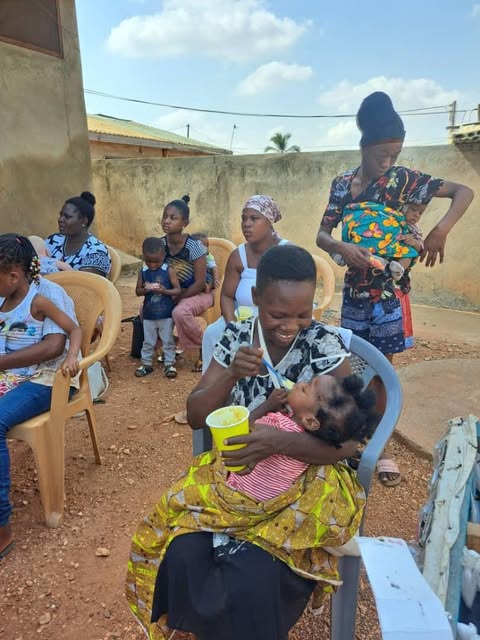
The result was a protein and micronutrient supplement powder that can simply be mixed into koko, a traditional Ghanaian corn porridge. The powder provides lysine, an amino acid, as well as protein, iron, and vitamins.
At the heart of the project is a market-based approach that does not depend on donations. Temporary free distribution alone would not provide a lasting solution: once the assistance ended, families could easily fall back into the same vicious cycle. What mattered was creating a self-sustaining system in which local ingredients are used, the product is manufactured and sold locally, and mothers choose to purchase it themselves to feed their children.
But developing an effective product was only part of the challenge. The biggest question was how to get it into the hands of the people who needed it. The project team, made up of both Japanese and Ghanaian members including Takahashi, focused first on nurses at local health facilities—the people mothers trusted most. Marketing research had shown that for mothers with young children in Ghana, nurses at local health centers were among the most accessible and trusted sources of guidance.
Based on this insight, the team worked through a public-private partnership to create what Takahashi describes as a “route of trust.” Nurses could identify signs of malnutrition through children’s health records, provide mothers with nutrition education, and introduce the product as one possible way to address malnutrition.
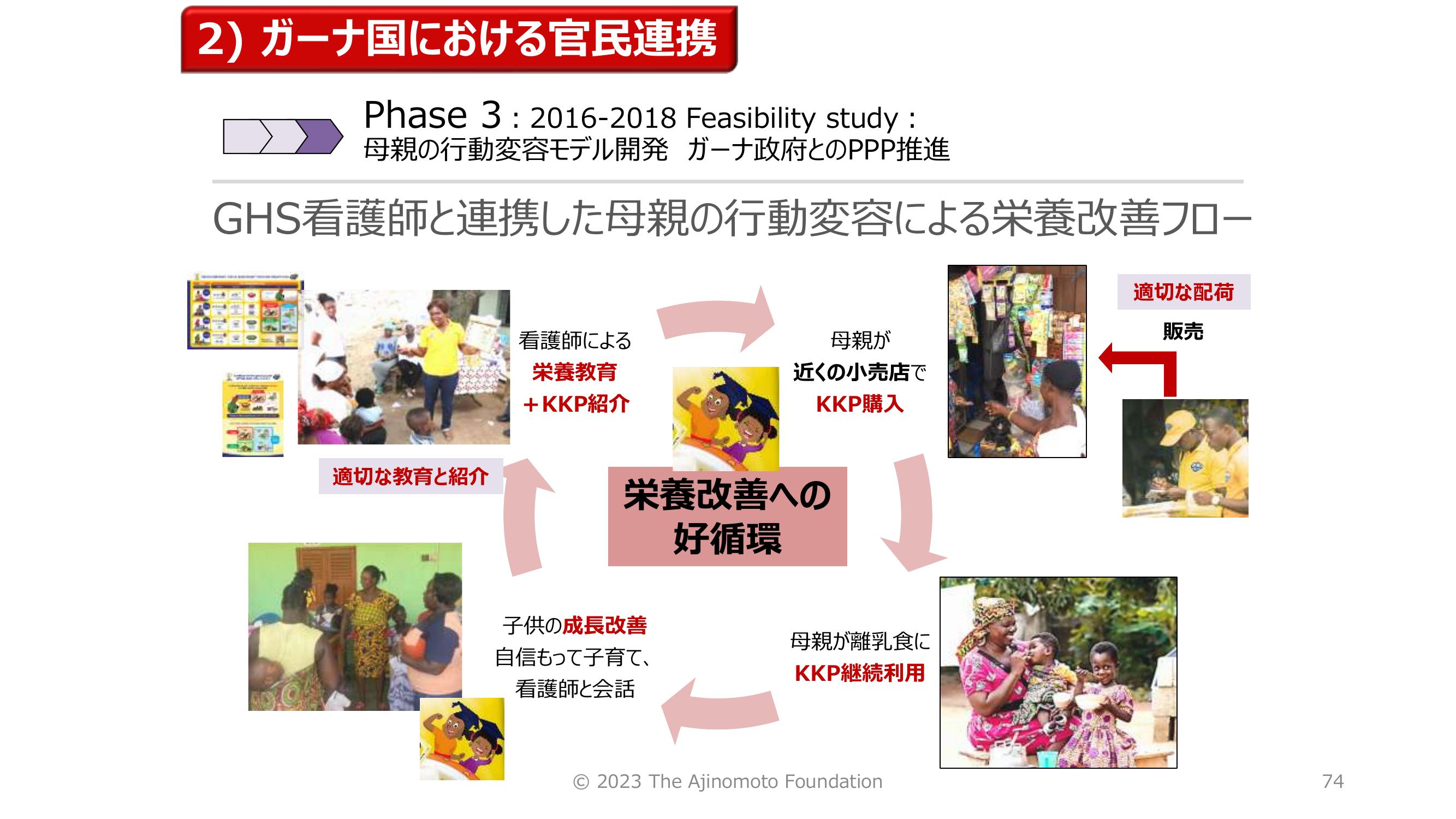
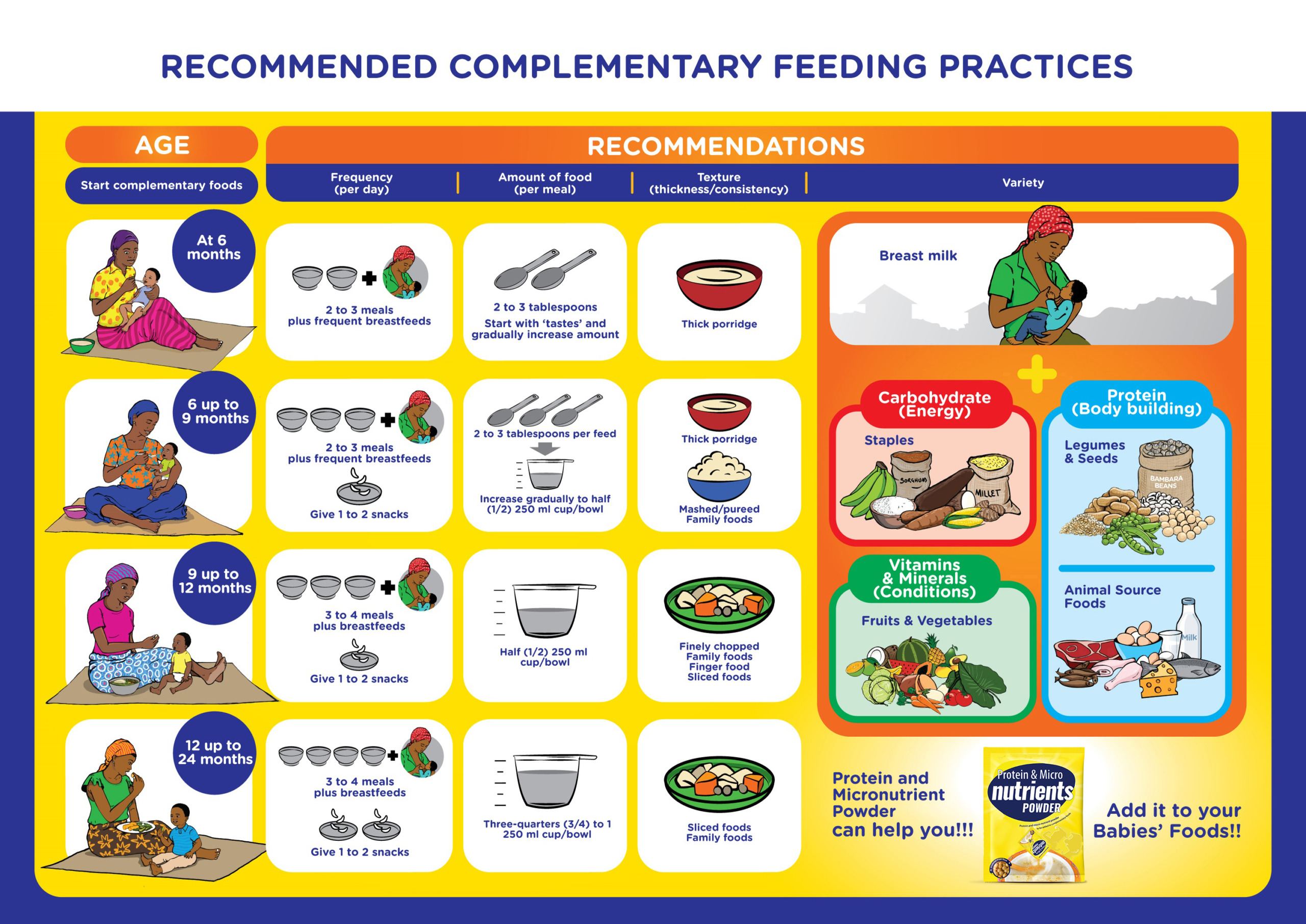
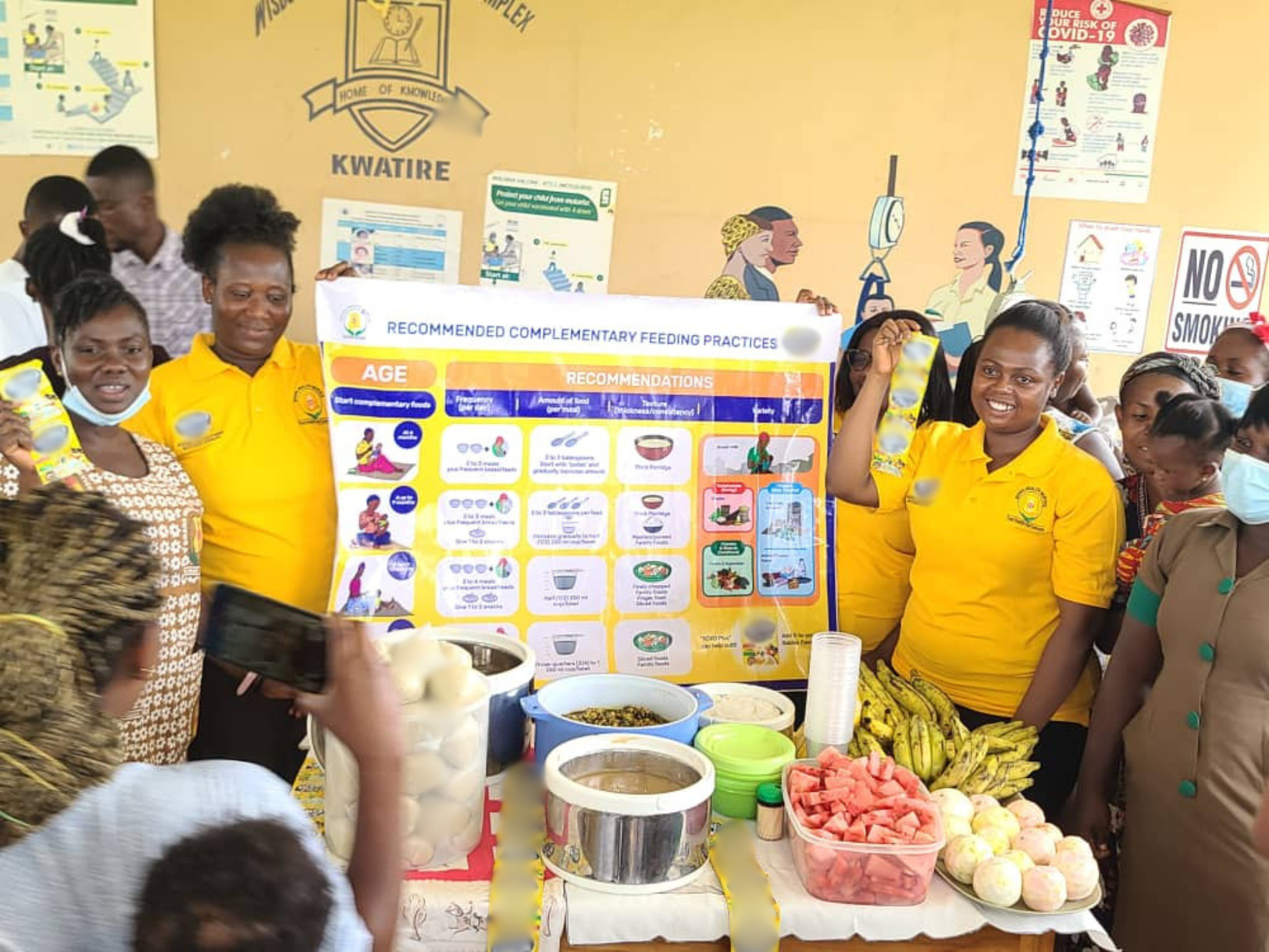
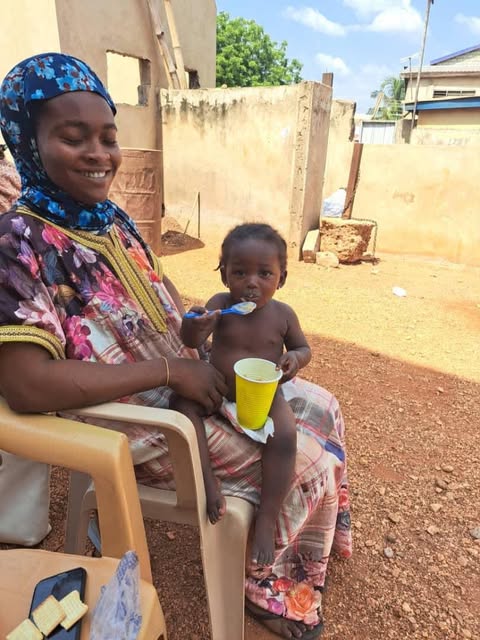
On the distribution side, rather than relying on existing wholesalers, the project introduced a “cash-based direct sales system.” Local sales staff were trained from the ground up and visited stores one by one, managing everything from inventory to product displays. By repeating this painstaking process day after day, the team eventually built a robust distribution network covering more than 10,000 retail outlets.
While this model worked well in southern Ghana, particularly in urban areas, expanding it to the sparsely populated north proved far more difficult. The region also faced a shortage of nurses, so the project experimented with other approaches. Specially trained local nutrition educators volunteered to teach communities through theater performances, while a microfinance-style initiative provided mothers with small loans so they could purchase products for resale.
Yet the team faced a fundamental challenge: although malnutrition was particularly severe in the north, achieving financial self-sufficiency there alone was extremely difficult. In response, the project adopted a cross-subsidization model aimed at achieving break-even across the business as a whole. The idea was to establish a strong business base in the more densely populated south and use the results generated there to support activities in the north—an approach that viewed Ghana as one interconnected market.
Although the project has not yet reached break-even, the team has persistently pursued this long-term strategy without being overly focused on short-term financial results. This perspective—ensuring the sustainability of the overall project across regions—is key to maximizing the number of people who can benefit from it.
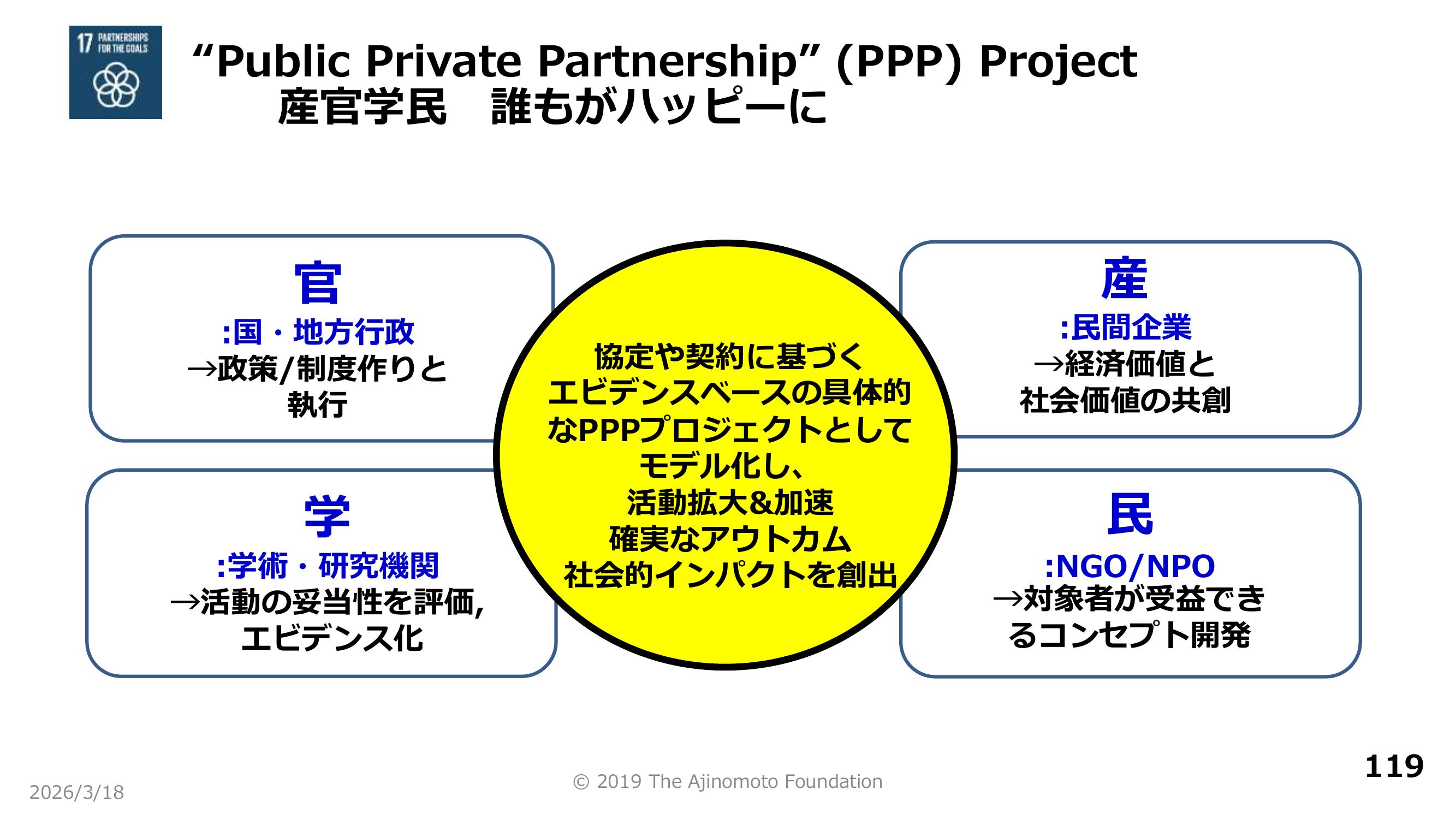
Today, the initiative has expanded beyond the foundation’s own activities. It now forms part of the Japanese government-led Africa Health and Wellbeing Initiative (AfHWIN), a public-private partnership that brings together the project with technologies from Japanese companies, including an ICT-based diagnostic support system for nurses and malaria and anemia diagnostic technologies developed by a medical diagnostics company.
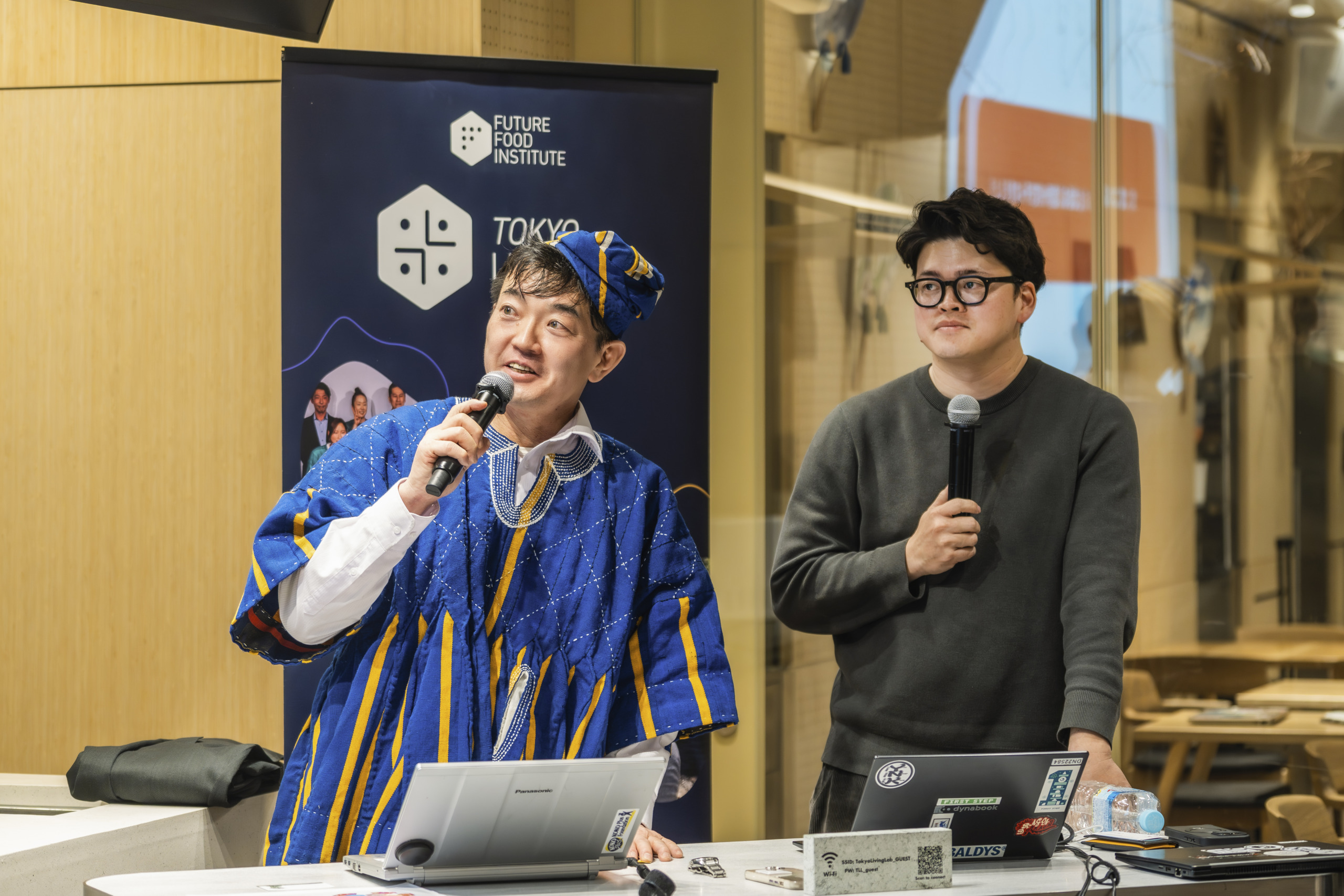
“Rather than keeping everything within a single organization, collaboration among industry, government, academia, and civil society can dramatically increase both the speed and the impact of a project. Today, it is estimated that many babies in Ghana are consuming this protein and micronutrient powder, and the Ghanaian government has even signed a memorandum of understanding to extend the public-private partnership agreement for the project from its original end date of 2025 through 2030. I believe that this kind of market-based cycle is what truly sustainable regeneration looks like,” Takahashi said.
Following Takahashi’s talk, participants divided into four groups for a workshop on Happy Regenerative Action in YNK. Drawing on Takahashi’s belief that a good project should create happiness for both oneself and others, each group developed concrete ideas for the Yaesu, Nihonbashi, and Kyobashi (YNK) area.
At the start of the workshop, Ayaka Onodera of the Future Food Institute (FFI) revisited several key ideas for designing regenerative projects. She emphasized the importance of adopting a mindset of sustainable prosperity, using regeneration and integral ecology as guiding principles, and building decision-making systems around decentralization and shared authority.
The discussion then moved through three simple steps: identifying an issue or theme that sparked their interest, imagining what kind of happiness the idea could create in the future, and deciding on a first action. As the session progressed, the groups became increasingly animated, exchanging ideas and building on one another’s perspectives.
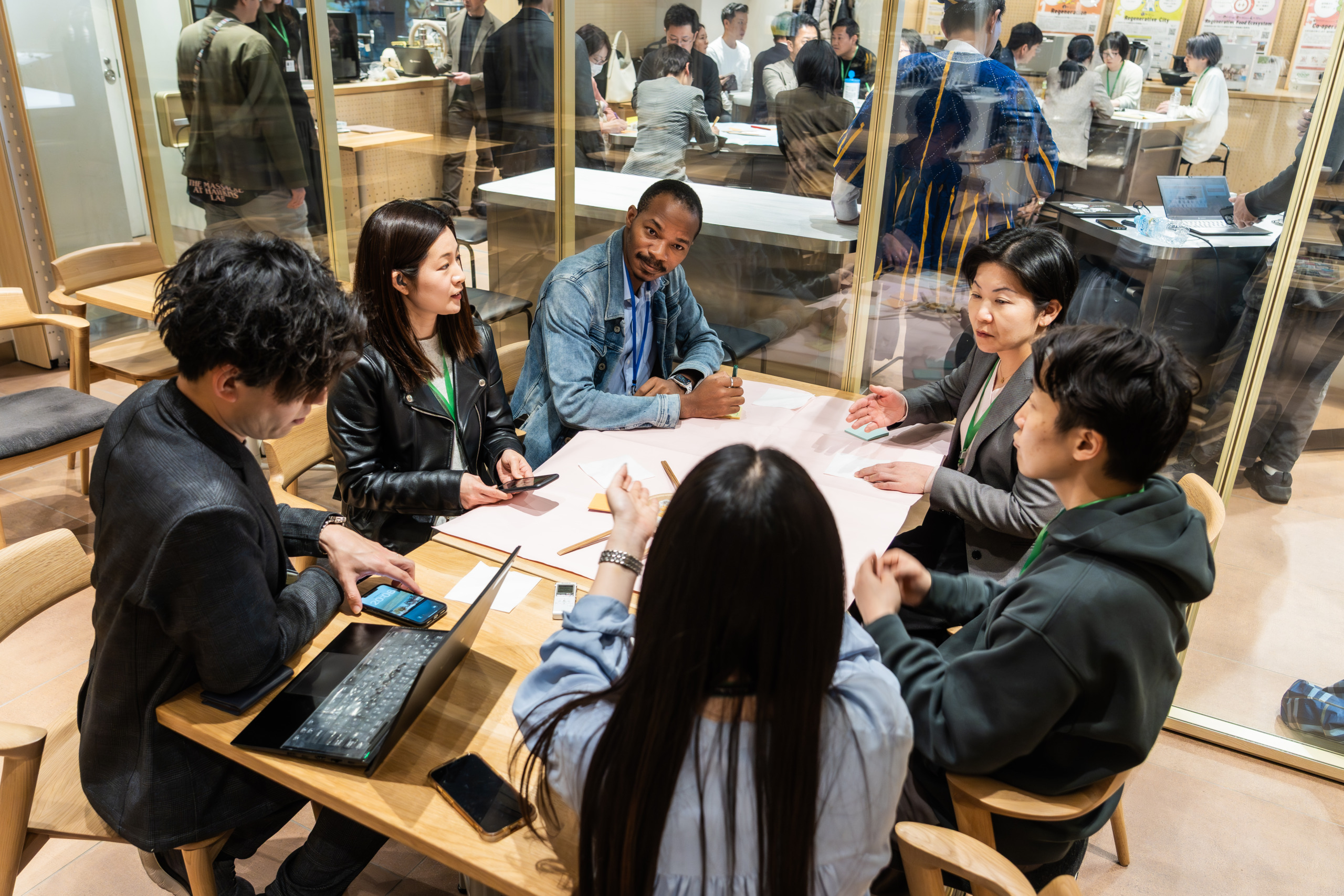
One team focused on the lack of places to sit in the YNK area and proposed reimagining the entire district as a “city of chairs.” Their idea was to turn the area into the stage for a large-scale game of musical chairs, with participants searching for chairs scattered throughout the neighborhood and competing to claim them. By deliberately adding an element of playful competition, the team hoped to create opportunities for strangers to interact with one another.
Another team drew inspiration from Nihonbashi’s history as a commercial hub that once welcomed people and goods from regions across Japan. They proposed a study tour program in which students from around the country would bring local products from their hometowns to Nihonbashi and introduce them directly to people working in the city. By sharing the stories and appeal of those products themselves, the students could build a sense of connection that might encourage people to buy them.
The idea went beyond a one-off event. The goal was to give younger generations a chance to experience the roots of commerce firsthand, while creating a positive cycle that directly connects regional economies with the city.
The third team identified another issue: the lack of meaningful connections between people. Their ideas included a sweet potato roasting event using fallen leaves from street trees, as well as a morning greeting campaign. The proposal—to regenerate both physical spaces and human connections at the same time—resonated strongly with the audience.
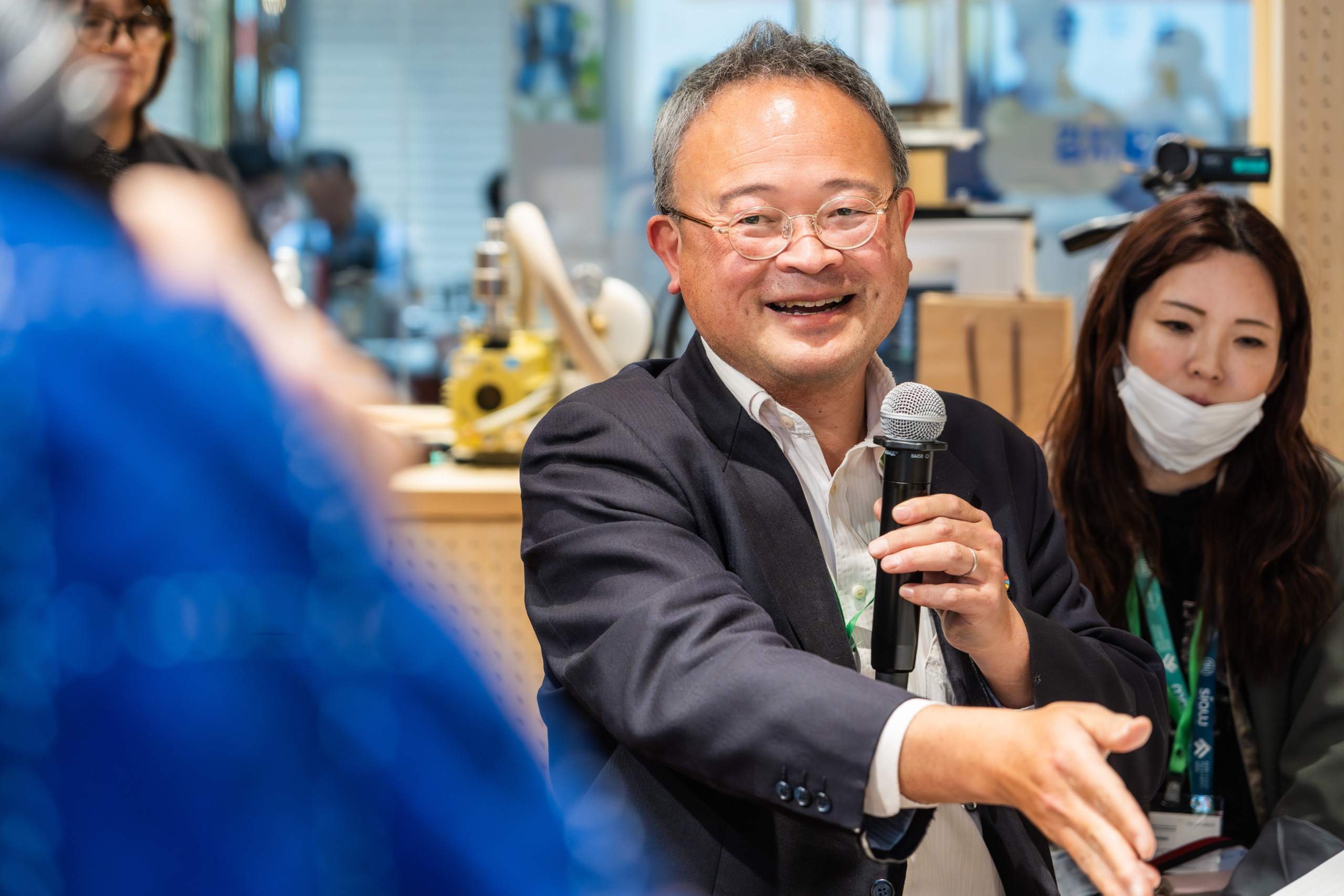
The session concluded with a networking opportunity between Takahashi and all the participants, filling the venue with lively conversation. The discussions themselves reflected the participants’ willingness to enjoy the process of imagining and developing regenerative projects.
Through his work in Japan and abroad, Takahashi has shown that even solutions to large-scale social challenges ultimately begin with a small spark of passion within each individual—a feeling of wanting to do something because it is exciting and meaningful to them. In the historic YNK area, even the spaces between redevelopment projects and the narrow streets and alleyways hold enormous potential for these small seeds of happiness to take root.
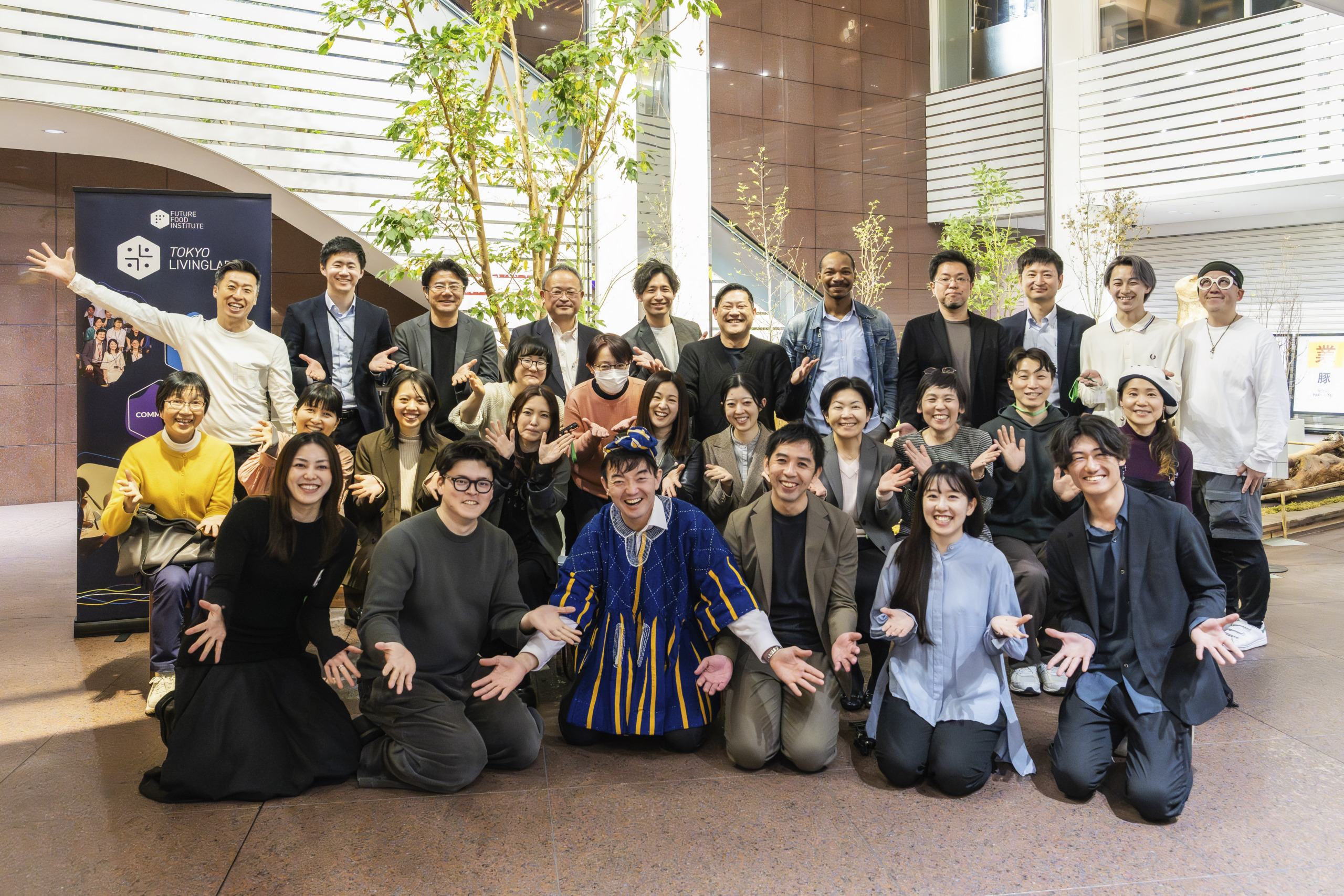
Text by Michi Sugahara / Photography by Shuji Goto / Materials provided by Yusuke Takahashi
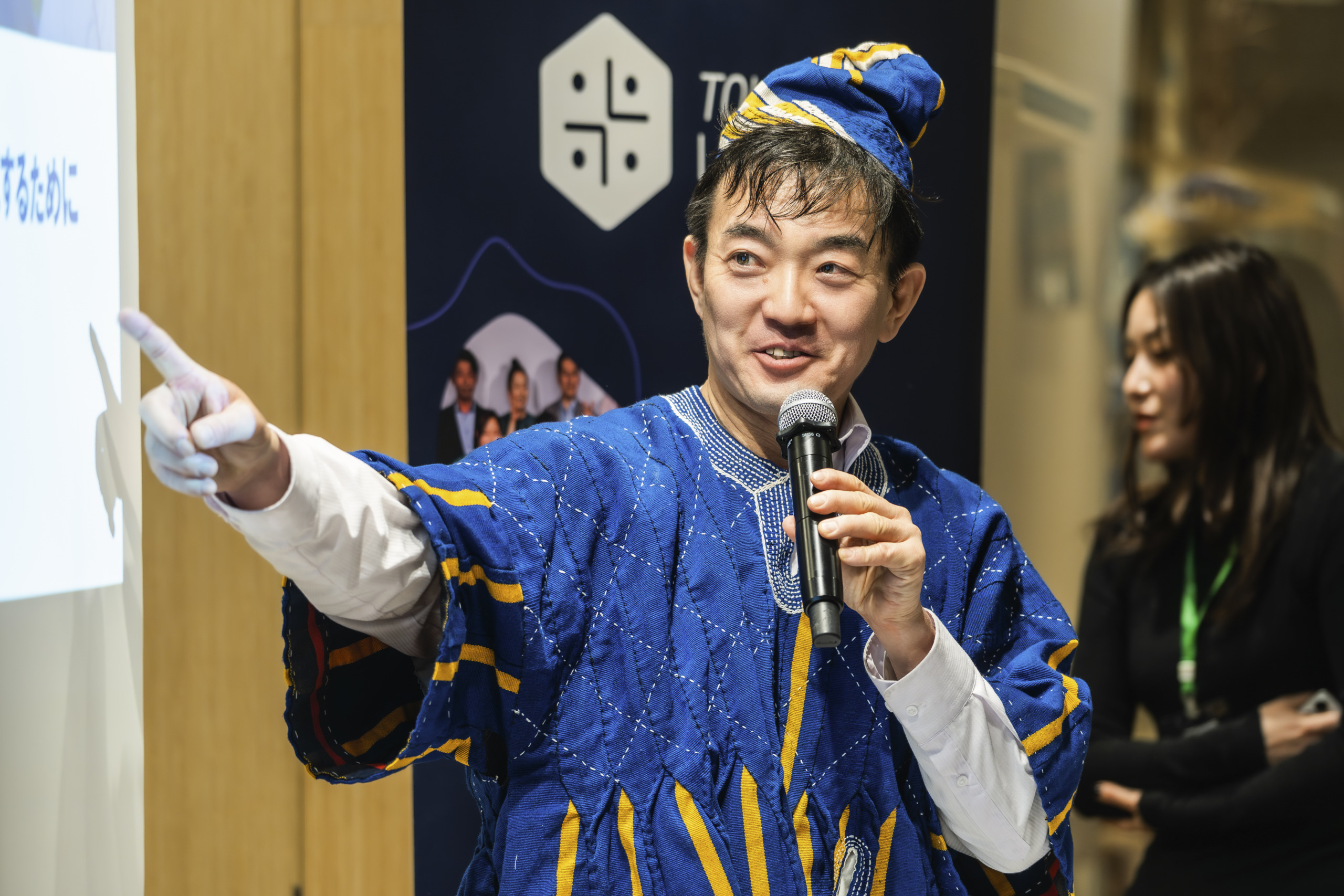
Takahashi holds a master’s degree from the Graduate School of Bioscience and Biotechnology at the Tokyo Institute of Technology (now the Institute of Science Tokyo). He also studied agricultural MOT (Management of Technology) at Saga University and earned an MBA from Hitotsubashi University. He is a certified Small and Medium Enterprise Management Consultant and describes himself as a “regenerative public-private co-creation practitioner.”
Takahashi has led a range of public-private initiatives, from community revitalization through Saga Sicilian Rice and a circular agriculture project using industrial byproducts in Kyushu, to Saga City’s Biomass Industrial City initiative and the Ghana Nutrition Improvement Project in partnership with the Ghanaian government. Through these efforts, he has expanded public-private collaboration from local communities in Japan to Ghana, pursuing projects that create both social and economic value. Looking ahead, he aims to expand these partnerships globally and address the challenge of reducing greenhouse gas emissions. Projects he has been involved in have received several honors, including a Japan SDGs Award, the Best Story Award at the Low Carbon Cup, and a Minister of the Environment Award for Global Warming Prevention Activities.