
A “10-Degree Shift” That Changes Everyday Life — Three Ways to Naturally Inspire Action 【Regenerative City Inspiration Talk Vol. 9 — Part 1】
On January 21, 2026, the ninth installment of the Regenerative City Inspiration Talk series was held at Tokyo Living Lab in Yaesu, Tokyo. The theme of the event was “Regeneration Begins in Everyday Life: Envisioning the Future of Cities Through Fun and Inspiration.”
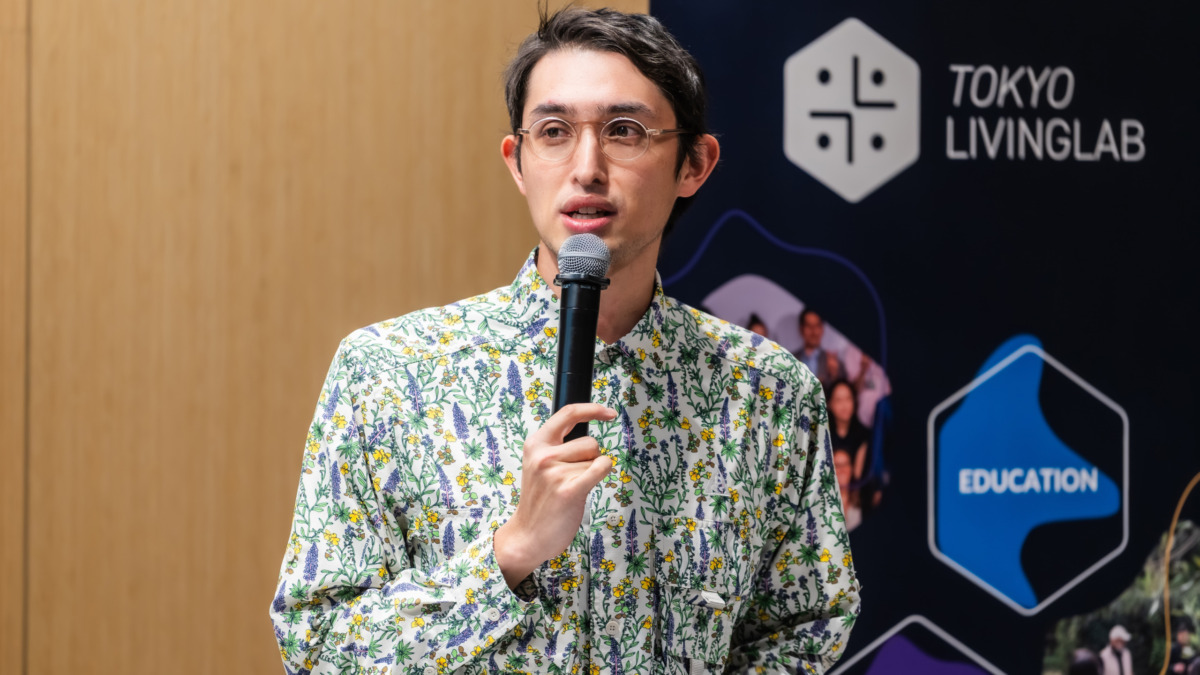
The guest speaker was Leo Kominz, founder and CEO of SEAMES Inc., who harnesses the power of art and entertainment to design experiences that inspire people to take action on social issues. The session explored a highly relatable yet creative question: How can we connect the things individuals love—and the moments that move them—to the regeneration of our cities?
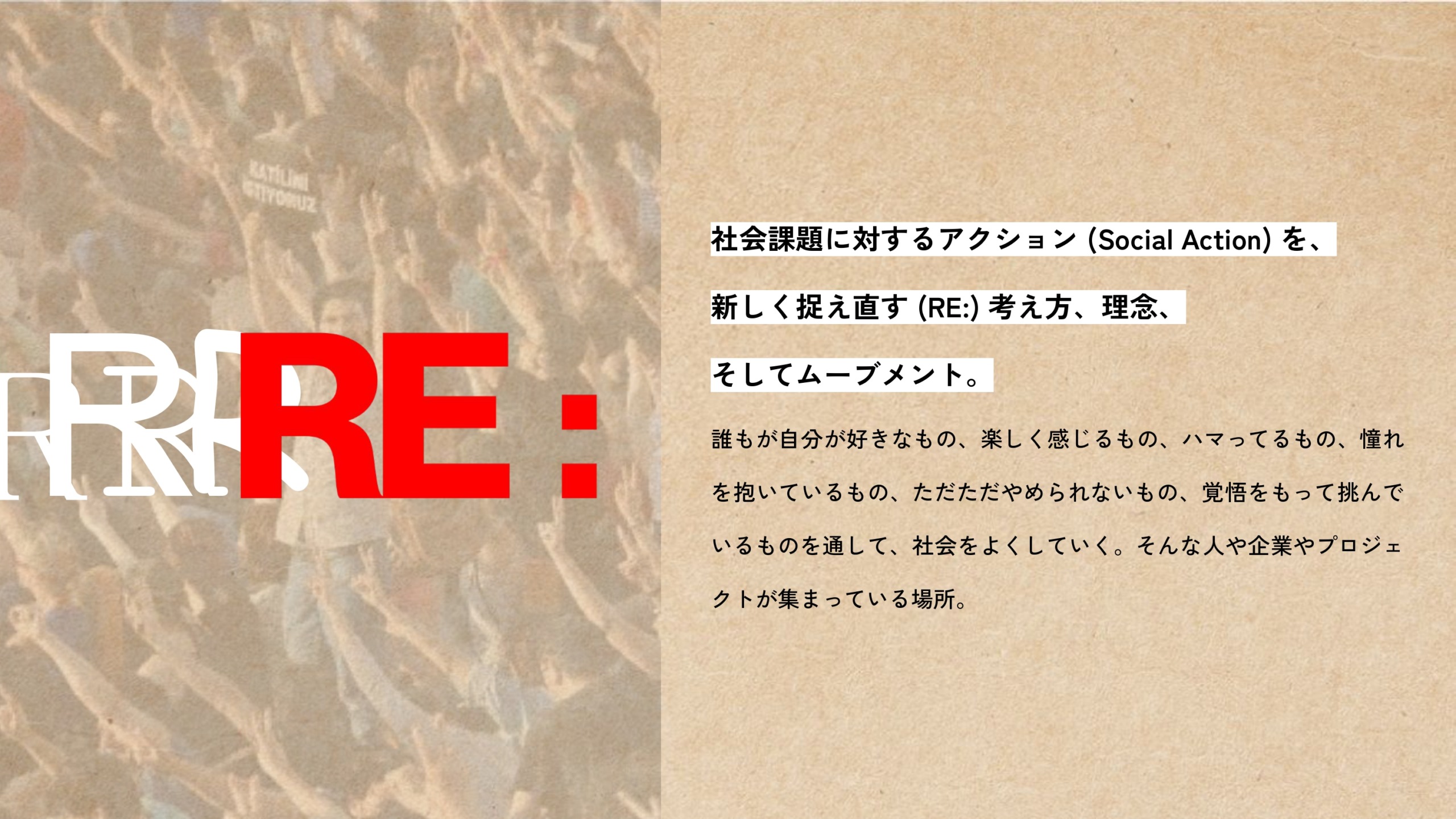
SEAMES Inc. is a creative company that designs and implements projects aimed at inspiring behavioral change around social issues through the power of art, media, and entertainment. Since its founding in 2019, the company has centered its work on the concept of “RE:ACTION,” transforming complex social issues into everyday action by connecting them with people’s curiosity and sense of what is interesting and engaging.
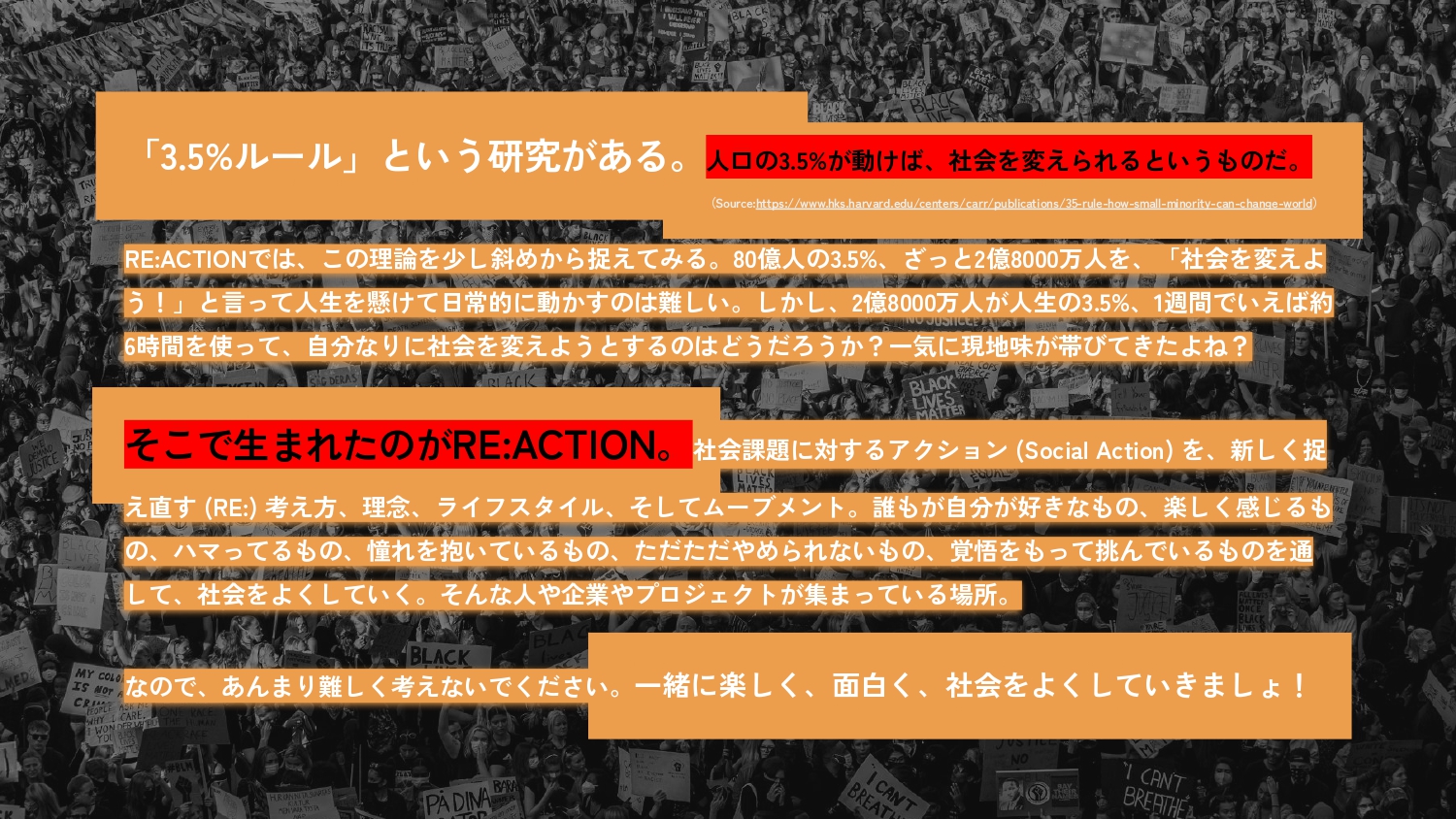
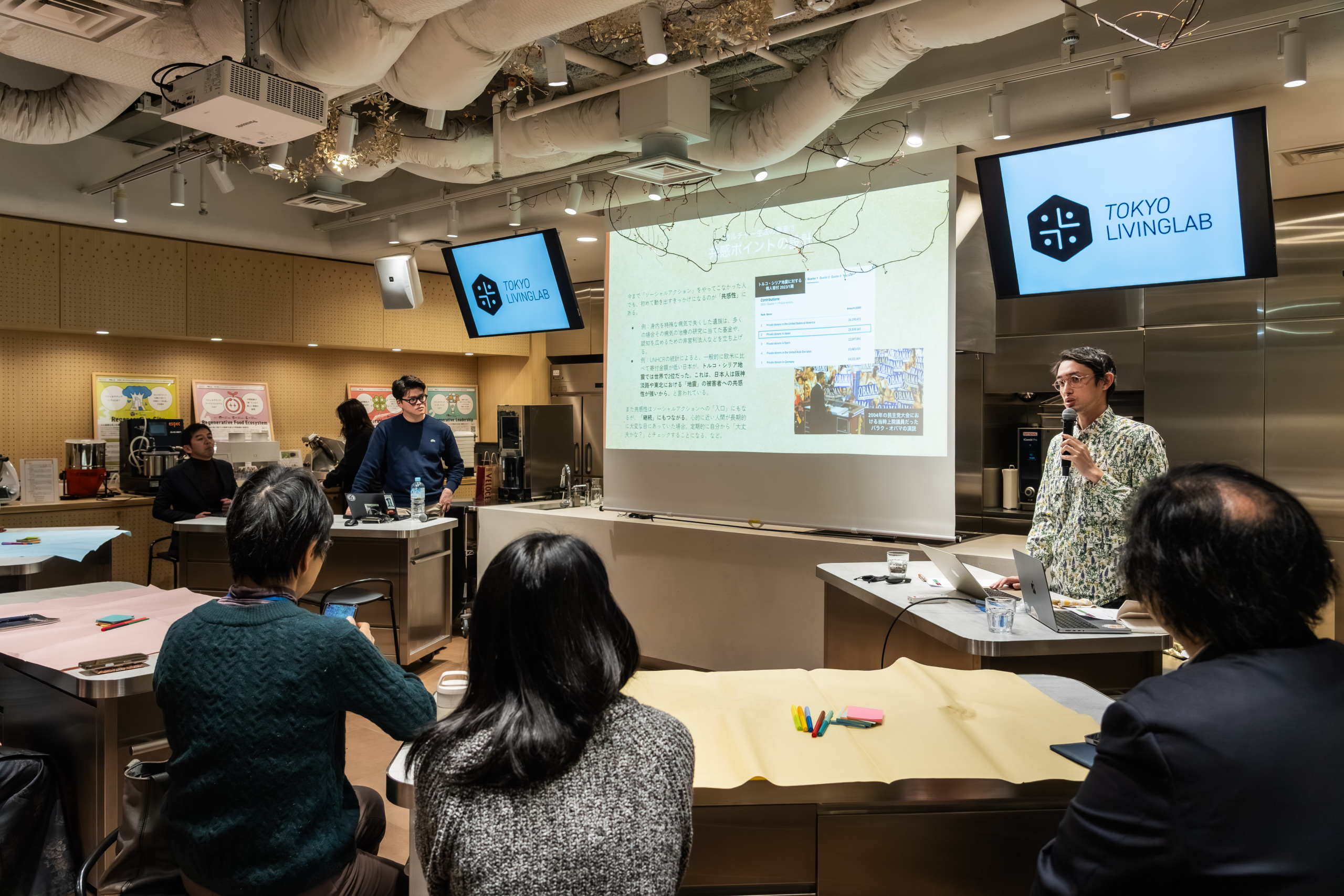
According to SEAMES CEO Leo Kominz, this approach is rooted in the “3.5% rule,” based on research from Harvard University. The theory holds that when 3.5% of the people in an organization or society begin taking action of their own accord, their enthusiasm spreads and eventually sets the wider community in motion. In a group of 1,000 people, for example, just 35 people taking concrete action could become a powerful force for social change.
Kominz has long advocated bringing this concept into everyday life by dedicating around six hours—3.5% of a week—to actions that combine something you love or enjoy with addressing a social issue. The idea is not to leave social change to a small number of professional activists, but for everyone to make such action part of their own lives. By doing so, he believes, we can create positive change throughout society.
Raised in Portland, Oregon, where regenerative living was part of the culture, Leo Kominz went on to work for a television station before founding SEAMES. Through his work, he has used the power of art and entertainment to transform engagement with social issues—often seen as something reserved for the highly socially conscious—into experiences that feel rewarding and enjoyable to each individual. Drawing on projects he has worked on, Kominz then explained the concrete process of inspiring people to take action.
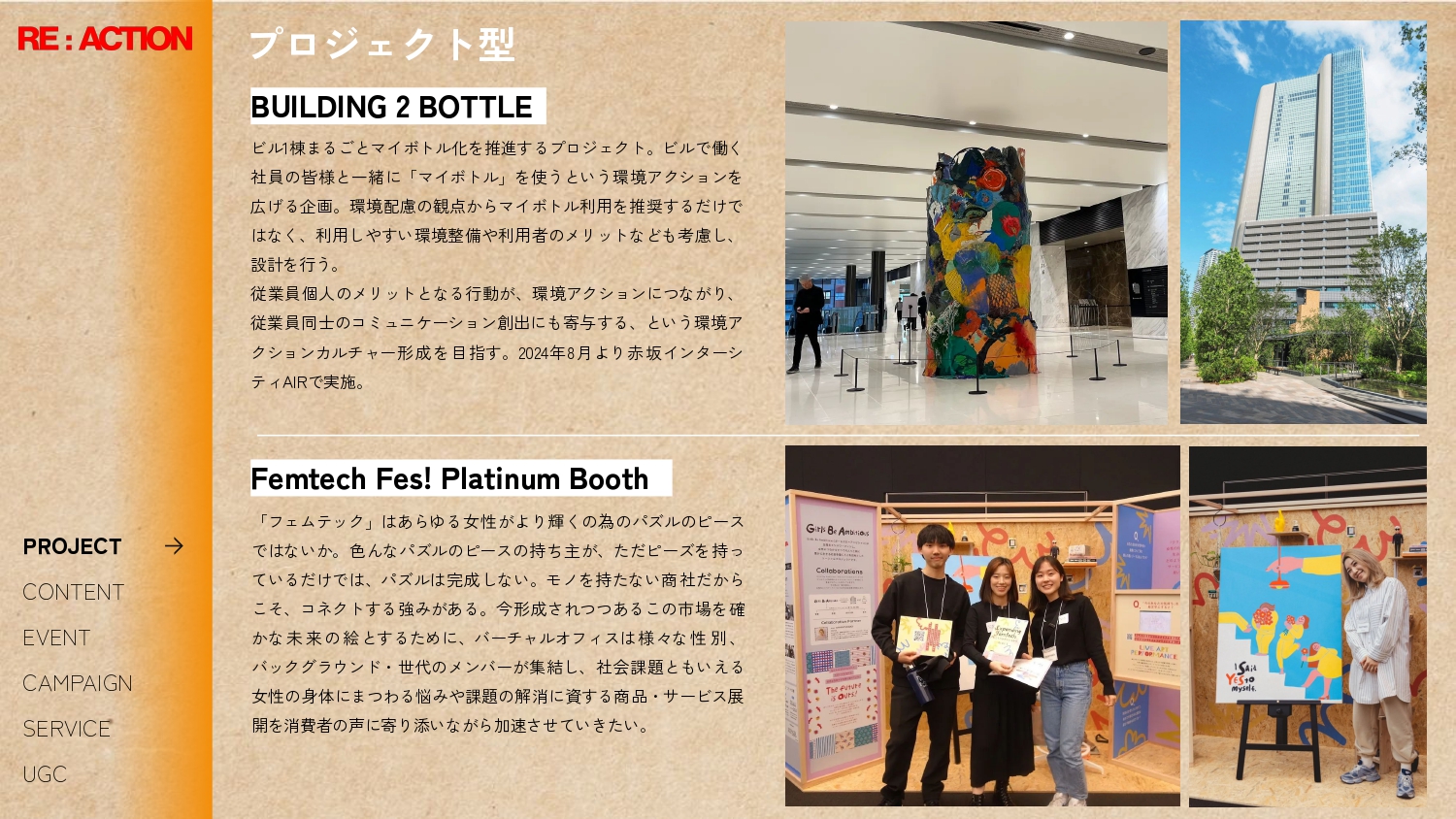
One example is BUILDING 2 BOTTLE, a project launched in response to Nippon Steel Kowa Real Estate’s desire to encourage more environmental action among people working at Akasaka Intercity AIR. The initiative brought together companies occupying offices in the building.
The project explored whether introducing Zojirushi’s reusable-bottle washing machines throughout the offices could change the way people worked and their everyday habits. SEAMES also designed and distributed original reusable bottles to encourage their use. At office furniture manufacturer Okamura, the bottle adoption rate rose from around 7% at the outset to more than 40% by the end of the project. As younger employees began decorating and personalizing their bottles, older colleagues saw how much fun they were having and joined in one after another. In this way, the initiative gradually spread throughout the company.
BUILDING 2 BOTTLE also demonstrated that the initiative could reduce plastic-bottle waste by approximately 300 kilograms per floor per year—equivalent to one-third of each floor’s annual plastic-bottle consumption. To make this impact visible, an artwork inspired by marine debris was displayed in the building’s foyer for a limited time. The installation encouraged the approximately 7,500 employees who came to work there to think more deeply about the impact of choosing not to buy plastic bottles and about the broader issue of marine plastic pollution. By extending the initiative beyond the project itself and incorporating the power of art, SEAMES gradually began to shift employees’ awareness.
SEAMES has also launched a YouTube channel as part of its “RE:CLIMATE” project, featuring a growing lineup of popular comedians in original videos. One such video, starring Nishida of the comedy duo Laland, is titled “Lose ¥1,000 Every Time You Touch Plastic!? Laland’s Nishida Takes on Plastic-Free Living for the First Time.” Despite running nearly 30 minutes, the video has attracted close to 100,000 views. By visually revealing just how much plastic surrounds us in everyday life, it succeeded in engaging and entertaining even those with little prior interest in sustainability.
Kominz describes taking action on social issues as being much like working out or waking up early: “You do not absolutely have to do it, but you feel better when you do.” The same is true of regenerative activities. Even when people understand intellectually that they should take part, overcoming the tendency to do nothing is not easy. To help people cross that threshold, SEAMES focuses on three key principles when designing opportunities for action.
- An accessible entry point (broadening participation): Rather than setting a high bar from the outset, create an accessible entry point that anyone can engage with casually. One example is the emergence of glamping, which lowered many of the psychological and practical barriers traditionally associated with camping.
- An enjoyable, shareable experience (sustaining engagement): The experience itself should be enjoyable and offer a physical sense of excitement or satisfaction that can be shared with others. The Ice Bucket Challenge, which became a social media phenomenon, is one example.
- A personal connection (connecting the issue to everyday life): The action should connect with an issue that feels close to the individual or someone they care about. For example, people in Japan who have experienced a major earthquake may be more likely to donate or take other action when another earthquake strikes.
SEAMES has also launched “RE:UNIVERSE,” a series of projects that brings these design principles to life for individuals. “Compared with large-scale B2B projects undertaken with companies, these initiatives are not particularly profitable—but they may actually be more important,” says Kominz. Through RE:UNIVERSE, young members of SEAMES and students take the lead in developing their own projects, giving rise to a growing number of unique initiatives that combine the things they love with social issues.
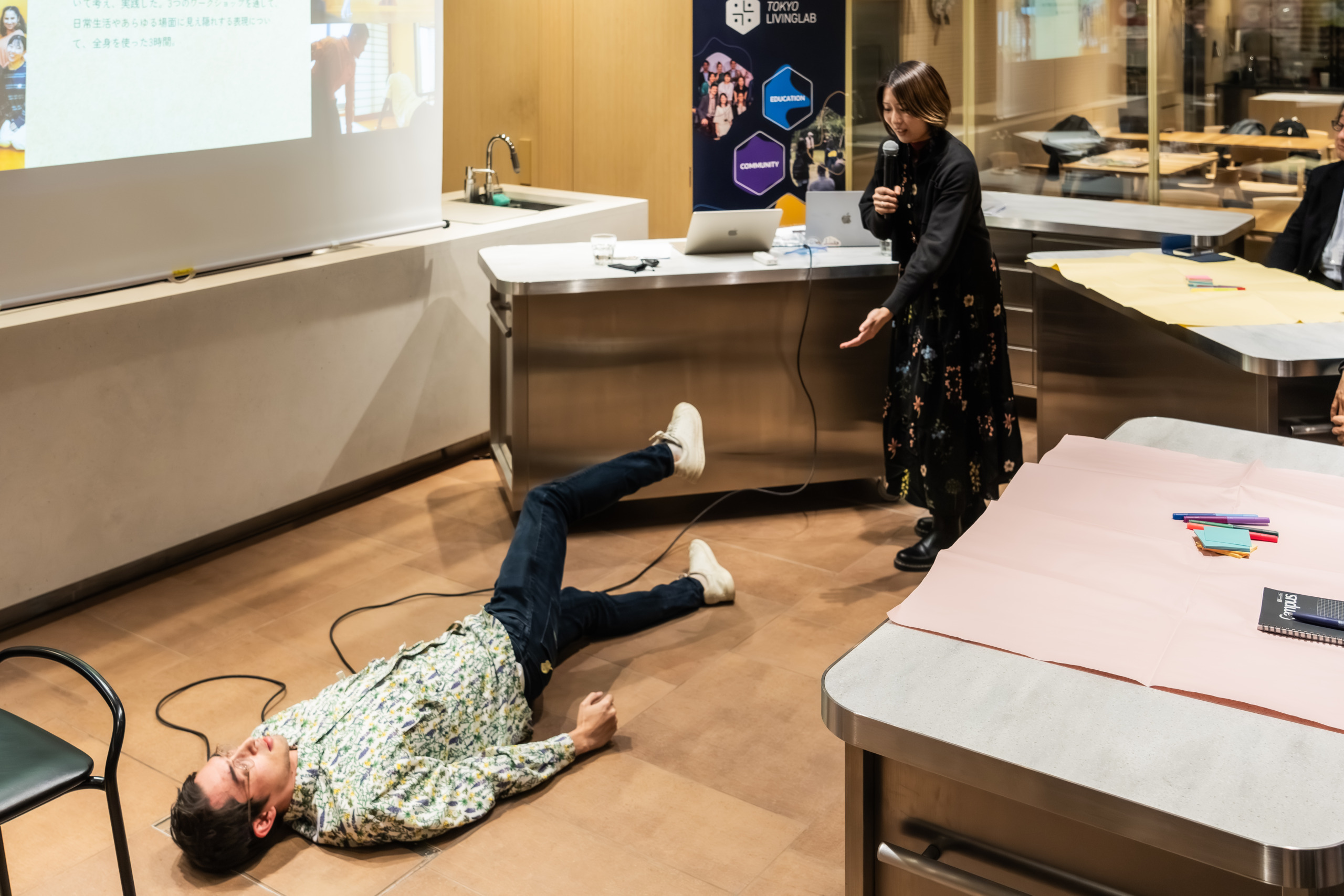
The key lies in redesigning existing forms of entertainment by shifting their original purpose by “10 degrees.” Projects such as RE:MAHJONG, in which winning with a designated mahjong tile requires players to plant a tree; RE:KARAOKE, where participants can sing only songs related to social issues; and RE:BODY, which allows people to experience communication barriers through physical movement, all add a subtle “10-degree shift” to existing forms of entertainment. In doing so, they have transformed people who may never have thought about social issues into active participants. This is the SEAMES approach: embedding questions about society within fun, memorable experiences that people cannot help but share with others.
In the first part, Leo Kominz introduced the SEAMES approach to transforming social issues into engaging experiences, centered on the “3.5% rule” and the design principle of shifting things by “10 degrees.” In this second part, participants put these ideas into practice through a hands-on workshop. From café hopping and journaling to a passion for idols, we follow how the things they love began to grow into the seeds of regenerative projects.
Written by Michi Sugahara / Photographs by Shuji Goto
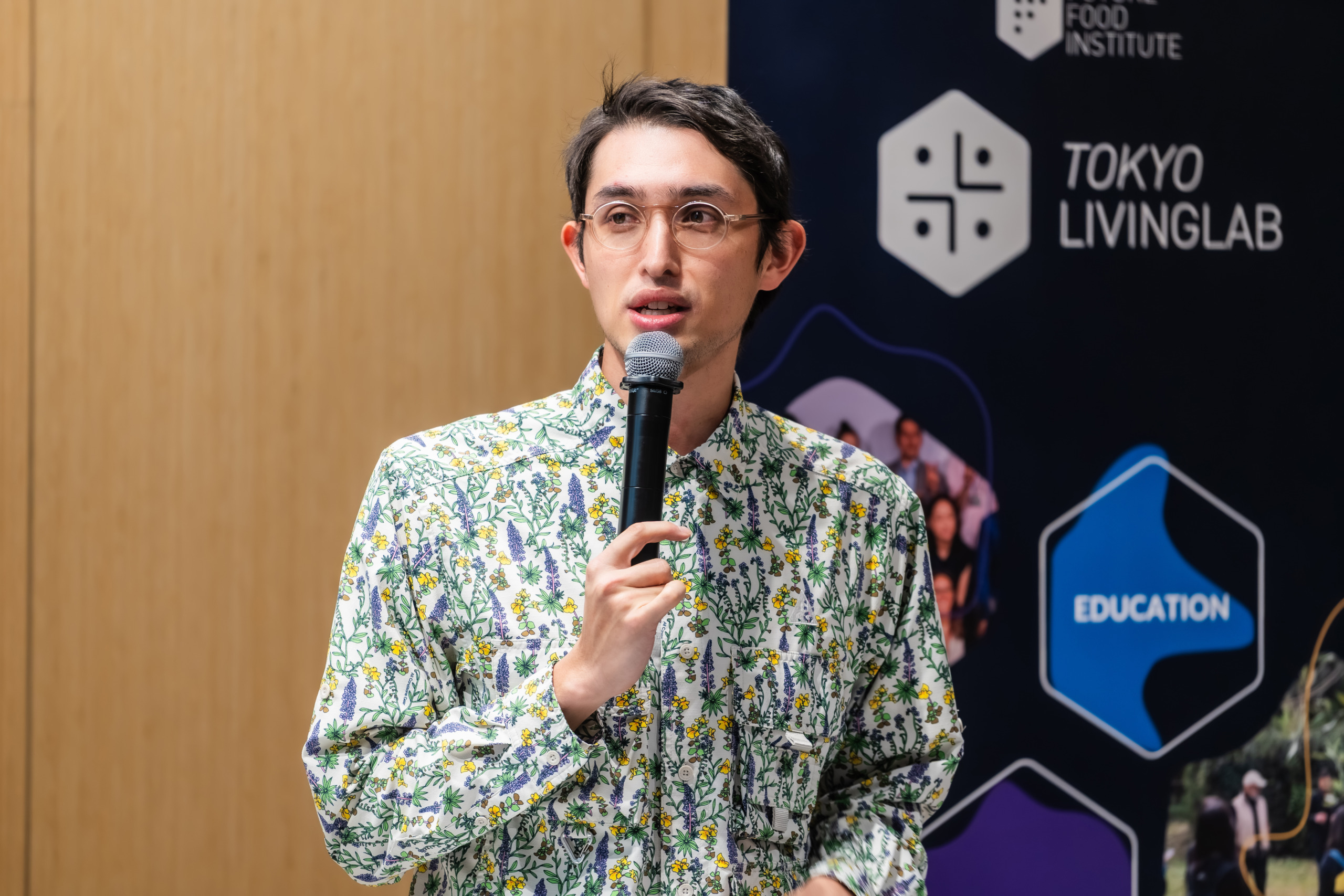
Born in Oregon, USA. While at university, Kominz founded and operated a music recording studio exclusively for college students. After working at a television station, he launched “World in Twelve,” a project in which he spent one month in each of 12 cities around the world, asking everyone he met the same 12 questions. In 2019, he founded SEAMES, a company that designs and implements projects aimed at inspiring behavioral change around social issues through the power of art, media, and entertainment. Curiosity is what drives him every day, and he is a self-professed obsessive enthusiast across an extraordinarily wide range of subjects.